






 Portuguese
  Spanish



After 12 Years of Silence, the Colossal Kashiwazaki-Kariwa Power Plant Returns to the Game with Enhanced Safety, Seven Gigantic Reactors, and Enough Power to Supply 16 Million Homes
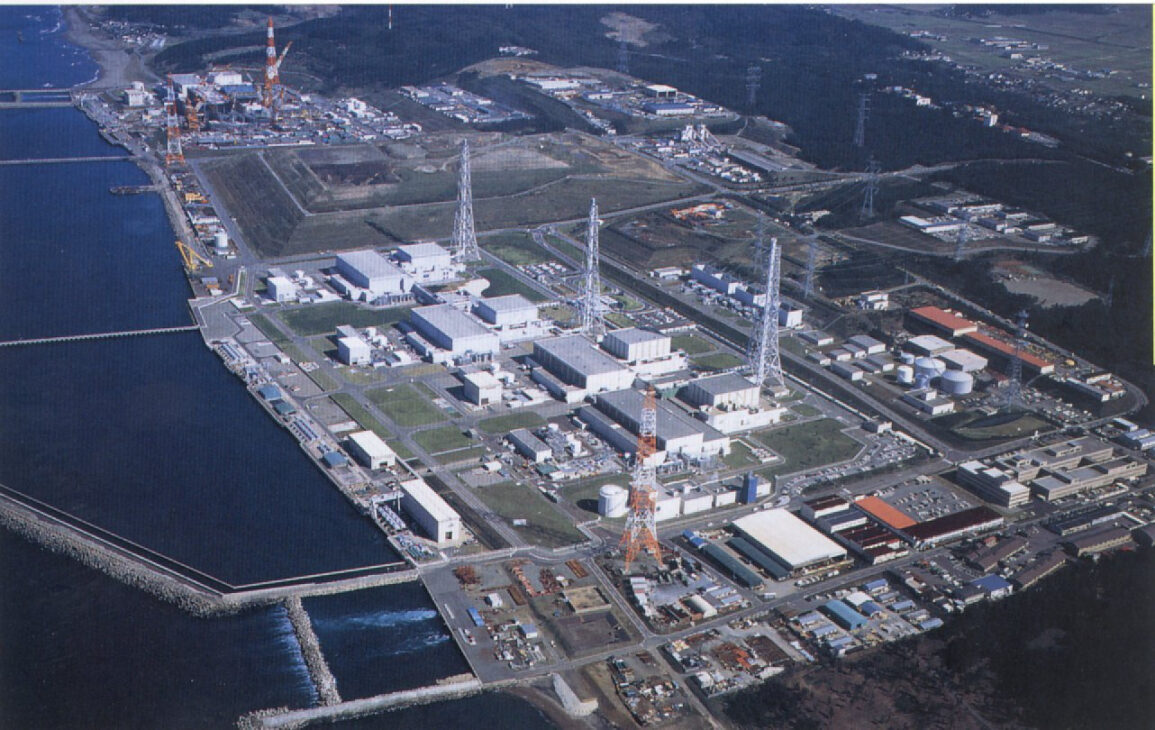
Imagine a single power plant with enough power to supply more than 16 million homes at the same time. This is the power of Kashiwazaki-Kariwa, the Japanese nuclear colossus that is about to restart operations after more than a decade of downtime. With its 7 boiling water reactors and an installed capacity of 8,200 megawatts electric (MWe), this plant is not only the largest in Japan — it is the largest in the world in continuous nuclear production. And now, all signs point to it roaring again.
What Is Kashiwazaki-Kariwa and Why Was It Shut Down?
Located in the quiet city of Niigata, north of Tokyo, this massive facility is operated by Tokyo Electric Power Company (TEPCO), the same company responsible for the Fukushima Daiichi plant. After the 2011 disaster, which deeply impacted the Japanese public’s trust in nuclear energy, the NRA (Nuclear Regulatory Authority of Japan) suspended Kashiwazaki-Kariwa’s operating license.
Since then, the plant has become a symbol of the stalemate between Japan’s energy needs and the trauma of an accident that still resonates in collective memory. The facility has remained untouched, with its reactors silenced — but not forgotten.
-
Award-Winning Japanese Restaurant Reveals It Has Preserved Part of the Same Frying Oil for 66 Years

-
American Youth Transforms from Severe Obesity to U.S. Air Force Enlistment, Losing 90 Kilograms in Two Years
-
11-Year-Old Entrepreneur Sells 60 Homemade Sweets Daily, Mastering Cost Calculation, Social Media Promotion, and Client Negotiation Since Age 7

-
Peruvian Mountain’s 5,200 Aligned Holes May Unveil Ancient Indigenous Market for Corn and Cotton


Maximum Safety: Inspections and New Rules
In December 2023, an important milestone was reached: the NRA officially lifted the ban preventing the return to operations, after more than 4,000 hours of technical inspections of the facilities. TEPCO demonstrated that it has completely restructured its safety systems, with structural reinforcements, updated emergency protocols, and more modern cooling and containment technologies.
According to the NRA itself, the new guidelines incorporate direct lessons from the Fukushima disaster. A report published by the Nuclear Safety Authority confirms that the plant has received upgrades consistent with international standards.
Why Does Japan Need Nuclear Energy Back?
Japan faces a challenging equation: high energy demand, few fossil resources, and strict climate goals. Since 2011, the country has had to import large volumes of natural gas and coal to maintain its energy matrix. The consequence? Higher electricity bills and increased carbon emissions.
According to data from the International Energy Agency, Japan is seeking to diversify its energy sources with a focus on renewables and nuclear power, considered by the government a reliable and low-carbon alternative.
In April 2023, the Japanese Parliament approved new legislation that allows for the extension of the operational life of nuclear power plants beyond 60 years, as long as they are proven safe. This unlocks a series of reactors that had been idle, including the imposing Kashiwazaki-Kariwa complex.
Alert Status in Niigata: Who Gives the Final Word?
Despite federal approval, the resumption of operations still depends on the green light from the regional government of Niigata, which is responsible for the final assessment of the safety and evacuation plan in the event of an emergency. The decision, however, seems to be only a formality. According to the Japanese newspaper The Asahi Shimbun, local authorities have shown a collaborative stance towards reactivation, especially in light of TEPCO’s promise to invest in community measures and educational programs about nuclear energy.
Meanwhile, the company has already begun the process of refueling the reactors, requesting permission to insert the fuel rods again, a stage that marks the effective start of reactivation.


What Is 8,200 MWe in Practice?
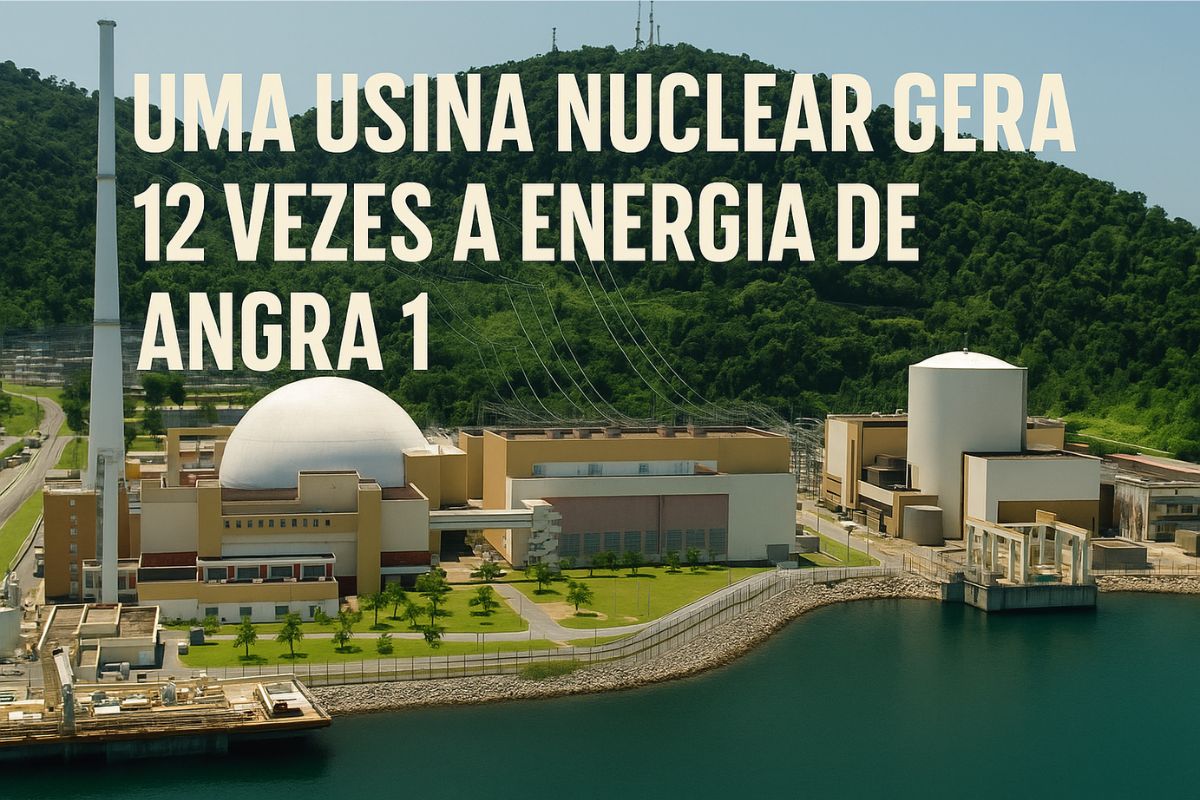
To give an idea of the scale of the return: Angra 1, the Brazilian nuclear power plant, generates about 640 MWe. The Japanese plant is equivalent to more than 12 times that. In comparison with hydroelectric plants, Kashiwazaki-Kariwa is almost as powerful as Itaipu, which has 14,000 MW installed, but shares its production with Paraguay.
The Japanese Nuclear Reconciliation Is Just Beginning
With 12 reactors currently operational, 2 under construction, and another 27 ready for technical evaluation, Japan seems to be rediscovering its path in nuclear energy. The new scenario points to a hybrid era, where atomic energy — now safer — shares prominence with solar, wind, and hydrogen.
As the Minister of Industry, Yasutoshi Nishimura, stated in an interview with NHK News:
“Nuclear energy is no longer a taboo, but a necessity. We have a duty to use what we have responsibly, safely, and transparently.”
The reactivation of the largest power plant on the planet is not just a technical decision. It is a symbolic gesture that Japan wants to reclaim its place in the global energy debate — responsibly, but without fear.


