Portuguese
  Spanish


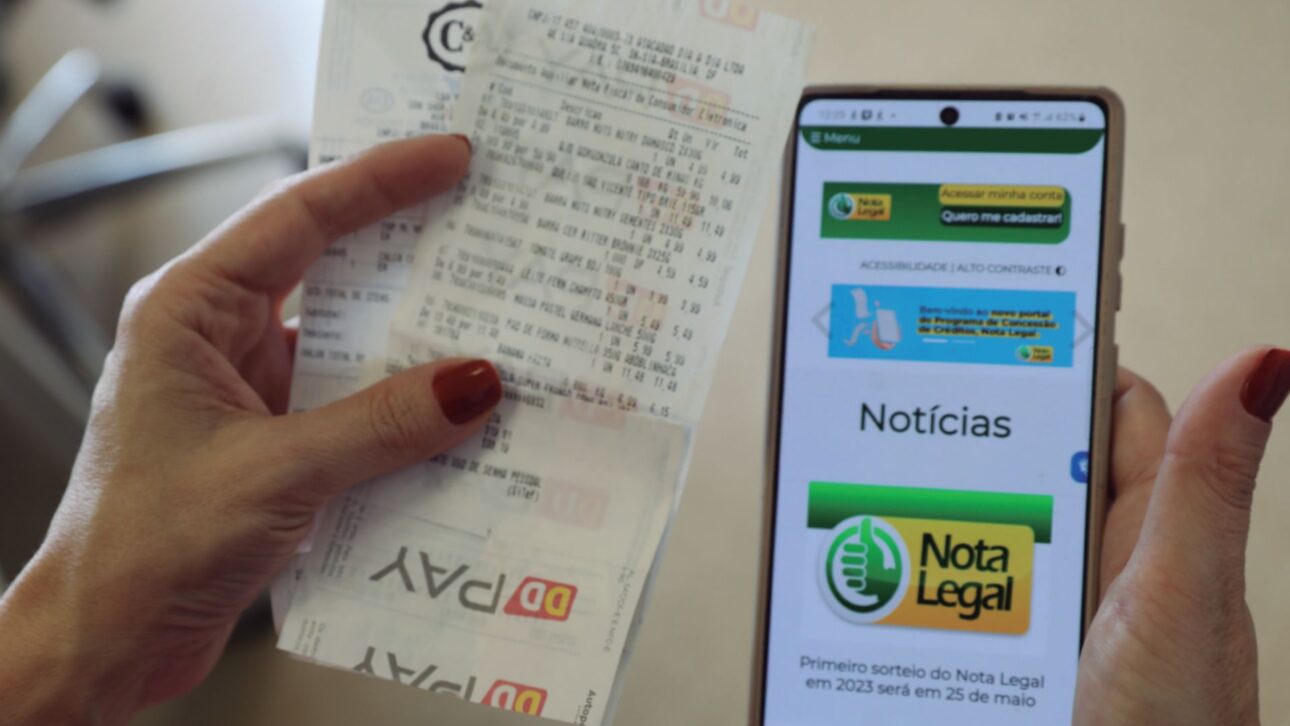
The receipt was issued in October 2025 during a purchase of R$ 6.50 in the Federal District. The CPF on the receipt entered the Nota Legal draw and the man from Vicente Pires won R$ 50,000 tax-free, announced on May 20, 2026.
It was a quick stop at the supermarket. The kind of purchase that doesn’t even appear prominently on the card statement: R$ 6.50. The resident of Vicente Pires, in the Federal District, asked for the CPF on the receipt out of habit, picked up the groceries, and left. Months later, on May 20, 2026, the Federal District’s Department of Economy announced the results of the Nota Legal draw. His name was on the list of winners. The prize: R$ 50,000, tax-free, deposited directly into the account.
The winning receipt had been issued in October 2025. Between the R$ 6.50 purchase and receiving the prize, the consumer didn’t need to do anything else. He didn’t keep the receipt, didn’t contact any agency, didn’t fill out a form. The CPF on the receipt did the work on its own.
How a draw distributed R$ 3.5 million in a single day
The Federal District’s Department of Economy, responsible for the program, distributed R$ 3.5 million in prizes in total. The draw awarded winners in various administrative regions of the DF, with amounts ranging from R$ 50,000 to R$ 1 million.
-
Thailand Converts 8 Tons of PET Bottles into 3,500 School Backpacks, Showcasing Circular Economy with Over 40 Factories Involved

-
Mysterious Bats Spotted in Paris’s Père Lachaise Cemetery, Drawing Tourists to the “Vampire Cemetery”

-
From Selling Street Food to Leading a $300 Million Construction Firm: The Journey of a Brazilian Entrepreneur

-
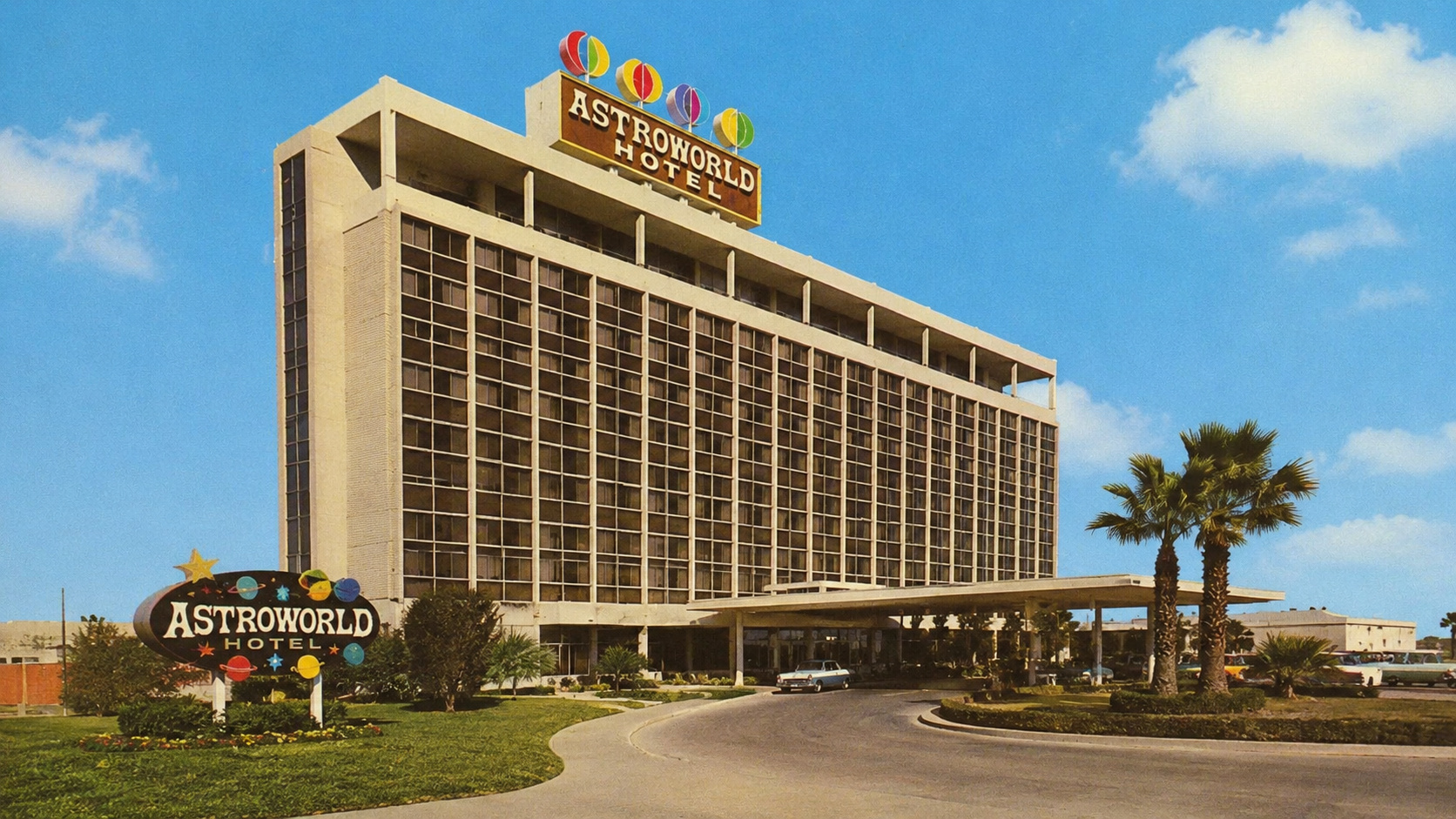
Abandoned Penthouse in Houston Reveals Million-Dollar Suite with 24-Karat Gold, Tiffany Crystals, and Opulence Even Elvis Might Have Snubbed



The biggest prize of the edition was R$ 1 million, won by a resident of Samambaia whose winning receipt was issued during a purchase of R$ 43.58. Two prizes of R$ 200,000 went to residents of Asa Norte. Three prizes of R$ 100,000 awarded consumers from Sudoeste, Taguatinga, and Ceilândia Sul. The four R$ 50,000 prizes went to residents of Vicente Pires, Planaltina, Asa Norte, and Sobradinho. In all these stories there is a common denominator: someone asked for the CPF on the receipt in a regular purchase and ended up being drawn.
What is Nota Legal and how does the CPF on the receipt enter the draw
The Nota Legal is a fiscal citizenship program of the government of the Federal District. The operation is straightforward: the consumer requests the CPF on the invoice for any purchase, and the program returns up to 30% of the ICMS and ISS collected in that transaction. Part of this amount returns as credit to reduce IPTU or IPVA. Another part enters the periodic lottery system.
There is no need to register specifically for each purchase. Just have an active CPF and request the number on the invoice. The system automatically accumulates the invoices issued with that CPF and converts them into tickets for the lotteries. The more purchases with CPF on the invoice, the more tickets. But as the case of R$ 6.50 practically showed, it’s not even necessary to accumulate much to be rewarded.
How to know if you have been awarded
Participants of Nota Legal can check the result in two ways: through the program’s official portal or the mobile app. Those who are drawn receive an email with instructions to indicate the bank account where the amount will be deposited. The prize is transferred directly to the informed account, without the need to visit any agency or counter.
It is worth remembering that the program is restricted to the Federal District, but several Brazilian states have similar initiatives with different names. The logic is the same in all of them: the consumer who requests the CPF on the invoice contributes to tax oversight and, in return, receives benefits ranging from tax credits to cash prizes.
The habit that most have but rarely use
Requesting the CPF on the invoice is one of the most talked-about and least practiced behaviors in Brazil. Most people already know they can request it, have heard about the benefit programs, and have intended to adopt the habit. But in the rush at the checkout, between one line and another, the question disappears. The resident of Vicente Pires did not have this oversight. And R$ 50,000 later, it’s hard to argue that the habit isn’t worth the second it takes to ask.
The case is not an unlikely exception. With each edition of Nota Legal, dozens of consumers are rewarded for simple purchases made on dates that were already distant memories. The R$ 6.50 invoice issued in October 2025 rewarded in May 2026 is just the most recent example of something that happens regularly for those who keep the habit active. The question that remains is not whether it’s worth asking. It’s why so many people still don’t ask.
The report was published on May 20, 2026, by ND Mais, signed by Lídia Gabriella.
Do you request CPF on the invoice in your daily purchases or only remember when the attendant asks? Tell us in the comments.