Portuguese
  Spanish


Professor Thales Nascimento, from Serrinha, Bahia, gathered high school students from a public school to create a sustainable biocement made with recycled paper and coconut fiber. After more than a year of testing, the group developed low-cost sidewalk blocks that have already received certification from CREA-BA. According to G1, the project won the LED Award from TV Globo and the Roberto Marinho Foundation among more than 2,300 entries and received R$ 200,000 to transform the biocement into a startup with an estimated production of a thousand blocks per day.
A math and entrepreneurship teacher with no engineering background created a biocement from waste in the interior of Bahia. Thales Nascimento, who teaches at a public school in Serrinha, 180 kilometers from Salvador, gathered high school students to transform discarded paper and coconut fiber, materials abundant in the city, into construction blocks for low-cost sidewalks. The biocement emerged from a practical concern: how to transform waste into something useful for the community, and after more than a year of testing with mixtures and techniques studied on their own, the group arrived at a product that already has certification from CREA-BA.
The recognition came on a national scale. The project won the LED Award, Light in Education, an initiative by TV Globo and the Roberto Marinho Foundation that rewards innovative projects in Brazilian education. Among more than 2,300 entries in this year’s edition, Thales was the winner in the Educators category and received R$ 200,000 to structure a startup from the biocement developed with the students. The goal is to purchase machinery and start commercial-scale production of approximately a thousand blocks per day.
How public school students created the biocement

The process of creating the biocement did not follow any engineering manual. Thales and his students studied on their own the functioning of machines, mixtures, and civil construction techniques, testing combinations of recycled paper and coconut fiber until they found a formula that produced blocks strong enough to pave sidewalks. “Not every dream starts off right. The first blocks weren’t good, but we learned in the process,” the teacher said about the months of trial and error.
-
Spain Launches World’s Largest Floating Dry Dock: 56-Meter Giant Produces Massive Concrete Structures in A Coruña Using Technology Proven in Brazil

-
AI-powered toys that talk, recognize faces, and collect data face scrutiny from Brazilian government over children’s privacy concerns

-
4,000-Year-Old Child’s Skull Unveils Ancient Burial in 7,500-Year-Old Norwegian Rock Shelter, Impressing Archaeologists

-
Norway Defeats Brazil in World Cup but Invests Billions to Preserve the Amazon, Strengthens Amazon Fund, and Joins Brazil in Leading Global Effort Against Tropical Deforestation
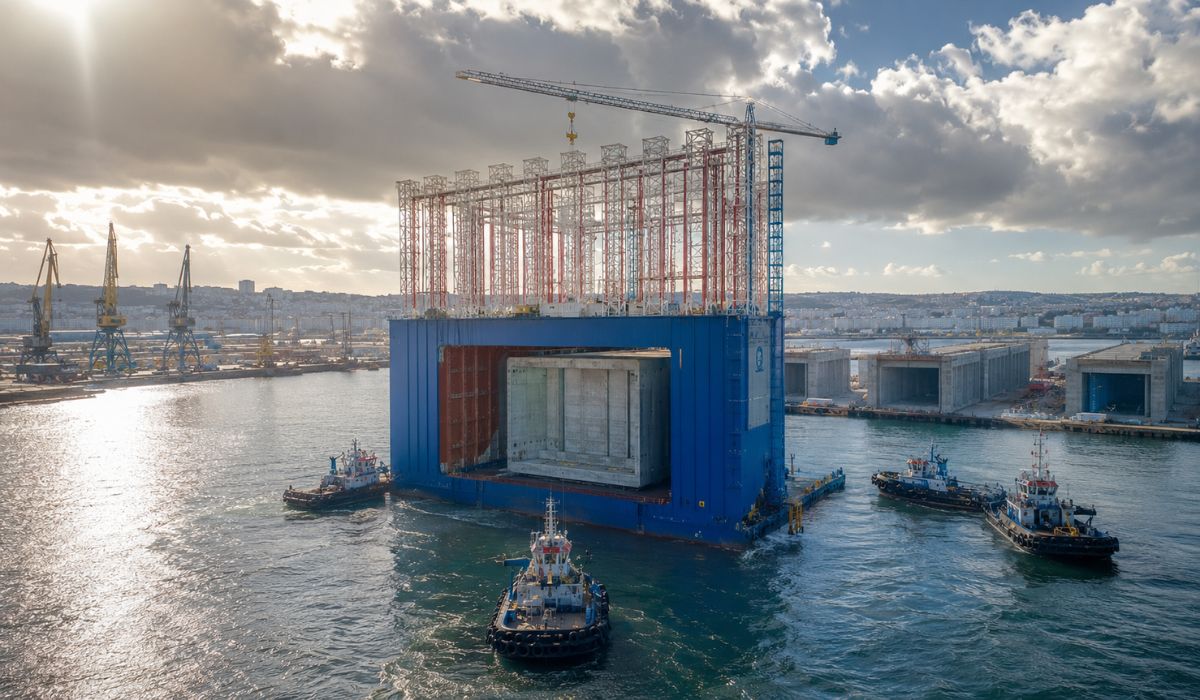



The recycled paper and coconut fiber are materials that in Serrinha would normally be discarded. The city generates a constant volume of both, and using them as raw materials for biocement simultaneously solves two problems: reduces waste and produces an affordable construction material. The certification from CREA-BA technically validated the product, paving the way for the biocement blocks to be used in real constructions.
The free sidewalks and the impact on the community
The biocement has already left the school laboratory and reached the streets of Serrinha. Two families in the community received sidewalks produced for free by the project, practically demonstrating that the blocks withstand real use and resist the climatic conditions of the semi-arid region of Bahia.
The repercussion made residents start donating raw materials to the school and seeking the team to understand how they could participate in the initiative. The biocement also began to be used in resocialization actions within the regional prison system, expanding the social impact of the project beyond the school walls. For Thales, “we are proving that within the public school there are students discovering their potential and expressing it.”
The R$ 200,000 prize that turned biocement into a startup
The LED Award received more than 2.3 thousand entries of educational projects from all over Brazil. The victory of Serrinha’s biocement in the Educators category earned R$ 200 thousand, which will be invested in purchasing machinery, structuring the company, and starting production on a commercial scale. The expectation is to manufacture about a thousand blocks per day in the first phase.
The startup, named Biocimento do Sertão, already has a visual identity, social networks, and contact structure to receive orders. The challenge now is to scale production without losing the essence of the project: using local raw materials, generating employment in the community, and keeping prices affordable for low-income populations that need basic paving in their neighborhoods.
What biocement teaches about innovation in Brazil
The story of Thales and his students dismantles the idea that innovation requires expensive laboratories, top-notch academic training, and million-dollar investments. The biocement was born in a public school in the interior of Bahia, with old paper and coconut husk, created by a math teacher and high school students who had never entered a block factory before.
The project also demonstrates that public education can generate applicable technology when the teacher assumes the role of facilitator and students are placed as protagonists of real solutions. Serrinha’s biocement is not just a building material: it is proof that practical knowledge, combined with persistence and minimal resources, can create companies, solve urban problems, and transform the life perspective of young people that most of the country doesn’t even see.
Did you know that public school students in Bahia created a biocement with paper and coconut husk that has already become a startup? What impresses you the most: the lack of engineering training, the R$ 200 thousand prize, or the free sidewalks? Tell us in the comments.