






 Portuguese
  Spanish


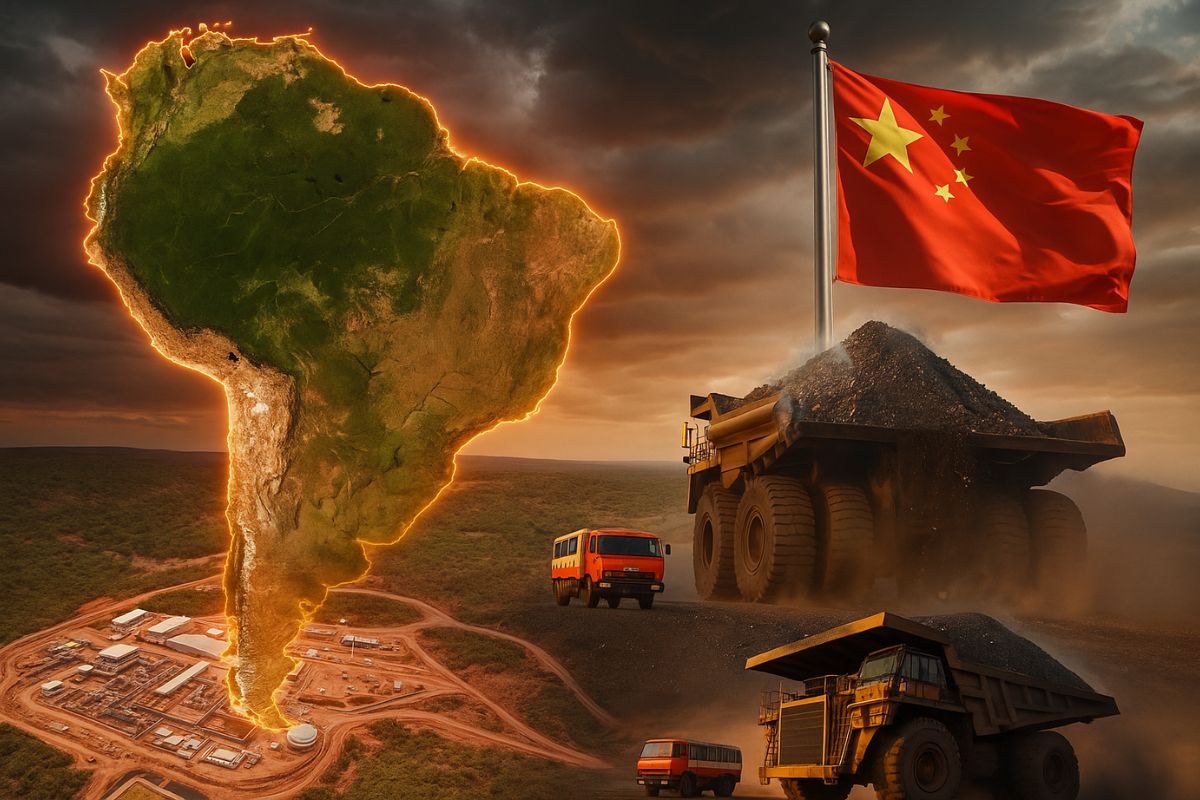


Funded By Western Capital To Break Dependency On China, Brazil’s Largest Rare Earth Mine Became, Ironically, A Strategic Supplier To The Industry Of Its Main Competitor.
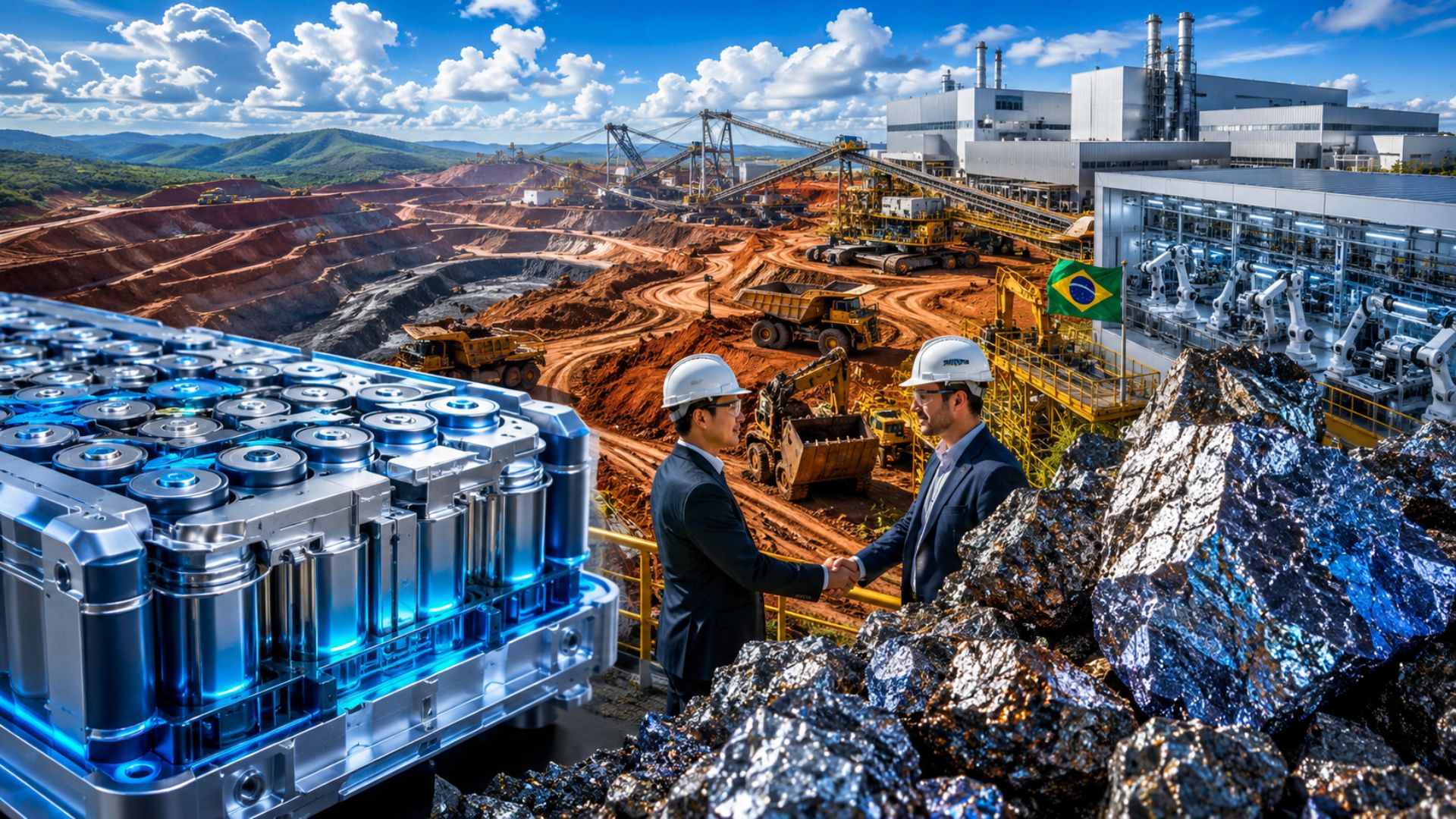
In the hinterlands of Goiás, a new and strategic rare earth mine has begun operations and is already at the center of a geopolitical paradox. Serra Verde Mineração, located in Minaçu, was financed by investors from the United States and the United Kingdom with a clear goal: to create a new source of critical minerals outside of China. However, the reality of the market imposed itself mercilessly.
The company confirmed that it sold the majority of its initial production to Chinese buyers, in contracts that extend at least until 2027. The story of the Serra Verde mine exemplifies how China plays the chess game of critical minerals and how good intentions can, in practice, end up strengthening the dominance of its greatest strategic rival.
What Is Serra Verde Mine? A Strategic Asset In The Heart Of Goiás
The Pela Ema mine, operated by Serra Verde in Minaçu (GO), is a unique asset. It is the largest known ionic clay rare earth deposit outside of China. This geological feature is its greatest advantage, as it allows for low-cost mining with a lower environmental impact, very similar to what the Chinese dominate.
-
China could reduce iron ore imports from 80% to 50% of consumption by 2030, while its share in global steel production falls from 52% to 46%, in a shift that could reshape the global market, says CMRG.

-
Brazil is sitting on one of the largest lithium reserves in the world, in the Jequitinhonha Valley, but national mining has almost become an appendage of China: 97% of the metal’s export goes to a single country, which also dominates refining.
-
Iron ore falls to 762 yuan in China as real estate sales decline and steel production hits lowest level since 2018
-
Brazil has minerals, clean energy, and a waiting market, but it could miss a billion-dollar opportunity if it doesn’t speed up the race for green minerals, while the steel industry seeks to reduce emissions.


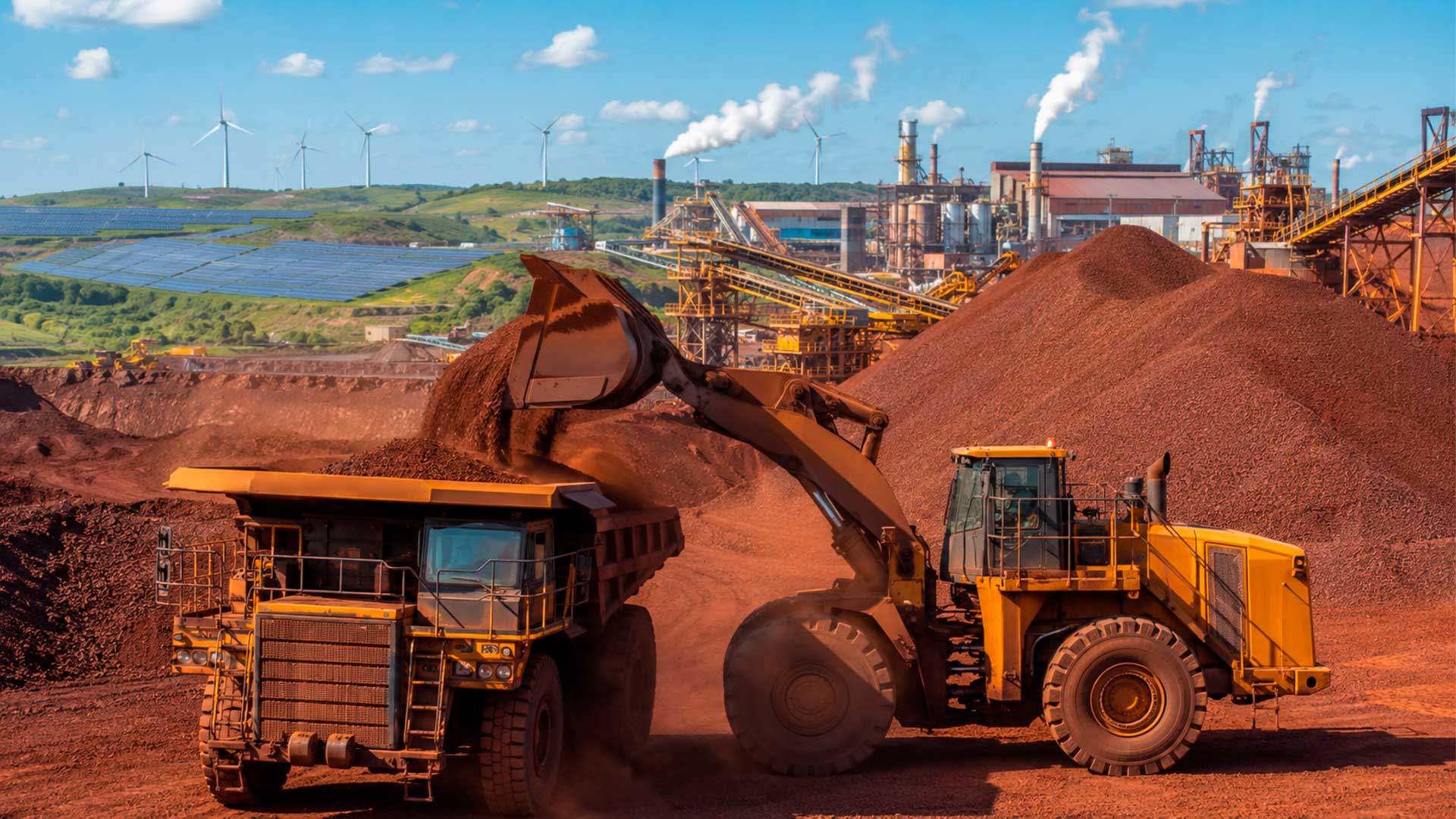
The product from the mine is a concentrate rich in the four most valuable rare earth elements for the technology industry: neodymium, praseodymium, terbium, and dysprosium. They are essential for manufacturing high-performance magnets used in electric car motors, wind turbines, and defense systems.
Western Capital For A “Pro-China” Project
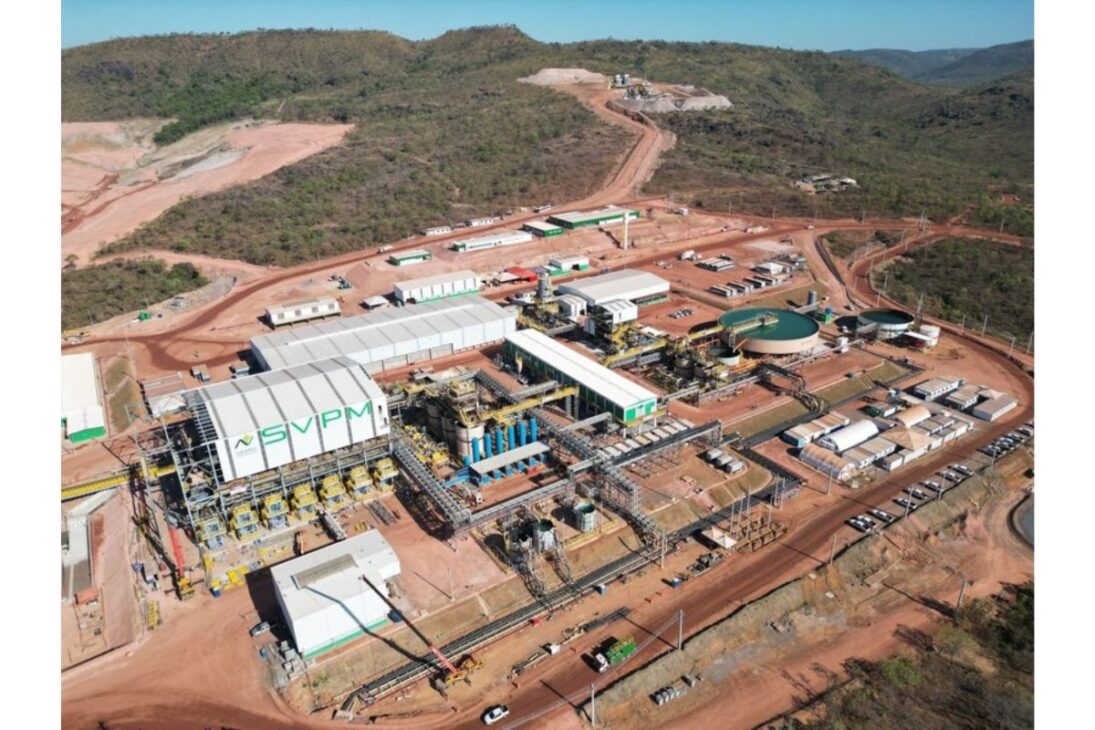
The Serra Verde project was driven by a consortium of large Western investors, including Denham Capital (US) and Vision Blue Resources (UK). The strategic objective was clear: to create a Western champion in the production of rare earths to diversify the supply chain and reduce dependence on China.
The project even received endorsement from the Minerals Security Partnership (MSP), an alliance of 14 countries led by the US that aims to strengthen critical mineral supply chains. The contradiction could not be greater: the emblematic project of the West to counter China has, in practice, become a supplier of raw materials for the Chinese industry.
The China Wall: Why Does Serra Verde Sell Its Rare Earths To The Chinese?
The decision by Serra Verde to sell its production to China was not a choice but a necessity. The reason is simple and brutal: China controls about 90% of the world’s entire rare earth refining and separation capacity, the most complex and profitable link in the chain.
Serra Verde’s CEO, Thras Moraitis, was direct in justifying the agreements: the Chinese were “the only client who could process the product and separate it.” The West, over decades, outsourced this industrial capacity and now pays the price. Even with a new mine, there are no allied refineries at scale to process the material.
Sales Agreements: A Commitment Until 2027
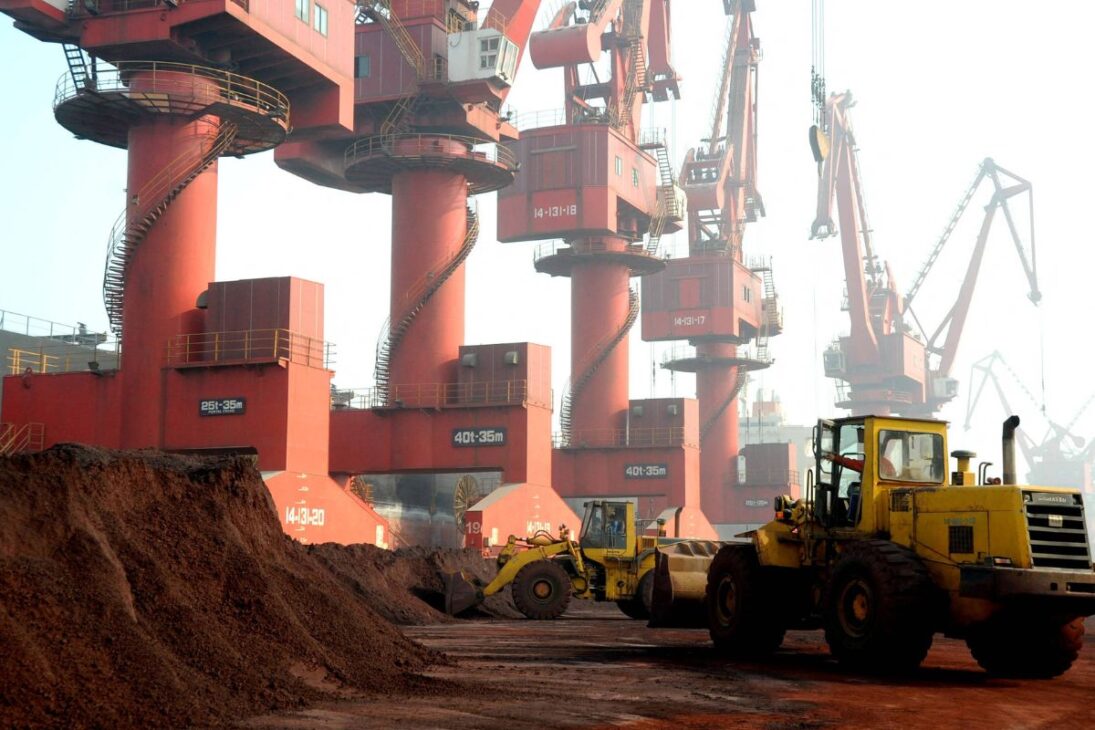
Although the exact date of the agreement announcement is uncertain, the contractual reality is clear. The company confirmed that it already has sales contracts for the “majority of the planned production” with processors in China, and industry sources state that these agreements extend until at least the year 2027.
The mine, which started commercial production at the beginning of 2024, has a capacity of 5,000 tons per year and is already considering an expansion that could double this volume. Therefore, all this initial production is contractually destined to strengthen the Chinese industry.
A Chinese Checkmate With Rare Earths
The case of Serra Verde exposes the significant flaw in the Western strategy. It does not make sense to finance new mines in friendly countries if there are no allied factories to process the ore. The result is an even more complex dependency: the West now depends on Brazil for raw materials, and both depend on China for high-value products.
For Brazil, the agreement guarantees revenue and consolidation as a major producer. However, the country remains in the position of a mere commodity exporter, capturing only a fraction of the value of the chain. For China, the move is a checkmate: it not only guarantees the supply of high-quality rare earths, but does so using the capital of its own competitors, reinforcing its global dominance over the metals of the future.




Aqui ficas contaminação, o buraco e a pobreza. Ufanismos …
É porque o nosso governo não faz nada pra mudar isso? Nosso país é rico, mas os brasileiros continuam sendo explorados, porque não temos governantes que se importem em fazer nossas riquezas se tornarem fontes de prosperidade para todos os brasileiros… uma vergonha isso!
Isso não é o governo, é o interesse industrial
O governo aqui não se envolve diretamente em interesse industrial como é na china a China tem outra cultura empsarial e nisso nós perdemos e todos os países de regime democrático perde da china.
Oxe. Tu acha que os EUA não queriam ter refinaria de terras raras tbm não? Se fosse fácil todo mundo dominava.
Em 1995 eu disse a um gerente nosso, em uma rodada de negócios envolvendo uma delegação chinesa; Vamos alimentar um dragão que lá na frente vai nos engolir… Me disseram; Acorda, se não, você será engolido agora, pela Globalização. Então inicialmente começamos trazer materia prima, (ajudamos os chineses a quebrar nossos fornecedores), depois passamos a importar o produto acabado, achando que tínhamos inventado a roda. Resultado; a empresa que trabalhávamos fechou em 2003, nossos clientes (grandes redes varejistas) foram comprar na China, estas redes acharam por sua vez que tinham inventado a roda, aí o tempo passou, a China veio com os APPs de venda direta ao consumidor ou sites que se especializaram em fazer o chamado Dropshipping, eu chamo de fraude fiscal e aí nossos varejistas quebram praticamente todos. A globalizão dos negócios sem a globalizão das regras iguais a todos não é justa e não pode ser aceita. Eu disse em 1995 e hoje reafirmo; Alimentamos o dragão e ele nos engoliu. Um detalhe, este dragão cresceu tanto que hoje é uma ameaça também a nível militar ao mundo todo…