Portuguese
  Spanish


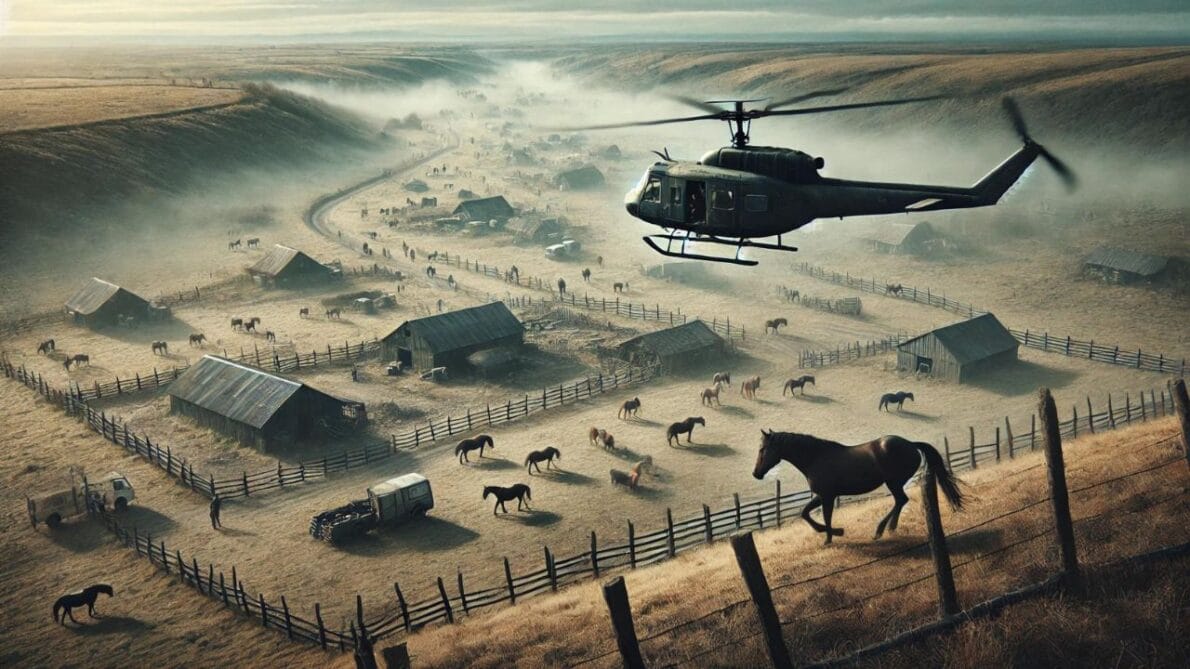

Why Is The Government Going To Cull 300 Helicopter Horses?
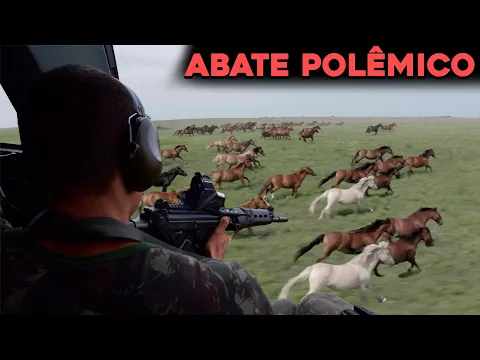
In recent days, the news that the government would cull hundreds of horses using armed men in helicopters has shocked many people. The news is so unusual that many thought it was fake news. But, to the surprise of many, it is true and has happened before.
Why Is The Government Culling Helicopter Horses? The justification is astonishing. Culling animals from a helicopter seems like a scene from a movie, but it is a reality that has occurred before. Last year, 150 head of wild cattle were culled in the national forest of New Mexico. The justification? The animals posed a threat.
Australian Government To Cull Hundreds Of Horses

According to the authorities, the wild cattle in New Mexico have been aggressive toward visitors, grazing year-round, trampling banks and springs, causing erosion and sedimentation. Now, the news of the culling of hundreds of horses has attracted even more attention, with a reason similar to that of the cattle, but this time in Australia.
-
Producer receives news and had to cull almost the entire herd, bounced back with the help of compensation, and is now producing 450 liters of milk per day in SC.

-
Quail Eggs Reveal a “Secret Code” on Their Shells Explaining Unique Patterns and Colors

-
Rare Tropical Fruit Canistel, with Egg Yolk Color and Caramel Flavor, Gains Interest from Researchers and Small Producers in Brazil
-
Brazilian Farmers Develop Wheeled Metal Lever to Ease Cassava Harvesting Without Heavy Machinery


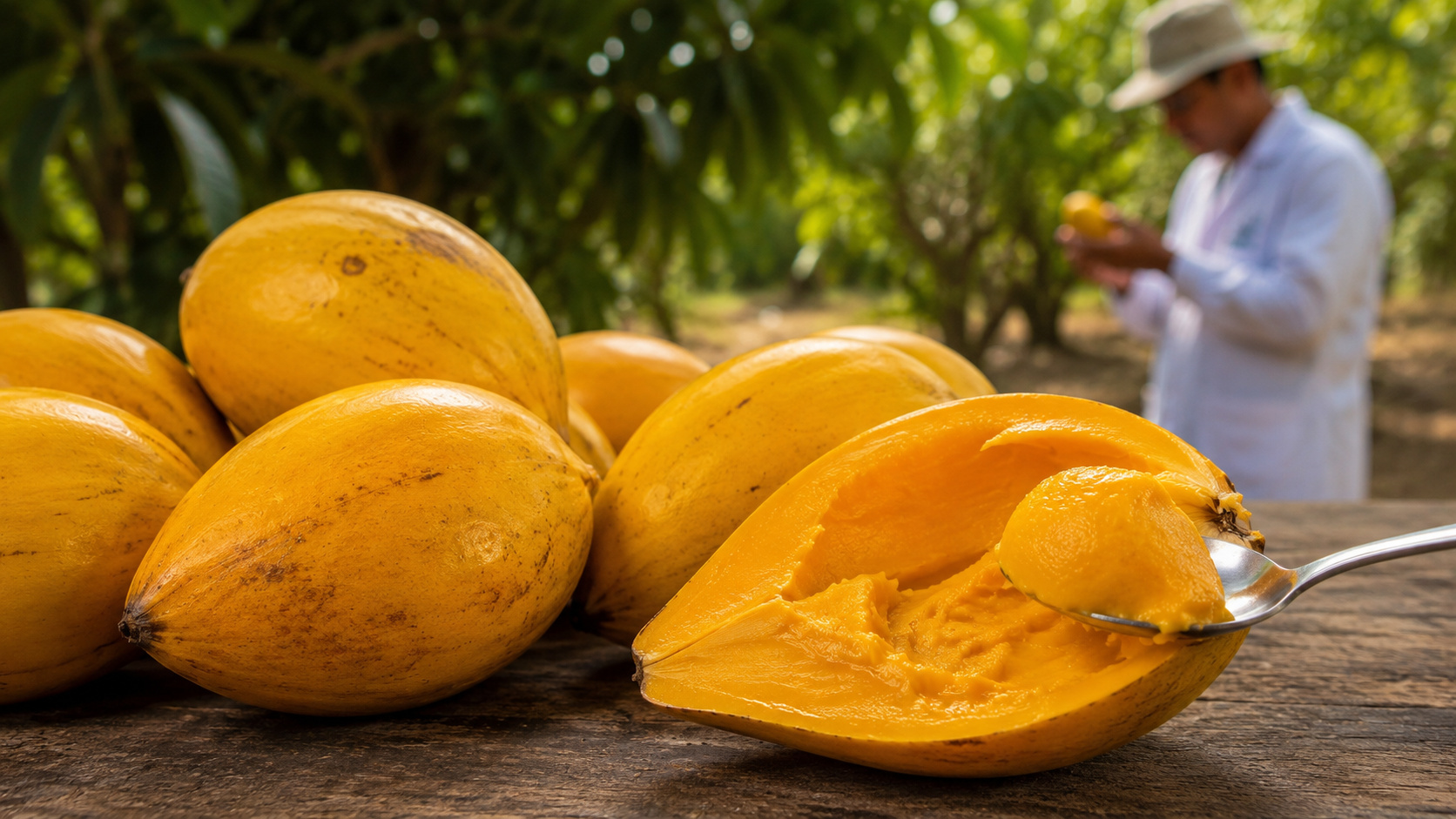
The aerial culling of wild horses involves the use of helicopters to locate and cull the animals. This method was chosen for being considered more efficient and less traumatic than alternatives such as capture and relocation. During an initial two-day test, 270 horses were culled, with veterinarians monitoring the process to ensure compliance with animal welfare standards. No significant adverse events were reported during the test.
Kosciuszko National Park
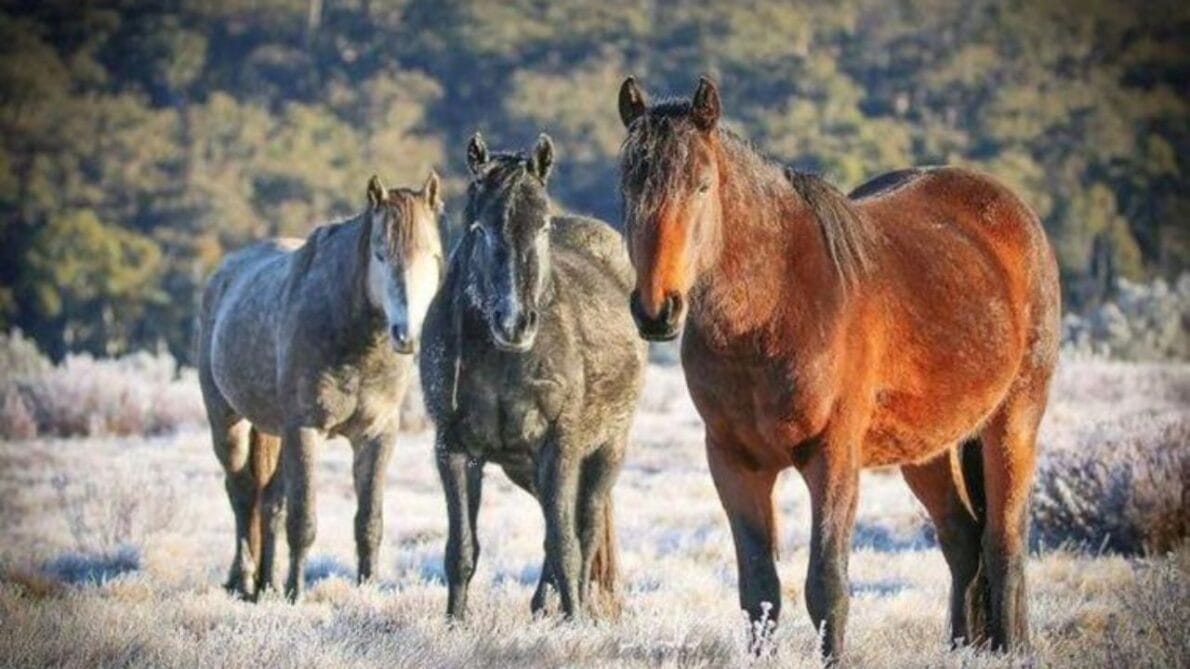
Wild horses have a devastating impact on the alpine environment of Kosciuszko National Park. Studies conducted by the federal government’s threatened species scientific committee reveal that these animals are directly threatening the survival of several endemic species. They contribute to habitat destruction, cause significant soil erosion, and damage waterways, leading to degradation of riverbanks and loss of native vegetation.
The proliferation of these animals, combined with favorable weather conditions, has been exponential. Recent estimates indicate a population of more than 18,000 horses in the park in 2022, a significant increase from the 14,123 recorded in 2020 and around 6,000 in 2016.
Aerial Culling Taken After An Extensive Public Consultation Process
The decision to implement aerial culling was made after an extensive public consultation process. Environment Minister Penny Sharp stated that the measure was necessary to protect threatened species and ecosystems in the park. Of the 11,000 participants in the consultation, 82% supported the measure, acknowledging the urgency of effective actions to control the wild horse population. The minister emphasized that, as the person responsible for national parks, she could not ignore the damage caused by horses to native species and Indigenous cultural heritage.
The aerial culling approach is seen as a more humane and practical measure to reduce the horse population, compared to methods like capture and transport, which often result in high levels of stress and ‘mortality’ for the animals. Some experts highlight that without population control, the horses would face conditions of massive starvation during dry periods, resulting in prolonged suffering.
However, the aerial culling measure faces resistance from segments of the population concerned about the welfare of the horses. Animal welfare groups and individuals opposed to aerial culling argue that the measure is cruel and unnecessary. However, this opposition is unlikely to prevent more horses from being culled.