






 Portuguese
  Spanish


Sources In Washington Reveal That The U.S. Government Is Preparing Sanctions Against Banco do Brasil, New Tariffs, And Barriers To The Importation Of Russian Diesel.
The Donald Trump administration is preparing a new round of actions against Brazil that could have a significant impact on the economy. The measures, according to CNN’s investigation, could directly affect Banco do Brasil and the importation of diesel from Russia. Additionally, the U.S. contests Brazilian arguments about a 50% tariff. The situation is described as fluid, depending on a final decision from the president.
Banco do Brasil Under Scrutiny Due To Relationship With STF Minister
The sanction considered most imminent is against Banco do Brasil (BB). Based on the Magnitsky Act, the U.S. Department of the Treasury can impose economic sanctions on institutions providing services to Minister Alexandre de Moraes of the Federal Supreme Court (STF).
The justification would be the fact that BB allegedly offered a Brazilian Elo card to the minister shortly after another financial institution canceled his Mastercard. In a statement, the bank affirmed that it operates in full compliance with Brazilian laws and international standards.
-
Brazil’s July Bolsa Família Payments May Include Extra $150 and $50 for Families with Children, Pregnant Women, and Updated CadÚnico Registration

-
Brazilian Woman Buys €1 House in Sicily, Clears 50 Truckloads of Debris, and Transforms Ancient Ruin into Inspiring Life Project by 2026

-
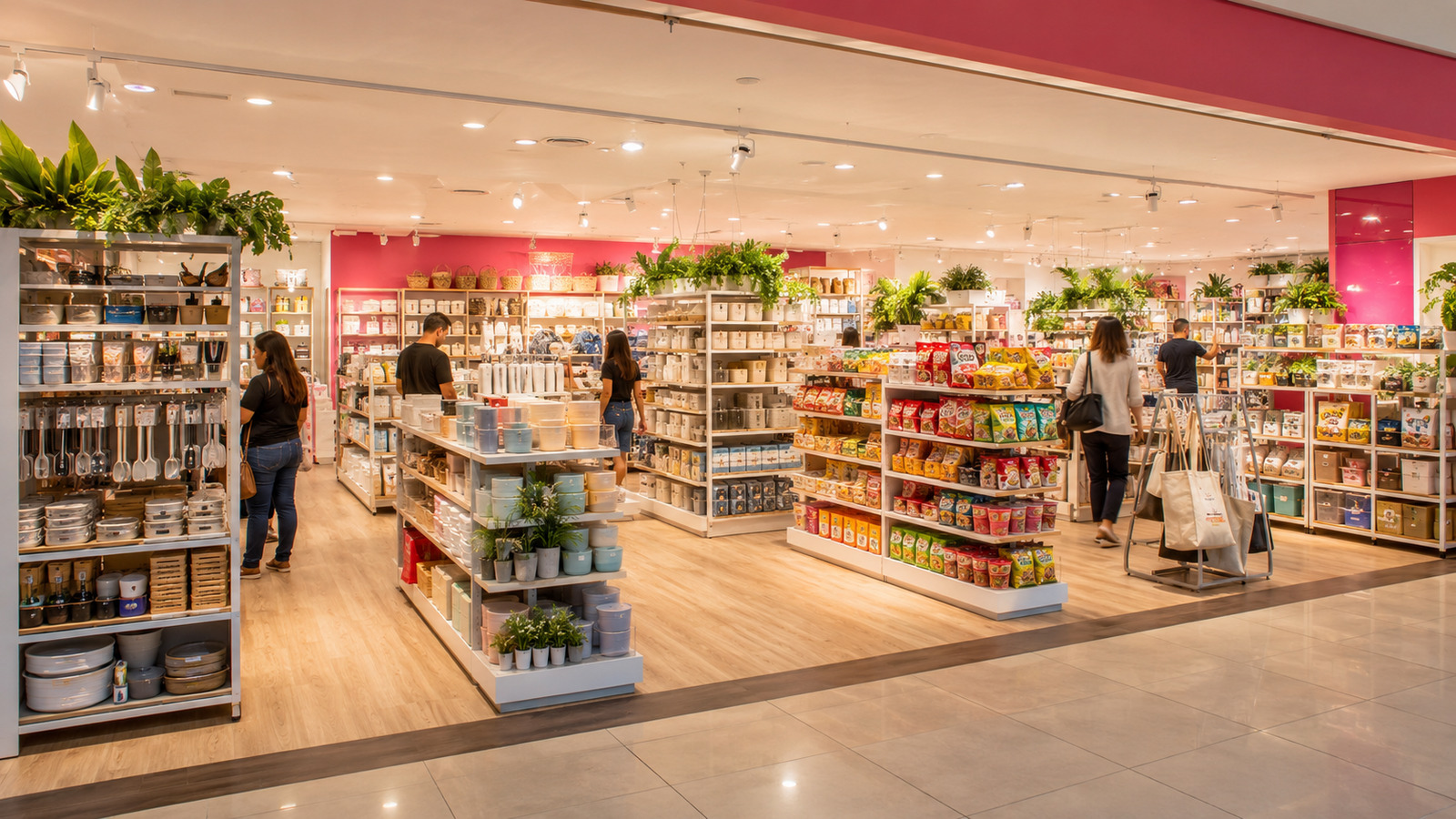
Havan Competitor Expands in Brazil with 170 Stores, Offering Everything from Stationery to Asian Food and Focusing on Affordable Products to Attract Shoppers

-
Norway’s $2 Trillion Dilemma: How Oil Revenue Created a Massive Savings Fund with Too Much Money to Spend



Precedents For Multibillion-Dollar Fines Against International Banks
The United States has a history of imposing hefty fines in such cases. The French bank BNP Paribas, for example, was ordered to pay US$ 9 billion for violating sanctions. The British bank Standard Chartered was fined three times for similar reasons, with one penalty reaching US$ 1.1 billion.
Commercial Dispute: U.S. Companies Press For 50% Tariff
A 50% tariff on Brazilian products will be the topic of a hearing in the U.S., and the Brazilian government will defend its position. However, American companies have coordinated to maintain the barrier. They claim that Brazil’s competitive advantages stem from illegal deforestation and forced labor.
The criticisms from American companies extend to Brazilian regulations on artificial intelligence, data centers, and streaming taxation. The Pix system has also come under fire, with U.S. financial institutions accusing the Central Bank of acting as a competitor.
Importation Of Russian Diesel May Also Face Sanctions
The Trump administration is also planning to act against the importation of diesel oil from Russia by Brazil. The measure, which could be implemented within a week and a half, would follow the example of India, which raised its rate from 25% to 50%. Last year, Brazil imported about US$ 12.5 billion in Russian products, primarily diesel and fertilizers.


