
Japanese chain present in Brazil since 2012 bets on household goods, stationery, decoration, Asian foods, and low-cost products to attract consumers in about 170 stores across the country
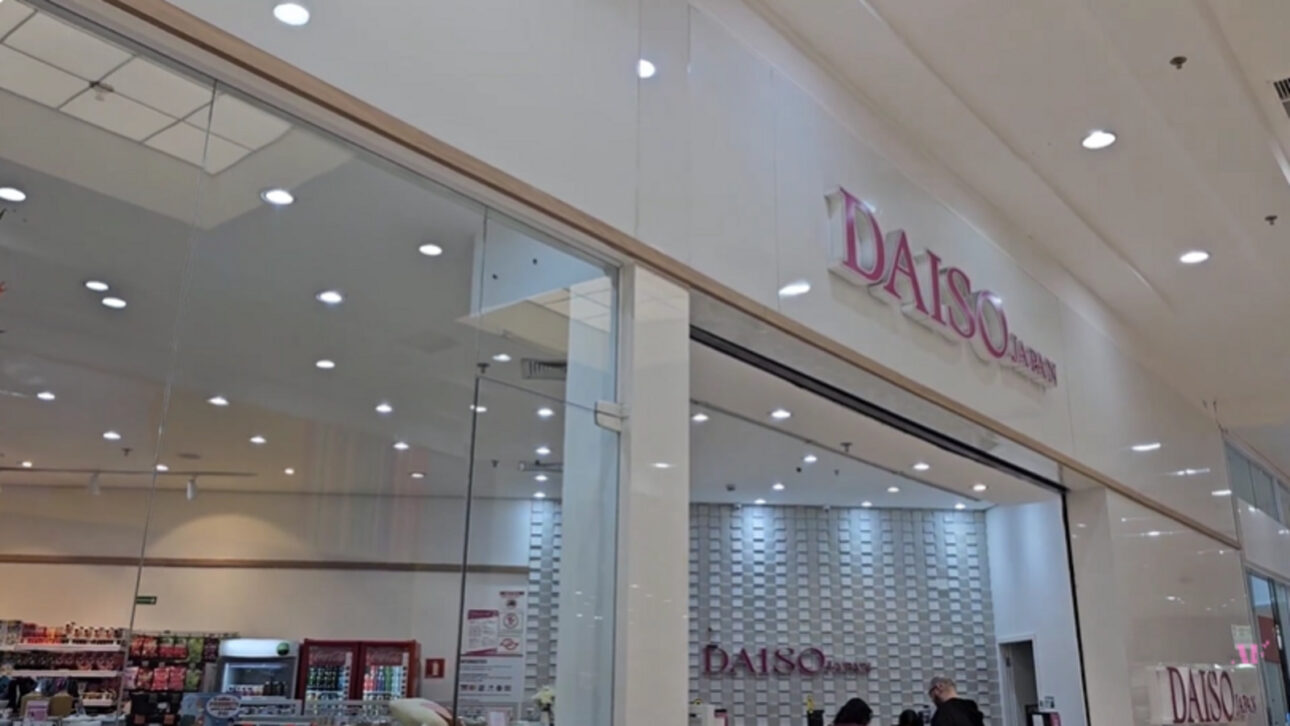
Daiso, a retail chain created in Japan, already has about 170 stores in Brazil and draws attention for its variety of products for home, stationery, decoration, food, and everyday items. Present in the country since 2012, the brand is growing with its own units and operations in partner stores.


Daiso bets on full shelves and quick shopping
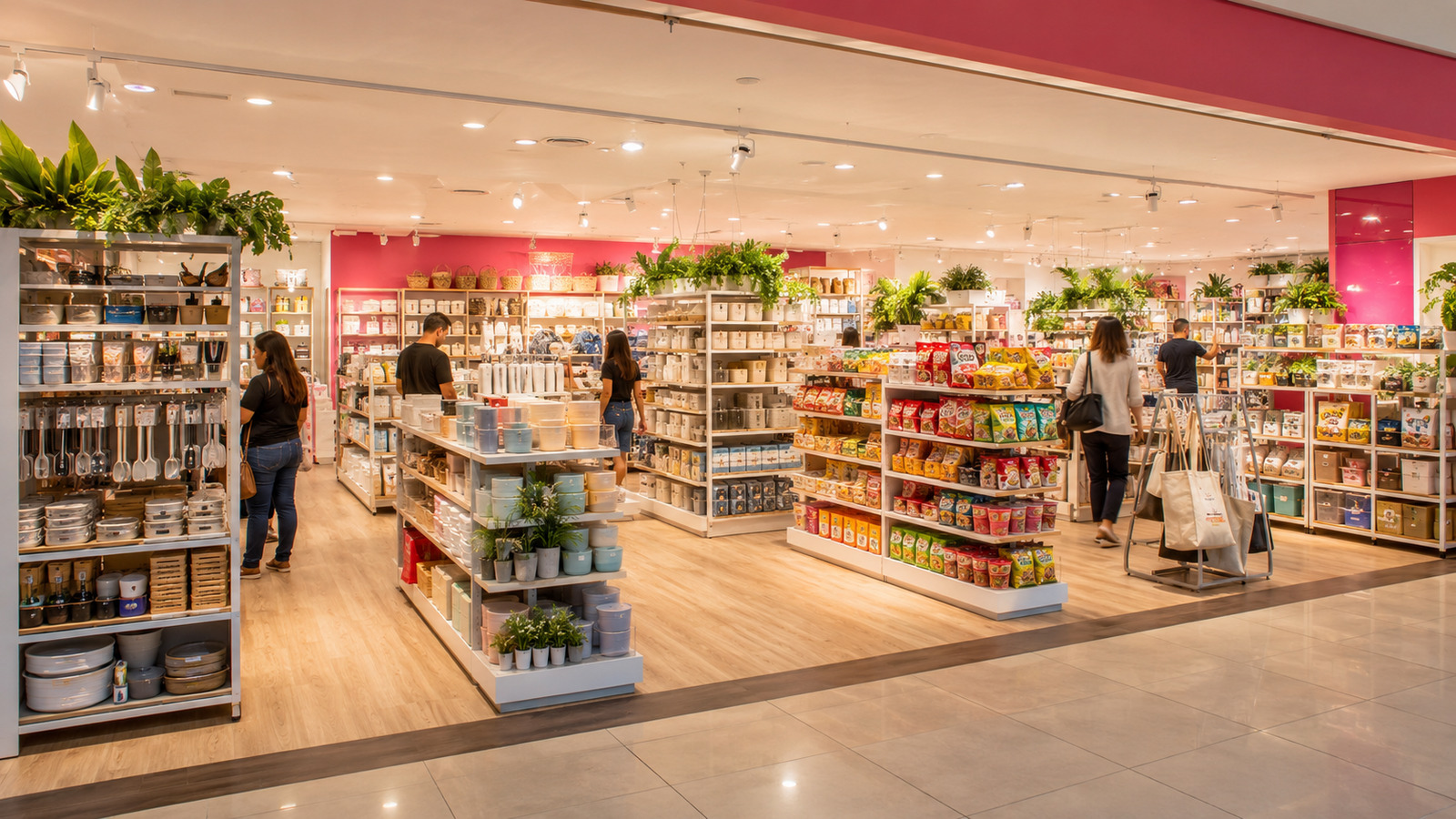
The Japanese chain has attracted Brazilian consumers with a model based on a wide variety of goods gathered in one space.
In the stores, the public finds items aimed at home, organization, kitchen, decoration, and everyday use.
-
Norway’s $2 Trillion Dilemma: How Oil Revenue Created a Massive Savings Fund with Too Much Money to Spend

-
Microsoft Lays Off 4,800 Employees, Cuts 20% of Xbox Staff Amid AI Pressure on Major Tech Firm

-
Brazil’s ANP Opens 86 New Oil Blocks in the Equatorial Margin, Expanding the Amazon River Mouth Frontier

-
Warren Buffett’s Lesson: How Discipline, Extra Income, and Small Investments Can Transform Your Financial Future




The format resembles that of large department stores due to the diversity of available products. However, the proposal is mainly focused on smaller items, household goods, and low-cost products.
This combination helps explain why the brand has come to be compared with well-known national retail chains like Havan, even though the two companies operate with different proposals.
Home products, stationery, and Asian foods are among the highlights
Among the most sought-after items at Daiso are stationery materials, kitchen utensils, organizers, decoration items, home accessories, and everyday products.
Another distinguishing feature of the chain is the presence of Asian foods on the shelves. The brand sells teas, sweets, instant noodles, and typical seasonings from Japan and other Asian countries.
This offering broadens the store’s appeal to consumers seeking both functional products and items different from those found in traditional retailers.
Difference from Havan is in the focus of the operation
Despite the comparison, Daiso and Havan do not have the same business profile. Havan operates as a large department store, with furniture, appliances, electronics, and various other segments.
The Japanese chain, on the other hand, focuses its operation on smaller products, household utilities, and low-cost items. The focus is on quicker purchases, with variety and affordable prices.
This difference positions the brand as an alternative for consumers looking for practical items for home, organization, decoration, and daily consumption.
Japanese chain expands presence in Brazilian retail
Daiso began its operations in Brazil in 2012. Since then, it has been expanding its presence in different cities across the country.
Currently, there are about 170 stores, including own units and operations installed within partner establishments. The chain also operates in shopping malls and smaller formats.
With this growth, the brand strengthens its presence in Brazilian retail and increases competition in the segment of utilities, stationery, decoration, and everyday items.
This article was prepared based on information from the provided base material, with data, numbers, and descriptions preserved as per the consulted content.