






 Portuguese
  Spanish


With oil revenues invested outside the country, Norway created the world’s largest sovereign fund, with trillion-dollar assets, stakes in thousands of global companies, and a fiscal rule that limits the use of public money to protect future generations
Norway currently manages the world’s largest sovereign fund, a gigantic asset built from a rare decision among oil-producing countries: saving a large part of the income generated by natural resources and investing this money outside the national economy.
The Government Pension Fund Global, known internationally as the Norwegian sovereign fund, ended 2025 valued at 21.268 trillion Norwegian kroner, according to Norges Bank Investment Management, the body responsible for its management.
In practice, it is one of the largest public financial reserves ever formed by a country. The value varies daily according to market performance and exchange rates, but it has already placed Norway in a unique position: a nation of just over 5 million inhabitants with a fund that exceeds trillions of dollars in global assets.
-
Microsoft Lays Off 4,800 Employees, Cuts 20% of Xbox Staff Amid AI Pressure on Major Tech Firm

-
Brazil’s ANP Opens 86 New Oil Blocks in the Equatorial Margin, Expanding the Amazon River Mouth Frontier

-
Warren Buffett’s Lesson: How Discipline, Extra Income, and Small Investments Can Transform Your Financial Future
-
Brazilian Startup Turns Coffee Grounds into Plant-Based Leather, Cutting Water Use by Over 50 Times for High-Impact Sustainable Fashion


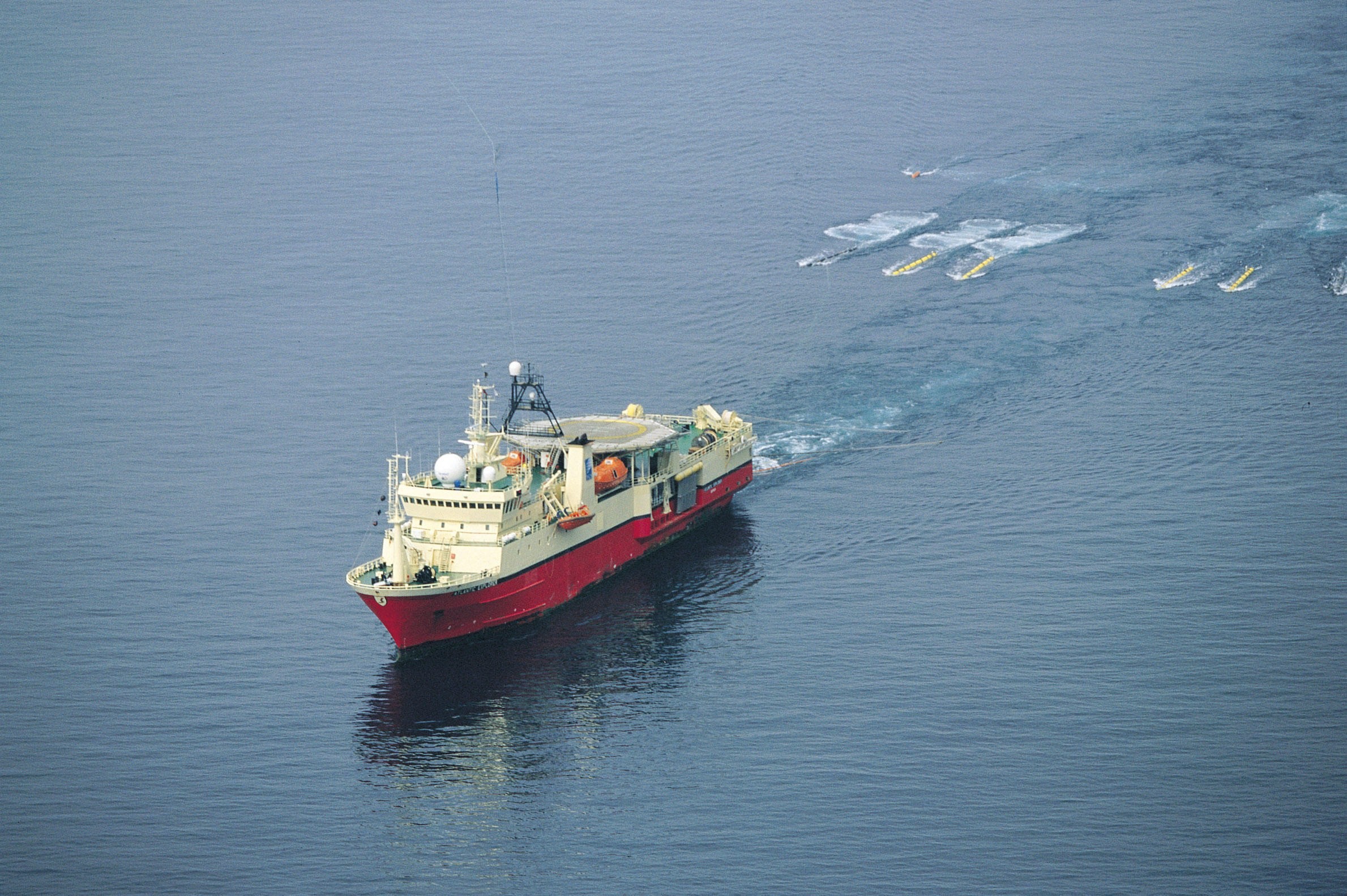


The origin of this trajectory lies in the North Sea oil. In 1969, shortly before Christmas, Phillips informed Norwegian authorities of the discovery of Ekofisk, which would become one of the largest offshore oil fields ever found.
Production began on June 15, 1971, paving the way for a new economic phase in the country.
Ekofisk changed Norway’s economic history
The discovery of Ekofisk marked the beginning of Norway’s so-called “oil adventure.” Until then, Norway was not seen as a global energy power. Exploration in the North Sea changed this scenario and began to generate significant revenues for the state.
The Norwegian differential, however, was not just finding oil. The decisive point was how the country decided to handle this wealth. Instead of allowing all the oil income to be quickly absorbed by the public budget or the internal economy, Norway adopted a long-term strategy.
According to Norges Bank Investment Management itself, the concern was to avoid economic imbalances. The excessive influx of oil money could overheat the economy, pressure prices, appreciate the local currency, and make other sectors less competitive. Therefore, the country decided to separate oil wealth from everyday public spending.
Fund was created in 1990 and received money for the first time in 1996
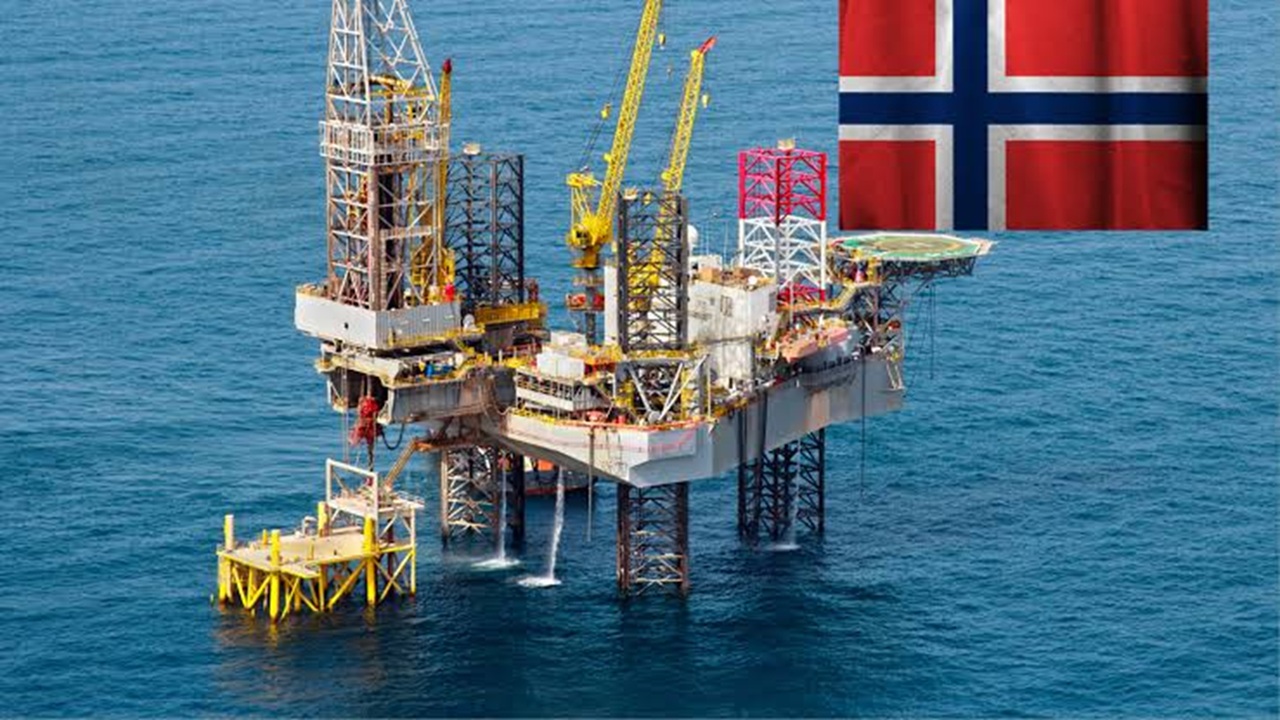
Although the wealth base began with the discovery of oil in 1969, the sovereign fund was not born that year. The legal structure was created in 1990, when the Norwegian Parliament passed the legislation that gave rise to the fund, initially linked to oil revenues.
The first capital transfer occurred only in 1996. In that year, the Ministry of Finance deposited almost 2 billion crowns into the then Government Petroleum Fund, according to the official history of NBIM.
From there, the fund grew rapidly, fueled by public revenues from the oil and gas sector, investment returns, and exchange rate variations.
By 2025, more than half of the fund’s accumulated value already came from investment returns, not just from government deposits. According to NBIM, of the 21.268 trillion crowns recorded at the end of 2025, 13.457 trillion corresponded to investment returns.
Money is invested outside Norway
One of the main rules of the Norwegian model is that the fund invests only abroad. The goal is to prevent oil income from overheating the local economy. The money is invested in stocks, fixed income securities, real estate, and renewable energy infrastructure in different countries and currencies.
This strategy also reduces Norway’s direct dependence on oil. Instead of turning finite wealth into immediate spending, the country converts temporary revenues into globally distributed financial assets.
The fund is managed by Norges Bank Investment Management, the investment management arm of the Central Bank of Norway. The mandate is defined by the Ministry of Finance, but the execution of investments is the technical responsibility of the institution.
The global scale of the fund is impressive. According to NBIM, it holds stakes in about 7,200 companies around the world and owns, on average, almost 1.5% of all shares of companies listed on global stock exchanges.
Among the investments are large international companies in technology, industry, consumer goods, energy, health, and finance. The model does not focus on a single company or sector but seeks broad exposure to global economic growth.
3% Rule Limits Political Use of Money
Another pillar of the system is the so-called fiscal rule. The government can use resources linked to the fund to cover the structural deficit of the non-oil budget, but this use must follow a long-term benchmark: the expected real return of the fund, estimated at 3% per year.
This does not mean that politicians can simply withdraw 3% automatically every year. The rule functions as an anchor to prevent the public budget from relying excessively on oil income. In times of crisis, the use may be greater; in times of normality, the goal is to maintain a sustainable trajectory.
In practice, Norway has created a mechanism to transform a limited natural wealth into a permanent source of financial stability. Oil may run out, lose value, or be replaced by other energy sources, but the wealth accumulated abroad remains as a reserve to finance part of the welfare state in the future.
Model Became a Global Reference
The Norwegian fund is often cited as an example of public wealth management. Countries rich in oil, gas, or minerals face a common problem: the sudden influx of revenue can lead to corruption, fiscal dependency, inflation, and waste.
Norway has attempted to reduce these risks with transparency, institutional rules, and global investment.
The country has also made the fund a tool for responsible long-term policy. The stated goal is not just to save money but to ensure that the wealth generated by oil and gas benefits both the current generation and future generations.
This model helps explain why Norway has managed to transform a discovery made in the North Sea more than half a century ago into one of the largest financial assets on the planet. The case shows that the impact of oil does not depend solely on the quantity found but on the political decisions made after the discovery.
While many producing countries quickly spent natural resource revenues, Norway created a barrier between underground wealth and the internal budget. This choice made the Norwegian sovereign fund a kind of “national savings” on a global scale, supported by strict rules, international investments, and a rare long-term vision in economic world politics.


