Portuguese
  Spanish


Three powers separated by oceans, the United Kingdom, Italy, and Japan, have decided to unite engineers, money, and industries to jointly build the same warplane: a sixth-generation stealth fighter, with onboard artificial intelligence and capable of commanding drones, which aims to dominate the skies from 2035 and replace the current Eurofighter and F-2.
Developing a combat fighter from scratch is one of the most expensive and difficult tasks a country can undertake. It costs tens of billions, takes more than a decade, and requires mastery of technologies that very few nations possess. This is why the United Kingdom, Italy, and Japan made an unusual decision: instead of each trying on their own, they combined everything into a single program, the GCAP.
The acronym stands for Global Combat Air Programme, and the name already reveals the ambition: a global reach air combat program. The project has just taken a concrete step, with a contract of about 850 million dollars and the structuring of the joint company that will handle the development, a sign that it has moved from paper to heavy engineering.
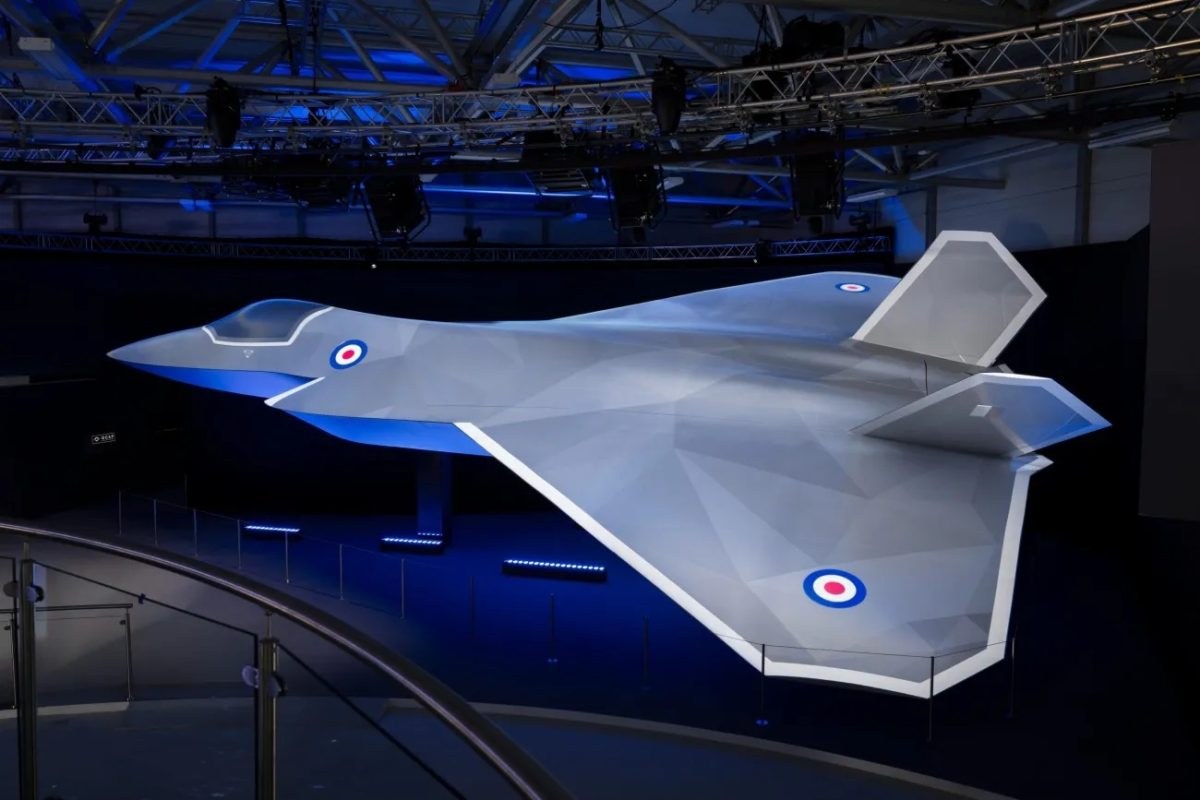
What makes a sixth-generation fighter
The difference from current fighters is not just in form. A sixth-generation fighter is designed to be almost invisible to radar, with shapes and materials that absorb waves, and it features onboard artificial intelligence to help the pilot process the avalanche of information in a modern air battle. The idea is for the plane to think alongside the pilot.
-
South Korea Surpasses Germany, Its Former Submarine Mentor, by Advancing to Nuclear Submarines

-
Australia, UK, and US Seal Combat Submarine Drone Pact to Accelerate Attack Fleet
-
Europe Orders Israel’s Light Cannon Capable of Downing Drones from Five Kilometers at Minimal Cost Per Shot
-
Turkey Delivers Self-Designed Submarines, Emerges as Naval Power Exporter in the Mediterranean


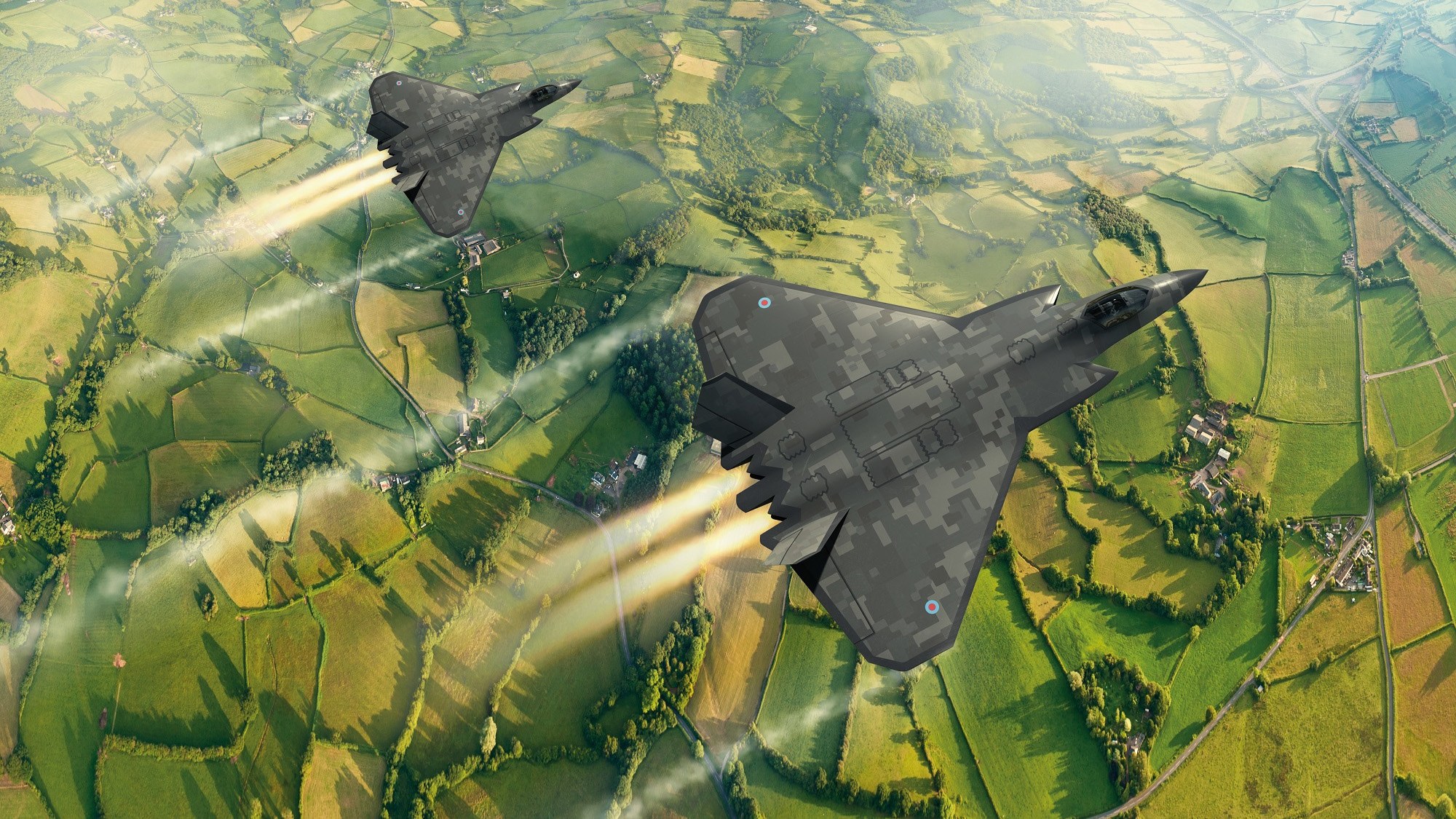
Perhaps the most revolutionary feature is the ability to command combat drones. The fighter becomes a sort of flying conductor, dispatching unmanned aircraft to clear the way, attract enemy fire, or attack, while the pilot remains more protected in the rear. It’s a concept called team combat, where man and machine fly side by side.
All this depends on a more powerful engine, sensors spread across the fuselage, and a huge amount of software. That’s why development is so expensive, and why splitting the bill among three countries makes so much sense.
An alliance between Europe and Asia
What draws attention in the GCAP is the unlikely geography of the partnership. It’s not common to see an Asian nation like Japan developing a cutting-edge fighter alongside Europeans, and this has strategic weight. For Tokyo, the program reduces the historical dependence on American planes; for London and Rome, it ensures that Europe remains capable of designing its own fighters in the future.
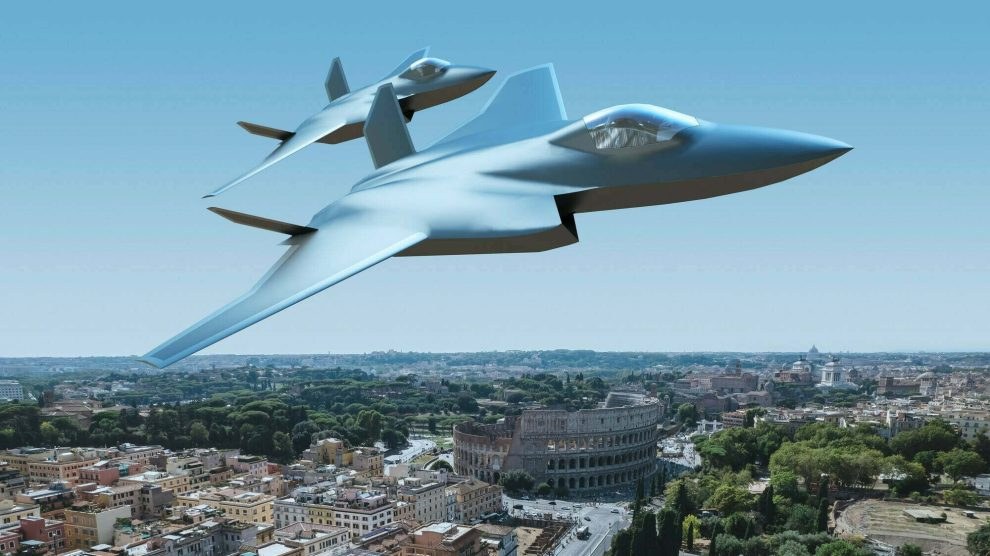
Each country brings its strength. The United Kingdom brings the experience of BAE Systems and Rolls-Royce engines; Italy, Leonardo and its defense electronics industry; Japan, Mitsubishi and its expertise in materials and sensors. Combining these capabilities creates an industrial weight difficult to match, and shares a risk that would be too heavy for just one.
There is also the political component. In a world where the race for sixth-generation fighters already has the United States and China ahead, Europe and Japan do not want to be left behind. The GCAP is this bloc’s response to not relying on foreign technology precisely in the weapon that defines control of the sky.
The billion-dollar cost of making a fighter
Developing a modern fighter is not just engineering, it’s a financial gamble of gigantic proportions. It is estimated that a sixth-generation program costs tens of billions of dollars just until the first plane flies, not counting mass production and decades of maintenance. For a single country, this amount can compromise the entire defense budget for years.
Splitting the bill among three strong economies changes the game. Each partner funds a portion, and in return receives skilled jobs, technology mastery, and participation in future sales of the plane to other countries. It’s the logic of turning a military expense into an industrial return, spreading factories and research centers across the three countries. The risk of the project being delayed or over budget, always present in such ventures, is also shared.
The global race for the fighters of the future
The GCAP is not running alone. The United States is working on its own sixth-generation program, and China has already presented prototypes that alarm the West. There is also a rival European project, led by France, Germany, and Spain, which shows how the continent has split into two paths to reach the same goal.
This fragmentation has a cost. Maintaining two competing European programs means spending double and diluting efforts, and some argue that sooner or later, they will need to converge. For now, each bloc bets on its aircraft, and the GCAP has taken the lead by already having a signed contract and a company set up.
For Brazil, which operates Swedish Gripen fighters and dreams of one day developing its own military aeronautical technology, the GCAP is a lesson in strategy. It shows that, faced with a project too expensive for one country alone, the smart move is to join forces with reliable partners, share costs and knowledge, and secure a place at the table where the future of air power is decided.
The path is still long until 2035, and programs like this tend to be delayed and over budget. But the direction is set: the sky of the next generation will be contested by planes that think, command drones and combine the strength of entire nations into a single project.
Will the union between Europe and Asia be able to beat the sixth-generation fighter of the United States and China?