Portuguese
  Spanish


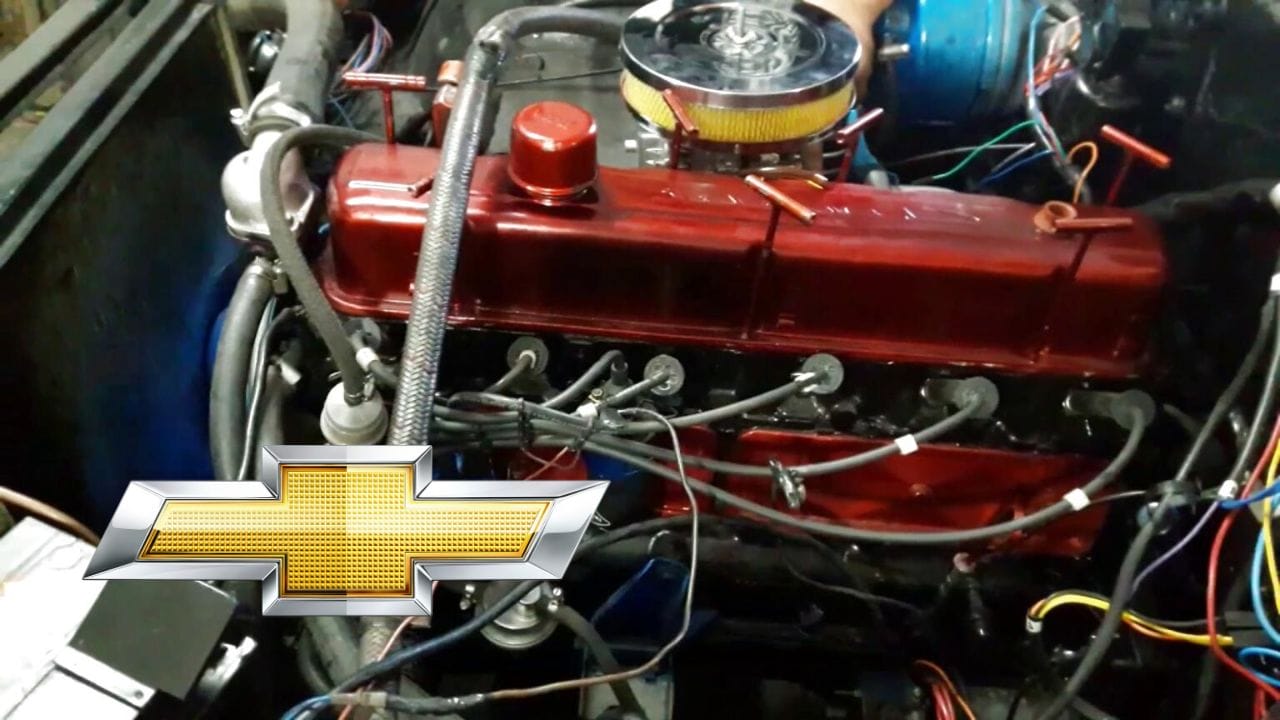


The Chevrolet 6 Cylinder Engine Is a Milestone in Automotive History That Transcends Decades, Uniting Passions, Generations, and Cultures Around a Lasting Legacy.
Since its inception in 1911, the Chevrolet 6 cylinder engine has paved a path of innovation and performance, becoming an icon in the North American automotive industry and later, a symbol of power and reliability in Brazil. The journey of this engine, from the early designs of Louis Chevrolet to its adaptation and evolution over more than four decades, reflects the saga of a brand in constant pursuit of excellence.
Louis Chevrolet, a Swiss immigrant with a passion for mechanics, founded the Chevrolet Motor Car Company in 1911, alongside his brother Arthur and businessman William C. Durant. The brand’s first product, the Series C, equipped with a 4.9-liter six-cylinder engine generating 40 horsepower, marked the beginning of an era of sports vehicles capable of exceeding 100 km/h. This innovation not only established Chevrolet as a prestigious automobile manufacturer, but also paved the way for future mechanical evolutions.
The Rise in the United States and the Arrival in Brazil of the Chevrolet 6 Cylinder Engine


The Chevrolet six-cylinder engine reached its peak in the United States by the 1950s, significantly contributing to the popularity and success of the brand. In 1929, the introduction of the “Stovebolt” model marked a turning point, offering a 3.2-liter inline six-cylinder engine with overhead valves, a novelty for popular vehicles of the time. This engine not only exceeded sales expectations but also solidified Chevrolet’s reputation for delivering performance and reliability.
-
Sales of Brazil’s Cheapest Electric Car Halted Before First Deliveries: E-Motors Suspends Emova Easy Due to Import Tax Increase and Rising Freight Costs

-
Nissan Discontinues Qashqai SUV Amid Cost-Cutting, Chinese Competition, and Product Line Review

-
BYD Patents Revolutionary System Using Computer Vision to Detect Animals Under Cars Before Starting, Preventing Tragedies

-
Study Reveals Why Cars Are More Expensive to Produce and Buy in Brazil Compared to Mexico, Highlighting Taxes, Logistics, and Industrial Costs as Key Factors.




In Brazil, the Chevrolet 6 cylinder engine was introduced in the 6500 trucks and the 3100 pickup, known as Chevrolet Brasil, bringing power and durability to national vehicles. Over the years, the 250 engine, with its adaptations and improvements, equipped several iconic models, including the Opala, becoming one of the greatest successes of the Brazilian automotive industry.
The End of an Era and the Lasting Legacy
Although the production of six-cylinder engines ceased in the United States in 1988, replaced by more compact V6 engines, in Brazil, the tradition continued until the early 2000s with the Silverado line. The Chevrolet six-cylinder engine left a legacy of innovation, performance, and reliability, being still highly acclaimed today by enthusiasts and tuners, marking its presence in automotive competitions and remaining a symbol of power and endurance.