






 Portuguese
  Spanish


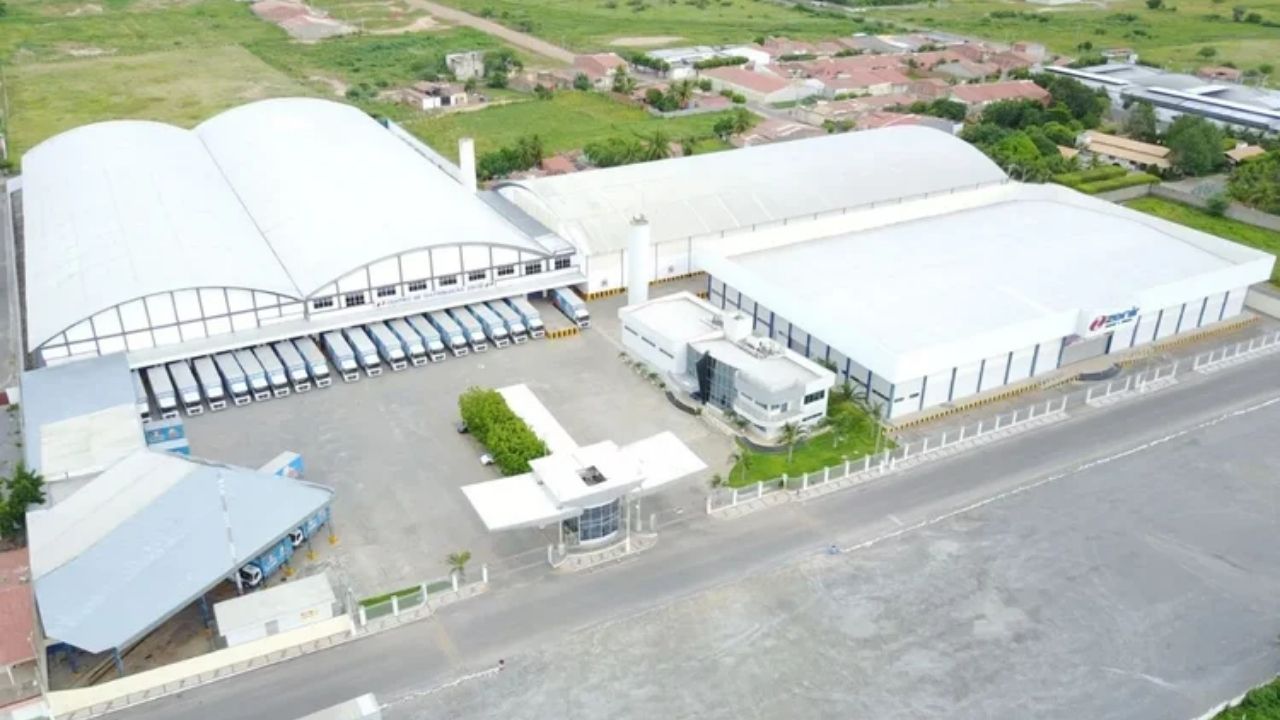
Zenir was born from a mattress store in Iguatu, Ceará, and became a symbol of regional retail with 61 stores, 2,400 employees, and revenue above R$ 800 million. With its own capital, the network plans to reach 100 units by 2032 without leaving the state.
Zenir became a symbol of regional retail in Ceará after being founded in 1992 in Iguatu, starting from a mattress store of 60 to 80 m². According to a report published by Exame on June 14, 2026, the company grew with its own capital, totaling 61 stores, 2,400 employees, and revenue above R$ 800 million.
Behind the network is José Alves de Oliveira, known as Seu Zenir, the son of farmers who left the fields at 14 to work in his uncle’s furniture store. More than three decades later, the company plans to reach 100 units by 2032, the year it turns 40.
From the Fields to Retail in Iguatu
The story of Zenir begins before the first store. José Alves de Oliveira was born in Jucás, a municipality more than 400 kilometers from Fortaleza, in a family of farmers and among ten siblings.
-
Creative Uses for Toilet Paper Rolls That Will Change Your Perspective

-
Crab Trapped in Plastic Bottle for 62 Days Near Okinawa Highlights Little-Known Impact of Marine Pollution on Small Animals
-
Esperanza’s Bamboo Barrier in Oaxaca Redirects River and Reduces Erosion by 85% in Five Years

-
Family Builds Homemade Wind Turbine to Power Off-Grid Home, Video Reaches 555,000 Views on Ngô Thị Huyền’s Channel



At 14, he left the fields after receiving an invitation from an uncle to work in a furniture and appliance store in Iguatu. It was there that the young man began to build, step by step, the path that would later give rise to the network.
Childhood Nickname Became a Brand
The name Zenir was born from a family nickname. “Zeni” was how José Alves de Oliveira was called at home and in the neighborhood, in a common custom of giving nicknames to children right after birth.
Over time, the nickname became a commercial brand. The simple identity helped create regional closeness, especially in interior cities where trust, service, and personal relationships still weigh heavily in purchasing decisions.
First store sold only mattresses
The first store was opened on May 9, 1992, in Iguatu. The space was between 60 and 80 m² and sold only mattresses, with support from a manufacturer in the sector.
Later, the operation began to include furniture. In 1994, the second store opened, still in Iguatu. In 1995, Zenir took its first step outside the city, reaching Campos Sales, more than 100 kilometers away.
Growth followed the map of Ceará
Zenir’s expansion was organic and concentrated in Ceará itself. The network opened one store in 1995, another in 1996, and two in 1997, advancing gradually.
The turn of the 1990s to the 2000s was decisive. The company reached Cariri, with stores in Crato and Juazeiro do Norte, and also Sobral, the largest city in northern Ceará. The growth did not come from a national leap, but from regional dominance.
Fortaleza entered the route in 2003
The arrival in the capital happened in 2003, when Zenir opened two stores and a distribution center in Fortaleza on the same day. The entry took advantage of a moment when networks from the Southeast had left available spaces in the Ceará market.
Part of the stores taken over by Zenir belonged to companies that had left the state. This opportunity helped the network grow without abandoning its regional logic: knowing the territory, understanding the local customer, and occupying strategic points.
Regionalization became a competitive advantage
Today, the company divides its operation into four macro-regions: Fortaleza and metropolitan region, north, central-south, and south. The three interior regions have similar weight, while the capital accounts for a slightly larger share.
For Alan Oliveira, managing partner and son of the founder, this regionalization allows for speed in decision-making. Instead of operating Ceará as the periphery of a national business, Zenir treats the state as the center of the strategy.
Own logistics supports fast delivery
One of the network’s differentiators is its own logistics. The company has about 180 vehicles, including trucks used to supply stores and distribution centers and pickups used to deliver products to the final consumer.
The pickups are also used to distribute flyers door to door and make mobile advertising. In some cases, those who buy a washing machine or a stove can receive the product on the same day if it fits in the vehicle.
Own buildings reinforce the operation
Another point mentioned by the company is the weight of owning properties. According to the report, about 70% of the network’s buildings belong to Zenir itself.
This choice increases the robustness of the operation and reduces part of the exposure to rental costs. In physical retail, controlling commercial locations can be as strategic as selling well, especially in cities where location and trust go hand in hand.
Installment Plan Continues to Be a Pillar of Regional Retail
Zenir maintains a strong presence of installment plans, a traditional model in the furniture and appliance retail sector. In the interior of less developed states, many consumers have limited access to bank credit or cards.
In this scenario, the installment plan acts as an entry point for furnishing a home. According to Alan Oliveira, the relationship spans generations, with a history of parents influencing the credit of their children and grandchildren.
Credit Creates Long-Term Bond
The installment plan is not just a payment method. It also creates a continuous relationship between the customer, seller, and store. In many cities, consumers seek out specific sellers with whom they already have a purchase history.
Mr. Zenir often encounters customers carrying several installment booklets in their bags, showing accumulated purchases over time. This type of bond is difficult to replicate in cold and distant marketplaces.
High Interest Rates Did Not Hinder Expansion
Even in a high Selic environment, the company claims to have maintained the same interest rate used to finance customers. At the same time, delinquency saw a slight increase post-pandemic but has remained stable since then, according to the company.
The granting of credit, previously done manually, has also undergone digitalization. The network hired Neurotech for credit analysis and invested in a more robust CRM system to improve consumer relationship management.
Own Capital Shielded Zenir
Zenir’s expansion is done with its own capital. According to Alan Oliveira, this is one of the reasons that explain the company’s solidity in times of high interest rates and economic instability.
The difference appears when the cost of money rises. Companies dependent on external financing may slow down growth plans, while Zenir can continue opening stores without relying on capital markets or third-party credit.
Digital Is Still a Point of Attention
Despite its physical strength, the company acknowledges that digital was a weak point. When the pandemic hit in 2020, Zenir did not have a structured e-commerce, only a WhatsApp that was not specifically geared towards sales.
The reaction came in 2021, with the creation of its own website, structuring of service via WhatsApp, and later, an app. In the last five years, the network has invested to integrate the channels and adapt its regional model to digital consumption.
Interior changes the competition with marketplaces
Zenir’s bet is that, in the interior, digital giants face limitations that the local network can overcome. In cities far from the capital, the company can deliver faster, keep products available, and offer close post-sale service.
In the interior stores, delivery and assembly of furniture are done with their own team and truck, at no additional cost, according to the report. This in-person service helps maintain an advantage where marketplace shipping doesn’t always solve the customer’s problem.
Goal is to reach 100 stores
Zenir closed 2014 with 40 stores, reached 50 in 2017, and achieved 61 last year, according to the Exame report. The goal now is to reach 100 units by 2032.
The plan still targets Ceará itself. The network mapped 40 cities in Ceará with more than 30,000 inhabitants and economic potential to receive stores. In some of these locations, it already buys buildings and land to stock future units.
Ceará remains a priority
Even with revenue above R$ 800 million and operations close to R$ 1 billion when added to the mattress industry bought post-pandemic, Zenir still does not prioritize national expansion immediately.
The company states that it should only consider crossing the border after consolidating Ceará. The thesis is simple: there is still a lot of space in the state itself before seeking growth outside it.
Family management maintains continuity

The current phase is also marked by family continuity. Mr. Zenir remains connected to the business alongside two of his four children, twins Alan and Alex, who participate in the day-to-day operations.
This combination of a present founder, active second generation, own capital, and regional focus helps explain the network’s strategy. Instead of growing in haste, the company bets on local knowledge, discipline, and physical presence.
Labor Challenges Enter the Radar
Among the topics monitored by the company is the potential change in the work schedule from 6 days on, 1 day off to 5 days on, 2 days off. For a network with stores open from Monday to Saturday, and some also on Sundays, the impact could be significant.
The company has already brought the issue to internal meetings involving HR, marketing, commercial, and financial departments. The concern involves store operations and the income of commissioned employees, as fewer hours on the floor could mean fewer sales and lower commissions.
Now, the challenge is to reach 100 units by 2032 without losing proximity to the customer, financial discipline, and the strength of physical retail. Do you think regional networks like Zenir can compete with marketplaces and national giants while maintaining this local model? Leave your opinion in the comments.


