Portuguese
  Spanish


The instrument shouldn’t even be there: it was launched to study the Totten Glacier, but the currents carried it adrift to the west, without engine and without direction. Scientists considered it lost until it reappeared with the first portrait of the ocean ever made under an ice shelf in East Antarctica.
A scientific float approximately the size of a fire extinguisher disappeared under the Antarctic ice for about eight months and returned with nearly 200 unprecedented measurements, revealing that the Denman Glacier in East Antarctica is threatened by warm water reaching its base and has the potential to raise global sea levels by up to 1.5 meters if it collapses. The feat, announced in December 2025 and detailed in a study published in the scientific journal Science Advances, was led by oceanographer Steve Rintoul from Australia’s national science agency, CSIRO.
The most surprising thing about this story is that the equipment shouldn’t have ended up where it did. It is an Argo float, a simple and relatively inexpensive oceanographic instrument, which has no engine or navigation artificial intelligence: it just drifts with the currents and autonomously rises and falls in the water to measure temperature and salinity. It was precisely chance, not a plan, that led it under the ice shelves, in an episode researchers compared to the drift of explorer Ernest Shackleton.
The scientific float that ended up where no one expected

To the initial frustration of the team, it quickly drifted away from this region, carried by the currents. But weeks later, it reappeared further west, precisely near ice shelves where no ocean measurements had ever been made, the Denman and Shackleton shelves.
-
12-Year-Old Indian Girl Invents FreshPaper, a Spice-Inspired Sheet That Extends Fruit Freshness by Four Times, Now Patented in the U.S.

-
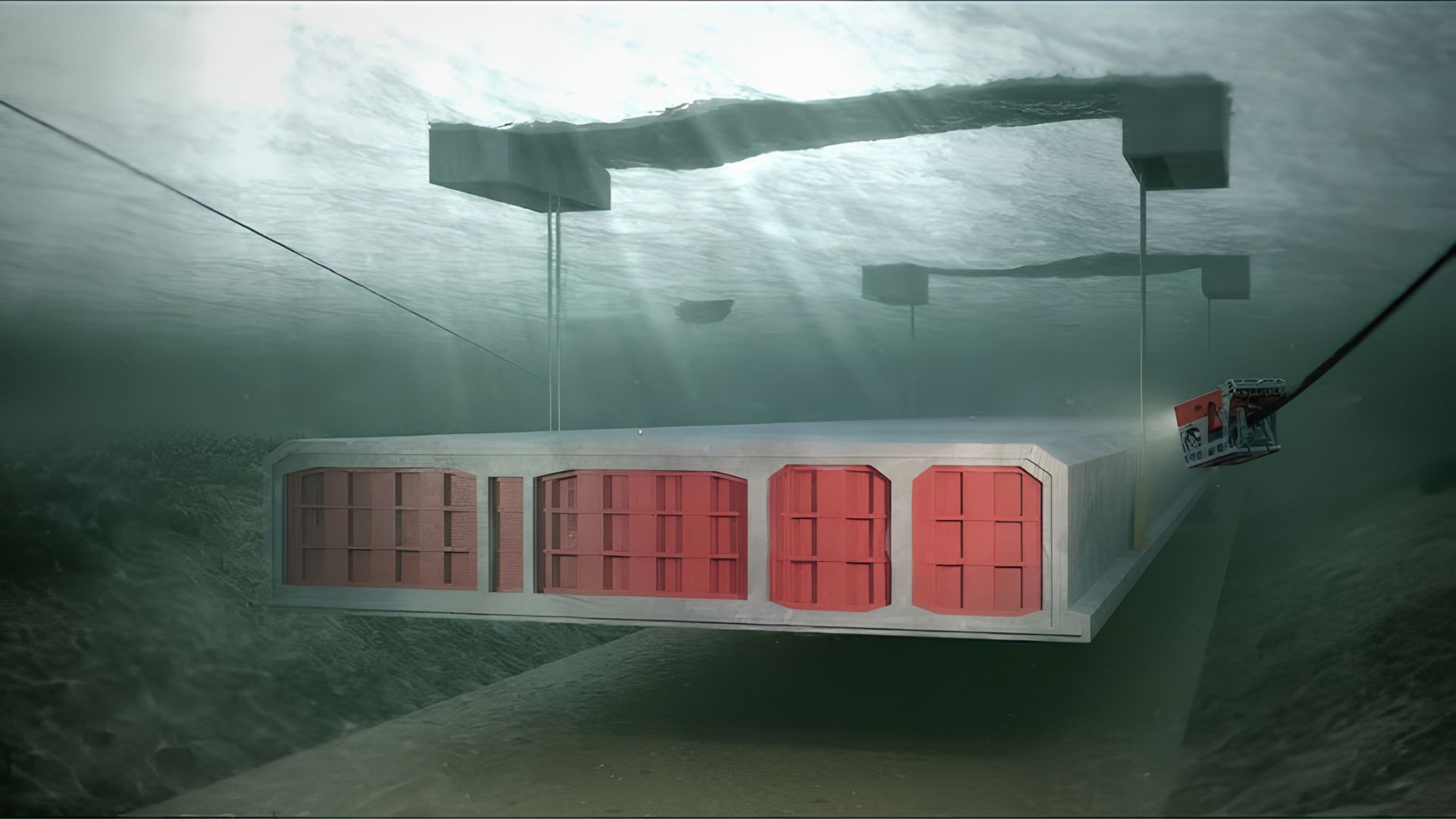
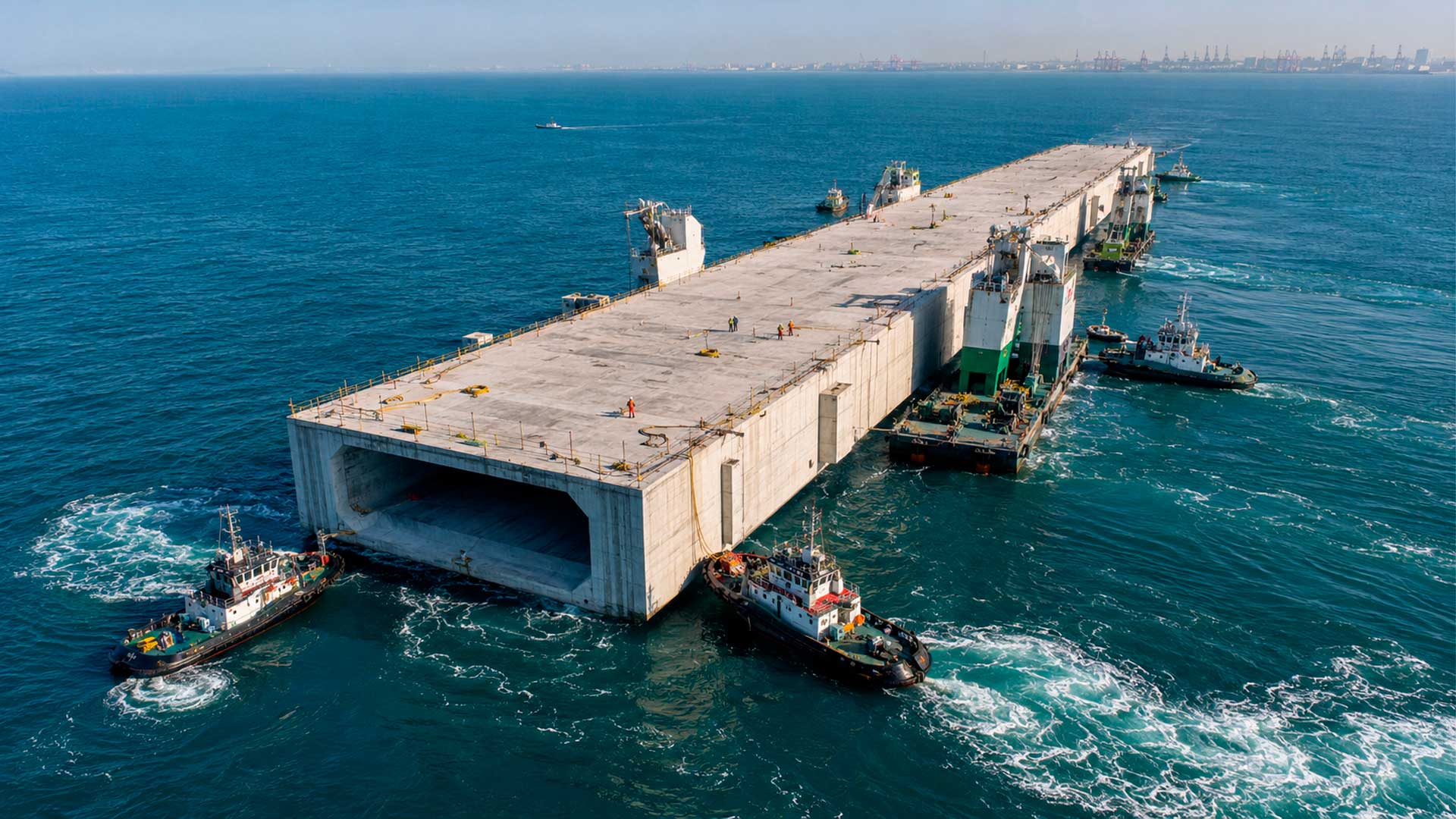
South Korea Tows 18 Concrete Blocks Weighing Up to 48,000 Tons Over 36 km to Construct a 3.2 km Underwater Tunnel Between Busan and Geoje, Installed Nearly 50 Meters Deep

-
Chinese Tianwen-2 Mission Targets Near-Earth Asteroid After 1 Billion Kilometer Journey to Collect Ancient Samples, Aiming to Uncover Clues About Water, Organic Compounds, and Solar System Origins Before Heading to a Comet
-
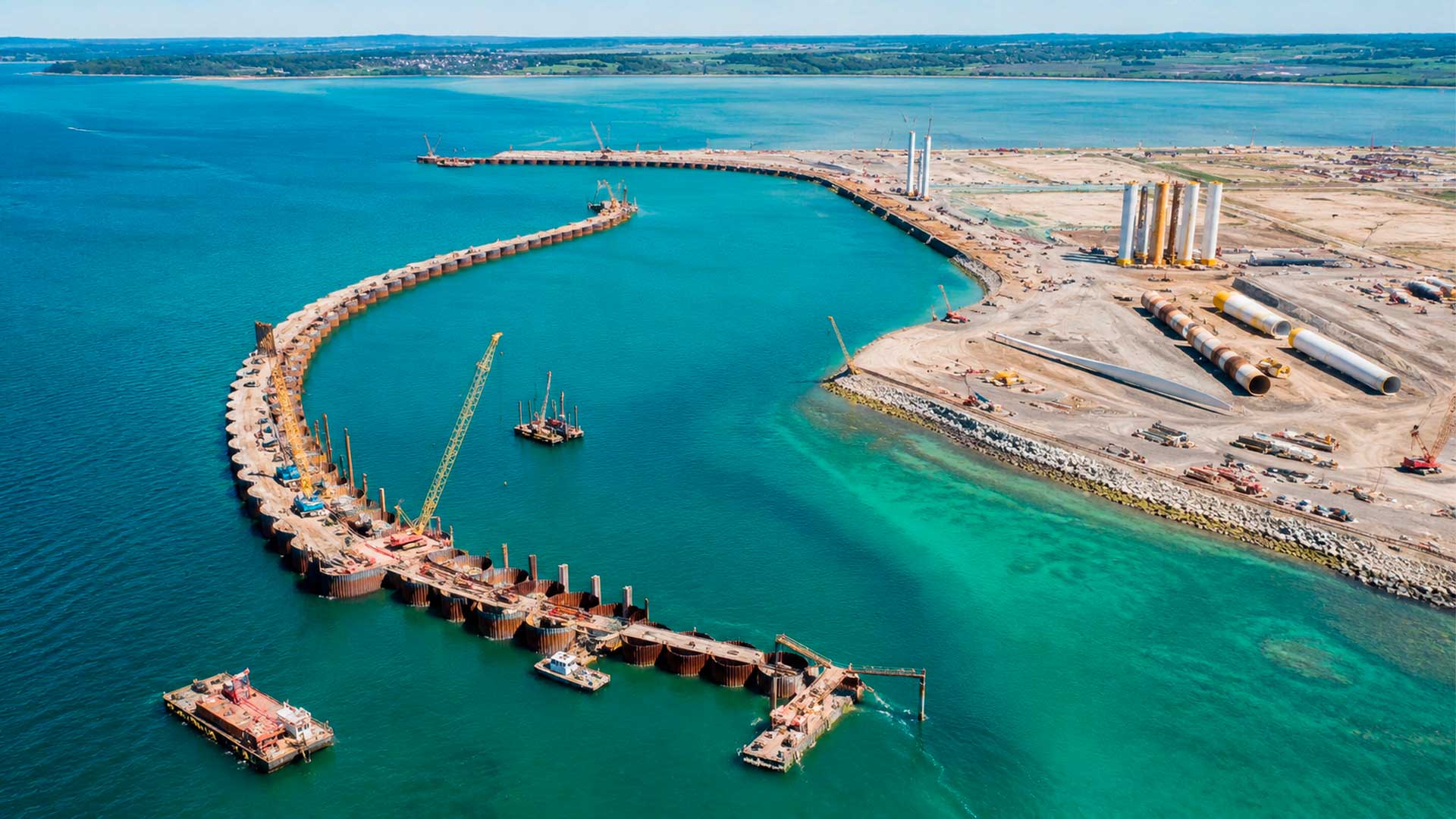
France Constructs 900-Meter Sea Wall in Brest, Expands Port by 14 Hectares for Marine Renewable Energy Hub


Over approximately two and a half years adrift in remote seas, the scientific float traveled about 300 kilometers and spent around eight to nine months beneath these two enormous ice platforms. During this period, it collected complete ocean profiles, from the seafloor to the ice base, every five days. The result was the first oceanic transect ever obtained under an East Antarctic ice platform, according to CSIRO, opening a window to a virtually inaccessible region.
How the instrument survived without GPS under the ice

Since the scientific float could not reach the surface to communicate with satellites, it was without GPS signal during the months it was trapped under the ice. Scientists feared that the equipment was lost forever, with no way of knowing where it was or if it would resurface.
The solution came from detective work. Each time the float bumped its top against the ice above it, it recorded the depth of the platform’s base, the so-called submerged ice thickness. By comparing these bumps with satellite measurements of ice thickness, the team was able to reconstruct the path the instrument had taken beneath the platforms. This is how, even without GPS, the researchers discovered exactly where each unprecedented measurement had been collected.
What the data revealed about the Denman Glacier
The nearly 200 measurements provided a clear and concerning diagnosis about the Denman Glacier. The data showed that warm water is already reaching the base of this glacier, which could melt it from below and destabilize its structure. Denman is considered one of the most critical points in East Antarctica: alone, it has the potential to contribute up to 1.5 meters to global sea level rise if it retreats unstably.
The danger lies in a subtle dynamic. Small changes in the thickness of this layer of warm water reaching the glacier’s base can significantly accelerate melting and trigger uncontrolled retreat. Glaciers today are held by the rocky bed on which they rest, but if melting from below increases, they may enter an unstable configuration where melting becomes irreversible, dumping continental ice into the ocean and raising the sea level.
The good news from the Shackleton platform
Not everything in the study is a cause for alarm, and here is an important point for balancing the information. The data collected by the scientific float showed that the Shackleton ice shelf, the northernmost in East Antarctica, is not currently exposed to warm water capable of melting it from below. In other words, for now, this specific shelf appears less vulnerable to the type of basal melting that threatens the neighboring Denman.
This contrast is precisely the type of valuable information that only direct measurements can provide. Before this float, scientists had to make estimates about the conditions beneath the shelves, as drilling through the ice is expensive and rare. One of the greatest advantages of the float, according to the researchers, is its ability to measure the properties of the thin boundary layer of water just below the ice, about 10 meters, which directly controls the melting rate.
Why this matters for sea level worldwide
Sea level rise is a threat to hundreds of millions of people living in coastal zones, low islands, deltas, and major coastal cities. And the greatest uncertainty in projections of how much the sea will rise in the future lies precisely in how much Antarctica will contribute. Therefore, direct data like those brought by this scientific float are so valuable: they help reduce uncertainties and calibrate climate models with real information.
It is worth assessing the risk: the Totten and Denman glaciers together hold enough ice to raise global sea levels by more than 5 meters if they were to melt completely. This is not an imminent scenario, but understanding the behavior of these glaciers is essential for predicting the future. The sooner science identifies risk points, the better governments can plan to protect coastal cities against sea advancement in the coming decades.
The lesson of simplicity in polar exploration
The story of this scientific float carries a lesson that goes against intuition. Instead of a sophisticated underwater robot with propulsion and artificial intelligence, it was a simple instrument, without a motor and moved by the chance of currents, that managed to reach where no other had gone before. An oceanographer not involved in the study summed it up well by calling it the incredible story of the little float that could, in the face of the vastness of such a hostile region.
In light of the success, the researchers advocate expanding the network of Argo floats and other sensors along the Antarctic continental shelf. According to the team, distributing more of these instruments would transform the understanding of the vulnerability of ice shelves to ocean changes. The discovery shows that sometimes science advances not through the complexity of technology, but through the combination of good sensors, persistence, and a good dose of luck.
The case of the scientific float that disappeared and resurfaced under the Antarctic ice is both an exploration adventure and a climate warning. It revealed unprecedented data about the threat that warm water poses to the Denman Glacier and, with that, helped science better understand one of the greatest uncertainties about the future of sea level. More than cutting-edge technology, it was the ingenuity in turning a setback into discovery that marked this mission.
Did you imagine that a simple instrument, without a motor and carried by currents, could reveal such important secrets under the Antarctic ice? Do you think the world is paying due attention to the risk of sea level rise? Leave your comment, tell us what you think about the future of glaciers, and share the article with those interested in science, climate, and polar exploration.