Portuguese
  Spanish


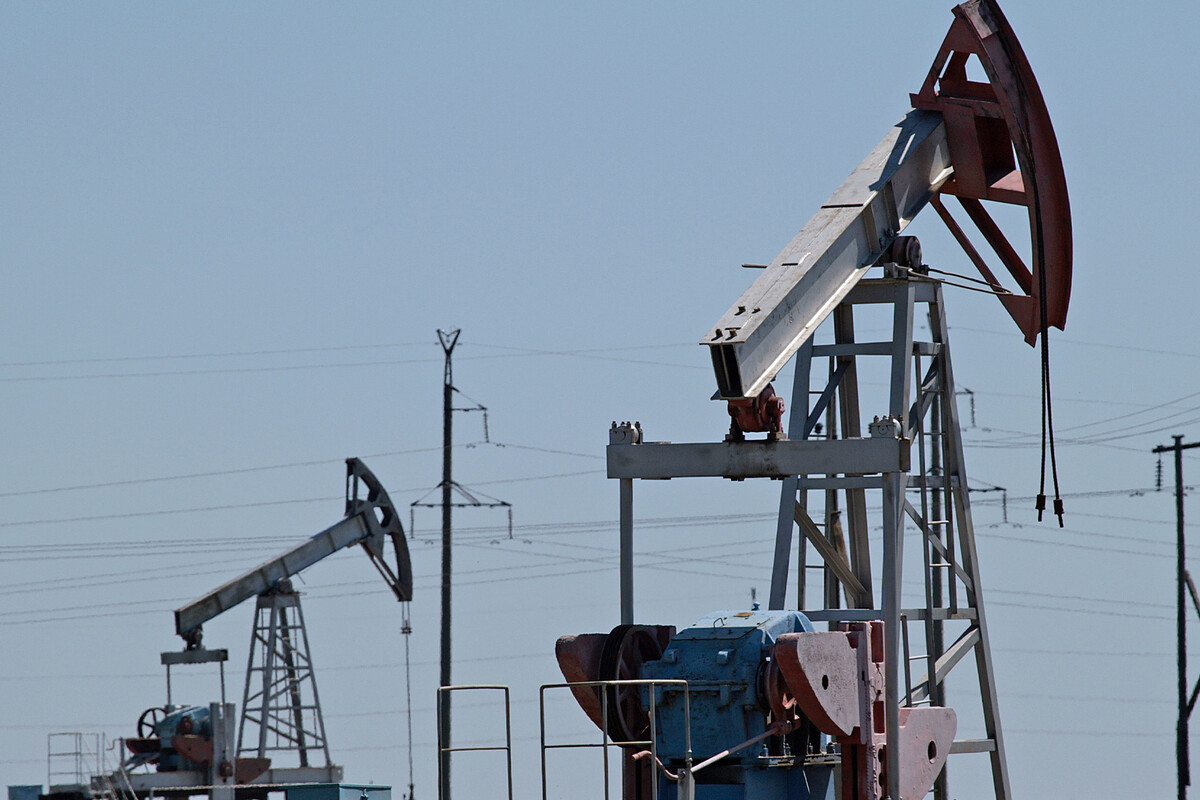

Kazakhstan Surprises by Producing Nearly Three Hundred Thousand Barrels Per Day Above OPEC Limits, Intensifying Oil Glut and Pressuring Prices, Which Have Already Fallen More than Thirteen Percent
The oil market is going through a period of great instability, driven by internal disputes within OPEC+ and production strategies by major powers outside the organization. In this scenario, Kazakhstan has taken on an unexpected role, but the situation may become even more complicated with the influence of other key players, such as the United States.
Recently, Kazakhstan has gained attention for accelerating its nuclear development in response to the growing energy shortage, approving the construction of its first nuclear power plant. At the same time, the country has also been increasing its oil production in recent weeks, significantly exceeding its quota in the OPEC+. According to recent reports, in February the country produced 1.767 million barrels per day (bpd), a significant increase from the 1.570 million bpd in January and well above the limit set by the organization, which is 1.468 million bpd.
This unexpected increase in production has generated challenges within OPEC+. The Tengiz field, operated in partnership with Chevron, has surpassed forecasts and become the most productive within the organization. This has complicated efforts to maintain balance in production and stabilize prices. To try to contain sharp declines in oil value, OPEC+ had decided to gradually increase production after years of cuts. However, with the recent drop in prices, this strategy will need to be re-evaluated. The possibility of Russia reversing its decision to increase production, coupled with internal disagreements over quotas, has created even more uncertainty in the market.
-
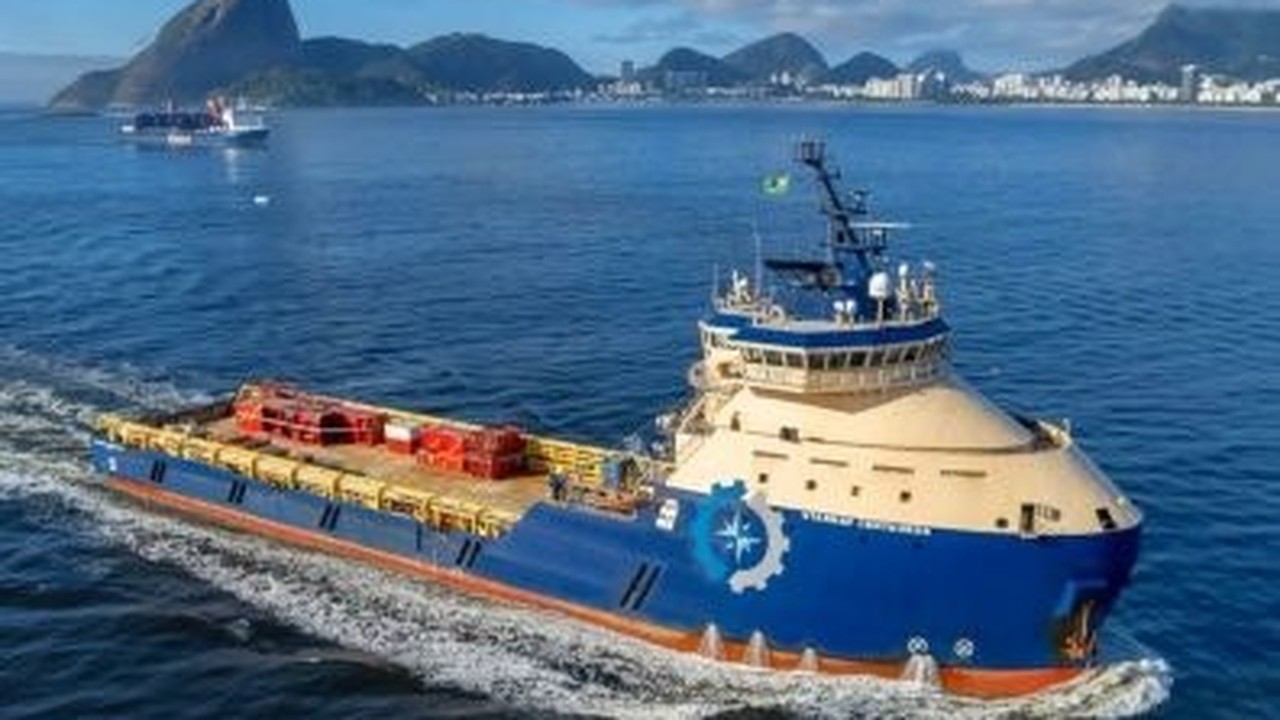
Starnav orders 10 hybrid vessels with German MTU engines in Itajaí and prepares fleet to serve Petrobras in the pre-salt for 12 years.

-
The Chamber releases R$ 10 billion to hold the price of diesel until December and proves that Brazilian fuel remains tied to Congress.
-
It’s official: Petrobras takes 75% of block 3 in São Tomé and Príncipe and debuts as an offshore operator outside South America.
-
With a record production of nearly 3 million barrels per day, Petrobras resumes importing diesel in July, highlighting the bottleneck in Brazilian refining.


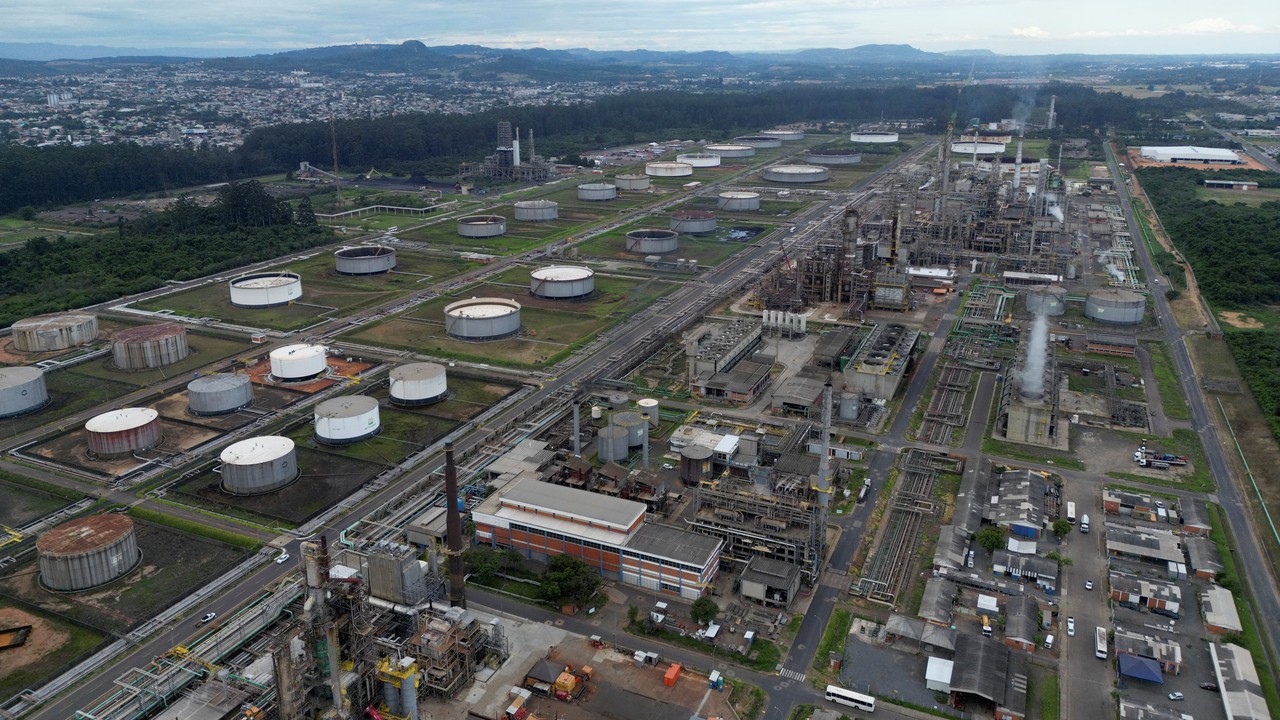
An Uncertain Outlook for the Future of Oil
The price of oil has already fallen more than 13% in recent weeks, moving away from the peaks reached in January. Although this decline is partly attributed to oversupply in the Americas and weaker demand, Kazakhstan’s role has been an additional pressure factor that may exacerbate the crisis. Its higher-than-expected production threatens the stability of OPEC+ agreements, potentially forcing an urgent review of the organization’s strategy. If corrective measures are not implemented quickly, the market may face an even more severe price crisis.
Under the Trump administration, oil production in the United States gained new momentum under the “Drill, baby, drill” policy, aimed at keeping prices below 60 dollars per barrel. Experts point out that this strategy has increased competition in an already saturated market, impacting economies that rely on oil as their primary source of revenue.
The increase in production both in Kazakhstan and the United States is creating an uncertain scenario for the energy sector. If supply continues to rise without a proportional increase in demand, prices may plummet further, harming producing countries and oil-dependent economies. The big challenge will be whether OPEC+ can control these external pressures or if the market will be dragged into an even deeper price crisis.