






 Portuguese
  Spanish
  3 min of reading
  0 comments


Industry And Experts Assert That Brazil Already Has In Its Biofuels And Bioelectrification The Necessary Tools To Reduce Greenhouse Gas Emissions And Lead The Global Energy Transition Safely And Affordably.
Brazil has in bioenergy a ready and effective solution to meet its climate ambitions and reduce greenhouse gas emissions. In a joint effort, energy producers and vehicle manufacturers advocate for the expansion of biofuels as a pathway to low-carbon mobility, not only in the national scenario but also in the international market.
Ready Answers For Decarbonization
The national industry argues that solutions such as biofuels and bioelectrification are ready to be applied. They represent a concrete path for Brazil to reduce its emissions. This message was the focus of a recent meeting in São Paulo, promoted by the Low Carbon Mobility Cooperation Agreement for Brazil (MBCBrasil). The initiative seeks to create public policies that encourage and expand the use of bioenergy in the country.
José Eduardo Luzzi, coordinator of the Board of Directors of MBCBrasil, highlights that the global energy transition faces challenges such as ensuring fair prices for consumers and security in supply. According to him, Brazilian bioenergy can deliver both.
-
Brazilian scientists are simultaneously advancing two research projects on clean hydrogen and driving solutions that could transform the energy matrix, enhance industrial competitiveness, and accelerate large-scale emission reduction targets.

-
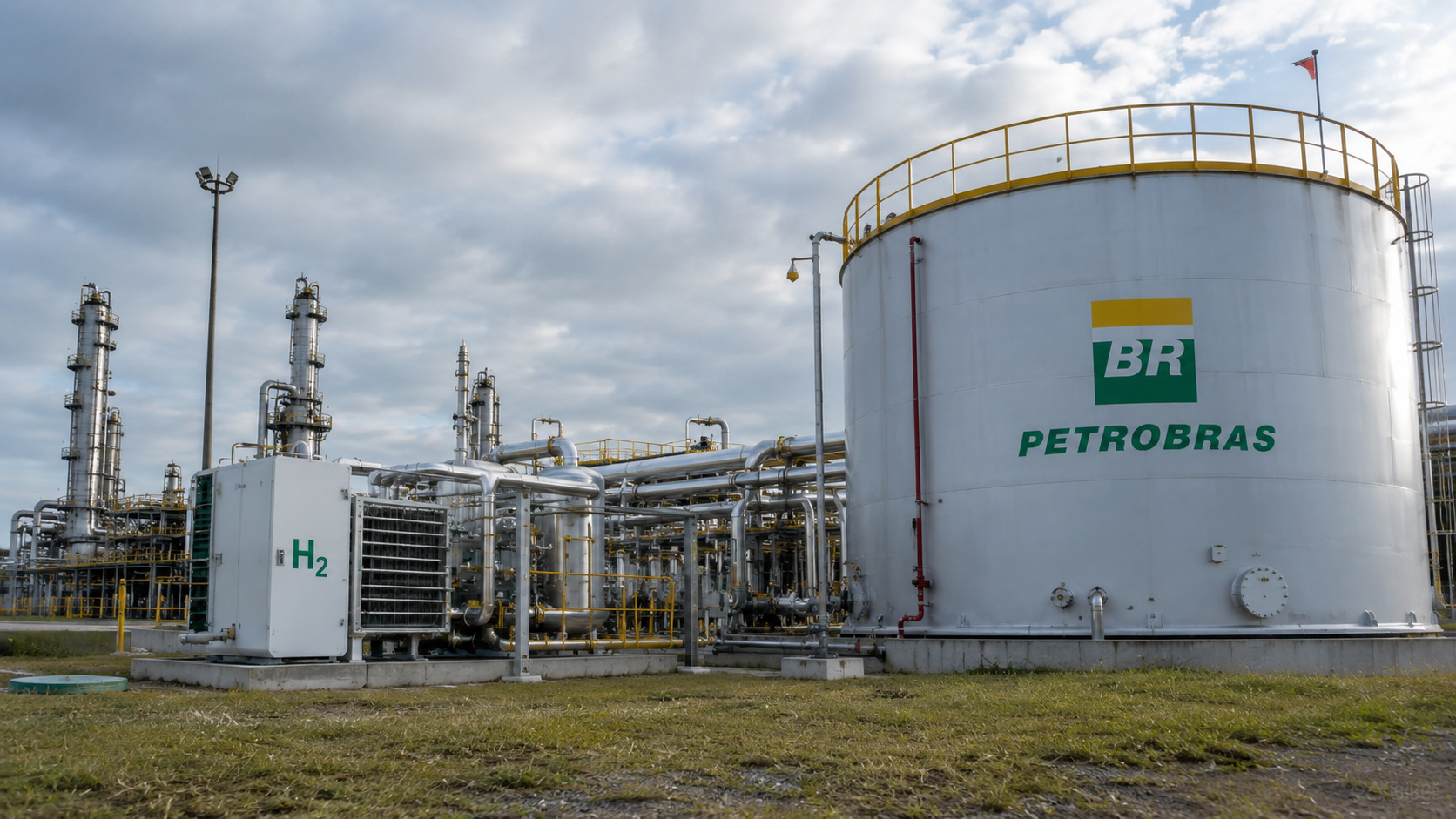
Advancement in renewable energy: A R$ 150 million project launched by Petrobras and Finep aims to create state-of-the-art electrolyzers for green hydrogen, strengthening national research and preparing Brazil to compete in a billion-dollar energy market.
-
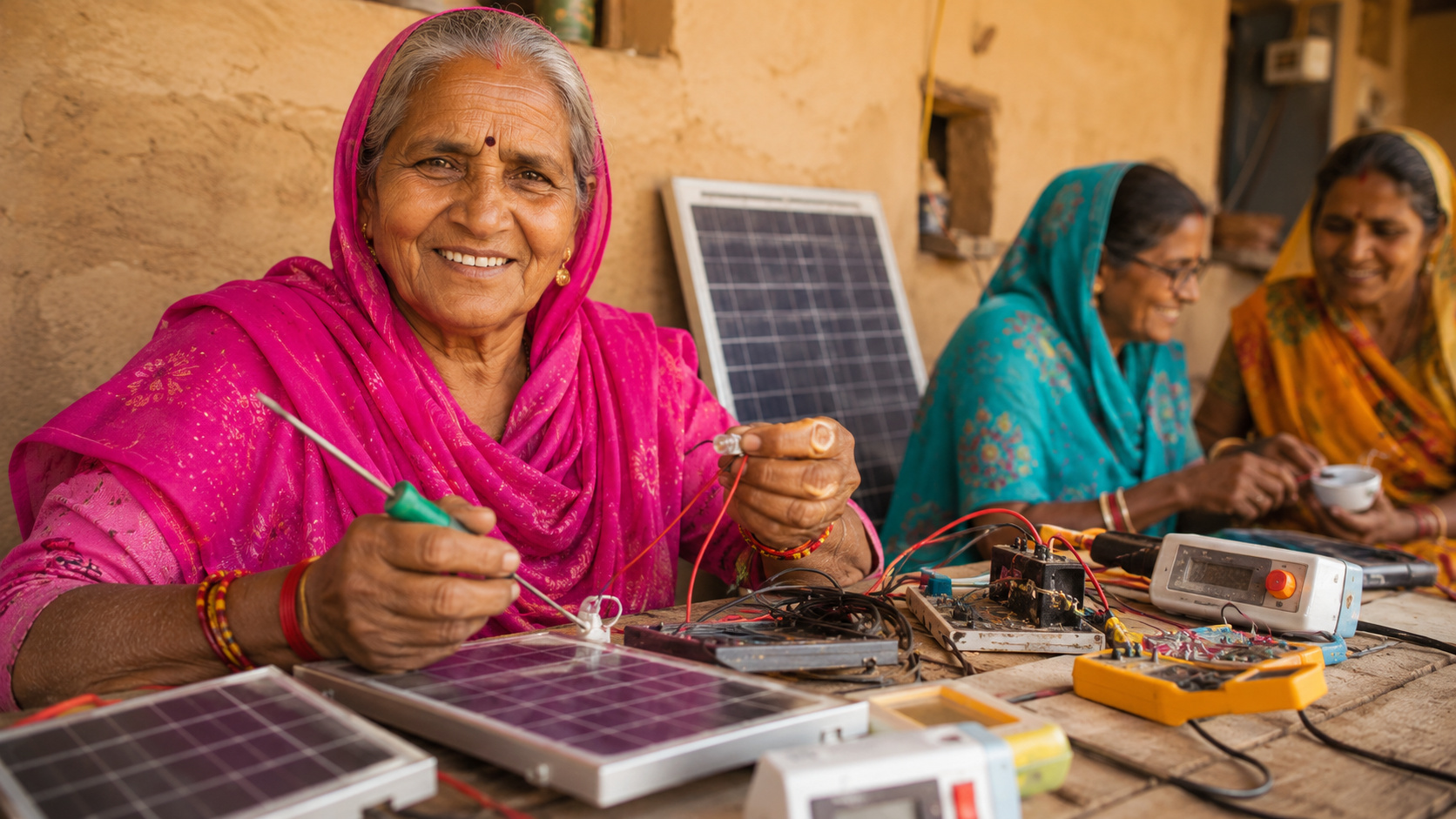
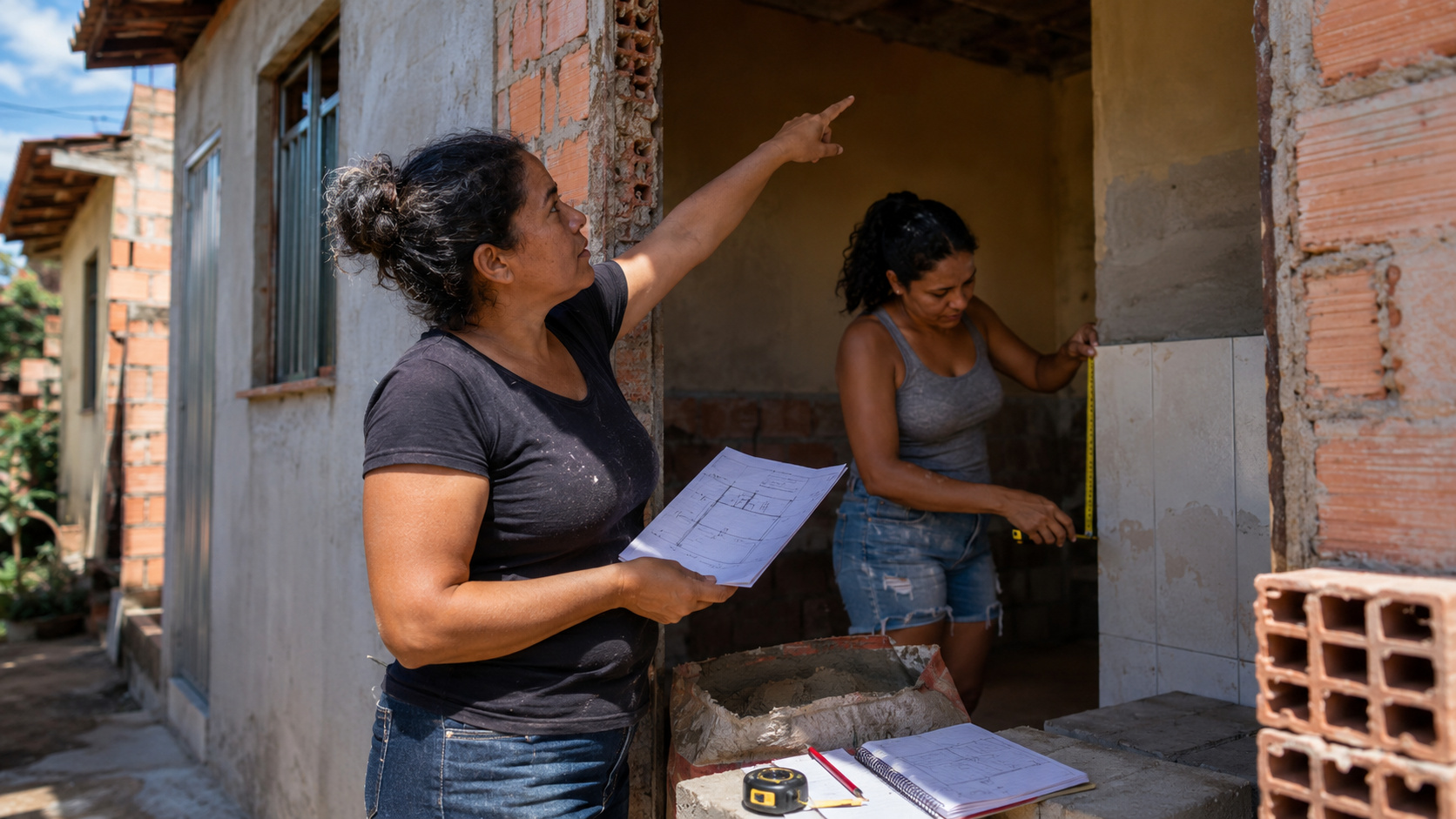
Illiterate or semi-literate grandmothers were trained to repair solar systems, open rural workshops, and light up homes that still depended on kerosene.
-
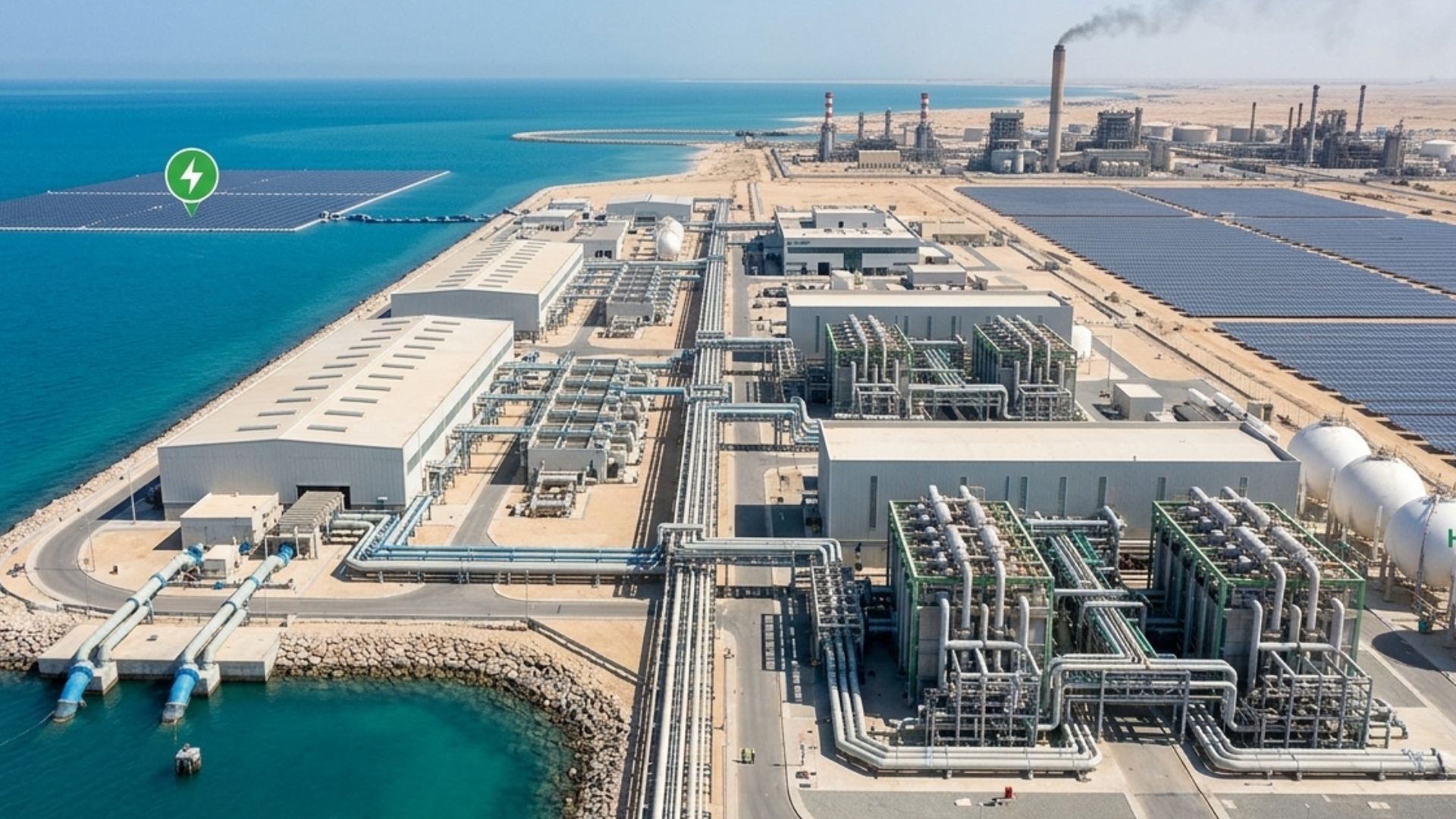
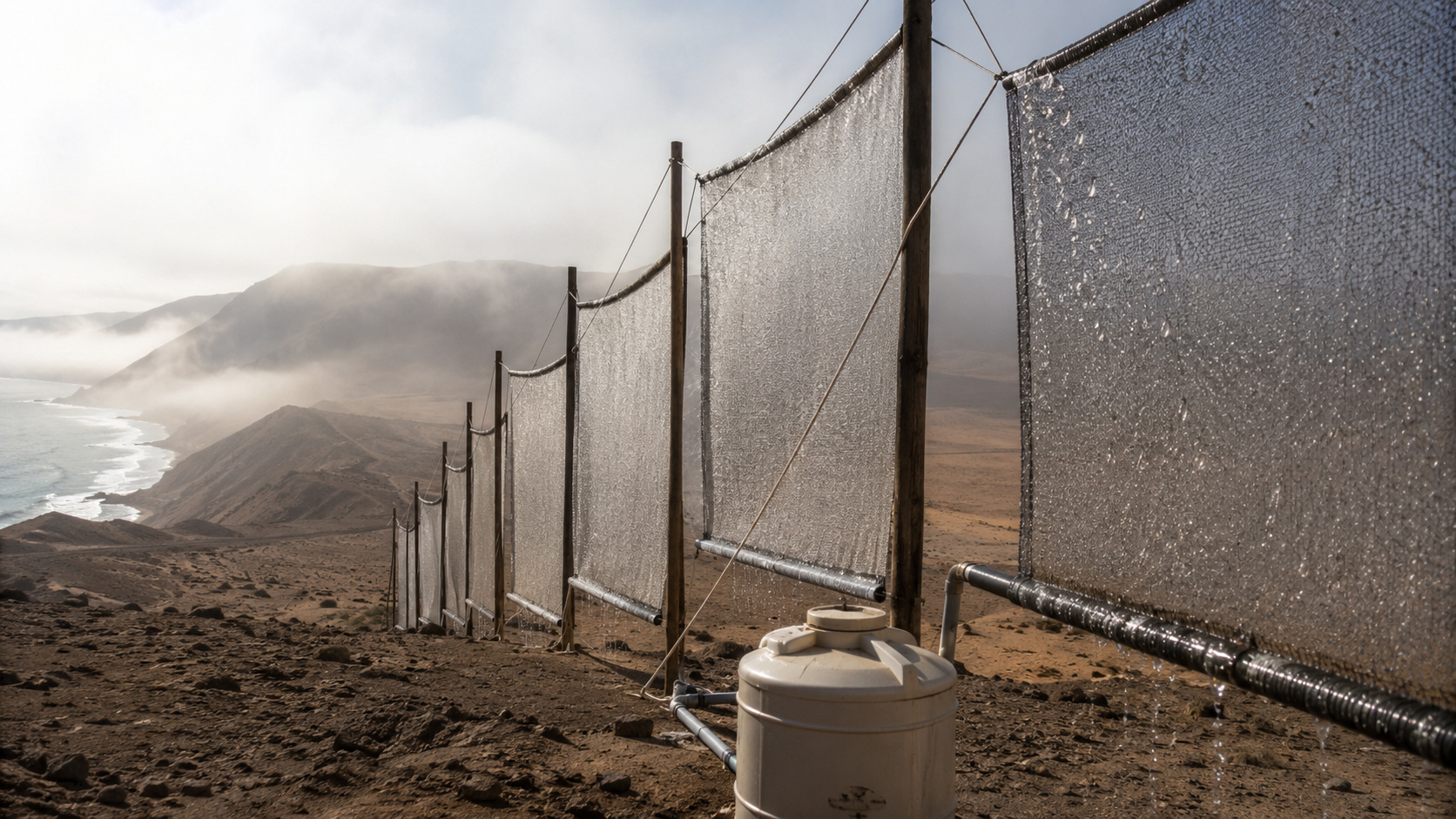
The world has bet on green hydrogen as the fuel of the future, but now faces the side effect: producing 1 kilogram requires about 9 liters of ultrapure water, and the largest projects on the planet are precisely in the driest regions of the Earth, where water is already scarce for people.


The Global Potential Of Brazilian Bioenergy
A study by the University of São Paulo (USP), led by Professor Glaucia Souza, reinforces the importance of the sector. The research points out that bioenergy already accounts for 50% of global renewable resources. For the world to reach the net-zero emissions target by 2050, its production will need to expand 2.5 times by 2030.
This advancement, which includes ethanol, biodiesel, biogas, and bioelectricity, could cut nearly 800 million tons of fossil CO2. This represents 10% of current transportation sector emissions. “Together, we can transform Brazil into a global example of how biofuels will be one of the solutions for decarbonization,” says Luzzi.
Overcoming Challenges And Taking Bioenergy To The World
One of the obstacles to expansion is overcoming accusations about the environmental impact of biomass production and the supposed competition with food production. To address this issue, Brazil has intensified its efforts in international forums.
Government, industry, and academia unite to present solid arguments in favor of a bioenergy transition. A recent example of this movement occurred at the International Maritime Organization (IMO) debate on the decarbonization of global shipping.
A Pillar For The Bioenergy Agenda
The zero deforestation policy and stringent environmental legislation are two of Brazil’s main arguments in its pro-bioenergy mission. The country plans to bring this agenda to COP30, which will be hosted in Belém.
However, the discourse may need adjustments. The approval of the new General Environmental Licensing Law, currently under discussion in the Chamber, sparks debate. Congressman Arnaldo Jardim (Cidadania/SP) assures that the project is procedural and does not reduce the rigor of environmental legislation, such as the Forest Code.
The Future Of Bioenergy In Numbers
The outlook for the sector is positive. The Energy Research Company (EPE) projects a nearly 10% drop in carbon intensity of the Brazilian road transport matrix by 2034. The projection takes into account the complete life cycle of sources such as gasoline, ethanol, diesel, and biodiesel.
The market also reacts with optimism. Copersucar, after recording a historic result, plans to invest in biomethane, expecting to add 2 to 4 million m³ per day over the next ten years. Similarly, companies like Orizon and Marquise Ambiental are investing in projects and fleets powered by biomethane, consolidating bioenergy as a viable and rapidly expanding path.
With information from Eixos.




-

1 person reacted to this.