






 Portuguese
  Spanish


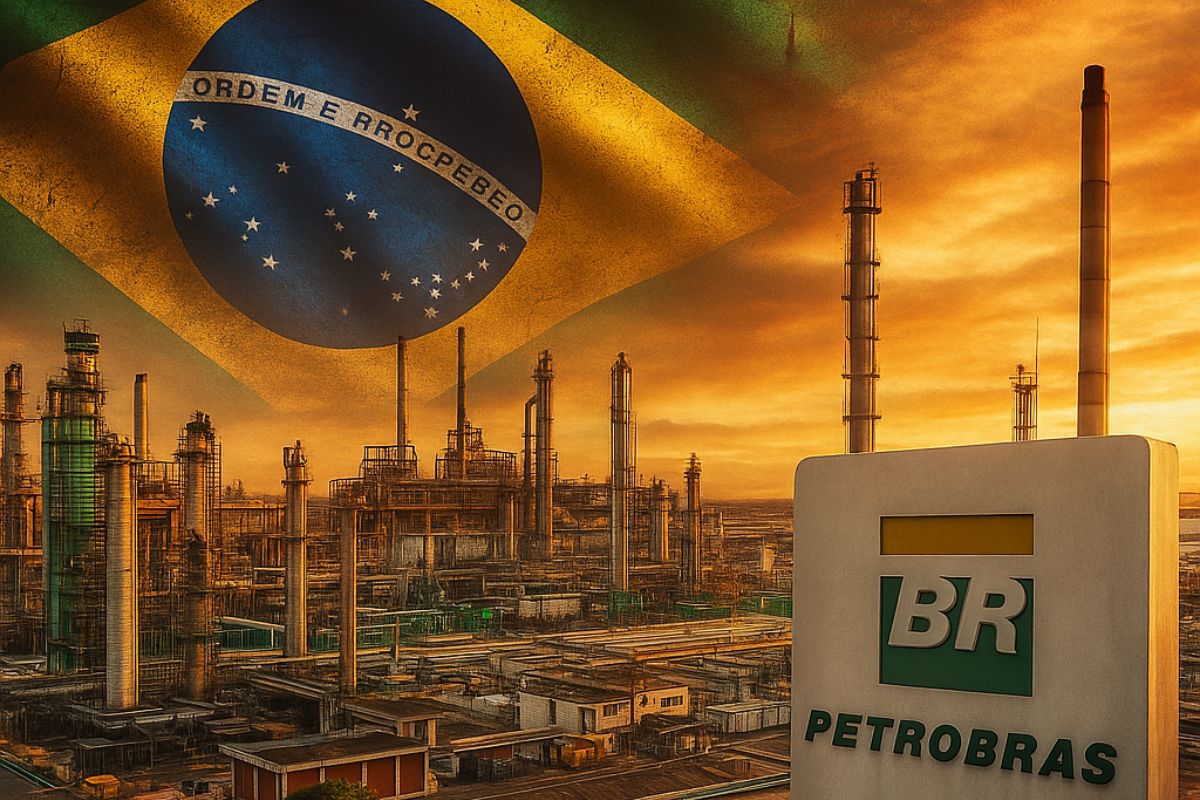

Completed in 2021, the sale of the Landulpho Alves Refinery (RLAM) to the Arab fund Mubadala was surrounded by controversies regarding the price and is now the target of a complex buyback negotiation by Petrobras itself.
The story of the sale of the first refinery of Petrobras is a billion-dollar saga, exposing the complex and, at times, contradictory strategies of the energy sector in Brazil. In November 2021, Petrobras completed the sale of the Landulpho Alves Refinery (RLAM), in Bahia, to the sovereign fund of Abu Dhabi, Mubadala Capital, for US$ 1.8 billion.
The deal, justified as a step to break the monopoly and increase competition, faced harsh criticism and, in a remarkable turnaround, Petrobras, under new political direction, is now negotiating to buy back the same asset it sold, in one of the most emblematic cases in the company’s recent history.
The Start of Divestment: The Agreement with CADE That Forced the Sale
The decision to sell the first refinery of Petrobras was not voluntary. It was the result of a Commitment Term of Cessation (TCC) signed in 2019 between the state-owned company and the Administrative Council for Economic Defense (CADE).
-
Petrobras to Double Natural Gas Supply in Northeastern Brazil with New Investment

-
Petrobras Approves $1.2 Billion Refinery in Brazil to Produce Aviation Fuel and Diesel from Plants
-
Petrobras Secures $2.2 Billion Contract to Build and Operate Four Support Vessels for Brazil’s Offshore Oil Fields
-
Oil production grows in Rio, but reserve replacement raises a warning sign


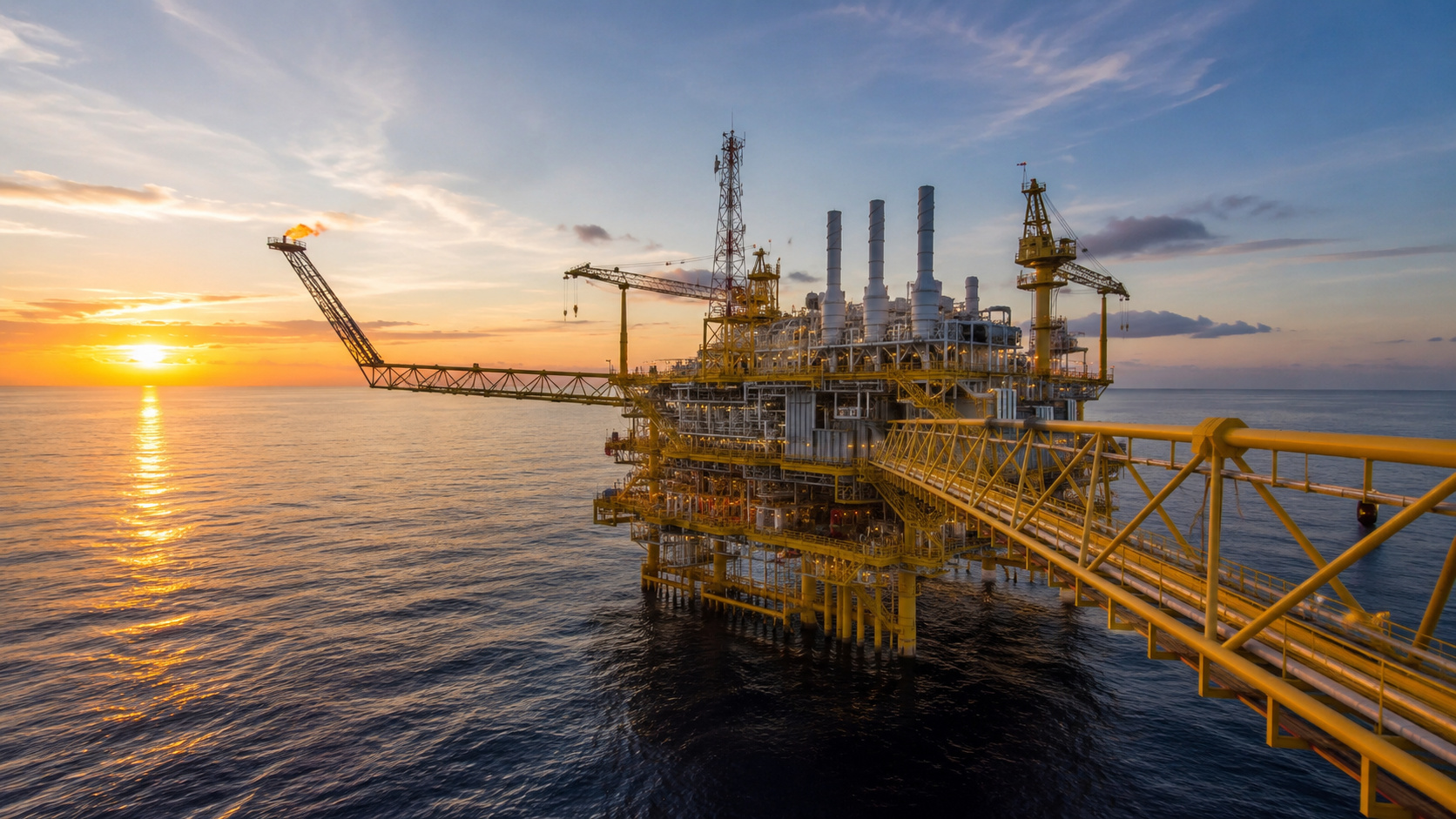
Under pressure from an investigation into market power abuse, Petrobras committed to sell eight of its refineries to reduce its dominance in the refining sector. The RLAM, Brazil’s first national refinery, inaugurated in 1950, was the first major unit to have its sale completed under this agreement.
The US$ 1.8 Billion Transaction: The Sale of RLAM to the Mubadala Fund
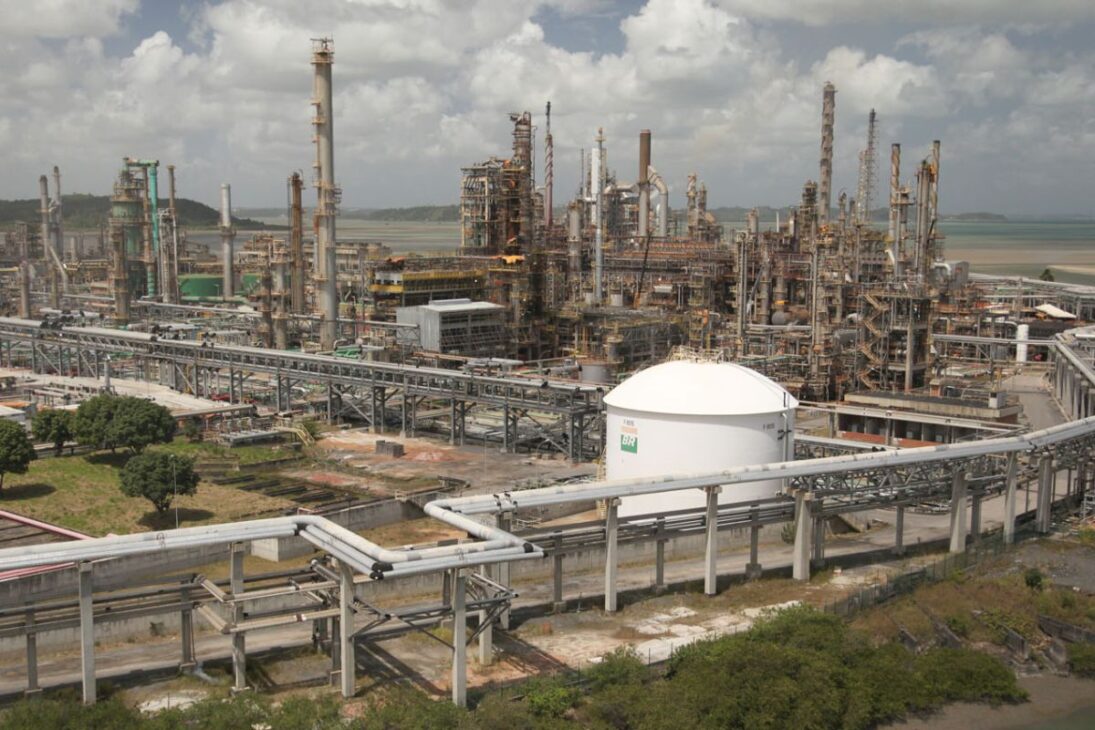
After a long process, the sales contract was signed on March 24, 2021. The buyer was the sovereign fund of Abu Dhabi, Mubadala Capital, which created a new company, Acelen, to operate the asset.
The transaction was officially completed on November 30, 2021, with a final payment totaling US$ 1.8 billion for Petrobras. The former RLAM was then renamed the Mataripe Refinery.
The Controversy of the “Unfair Price”: The Criticisms and Approval by Regulatory Agencies
The sale was immediately surrounded by controversies, mainly regarding the price. An internal assessment by Petrobras estimated the value of the refinery at US$ 3.04 billion. The final sale price of US$ 1.8 billion was nearly 50% lower, leading to accusations of selling at an “unfair price” from unions such as FUP.
Despite the allegations, the transaction was approved by regulatory bodies. CADE gave its approval in June 2021, arguing that the sale was “pro-competitive.” The Federal Court of Accounts (TCU) also deemed the accusations unfounded, validating the sale process of Petrobras.
The New Management and the Impact on Prices: The “Bahia Premium”
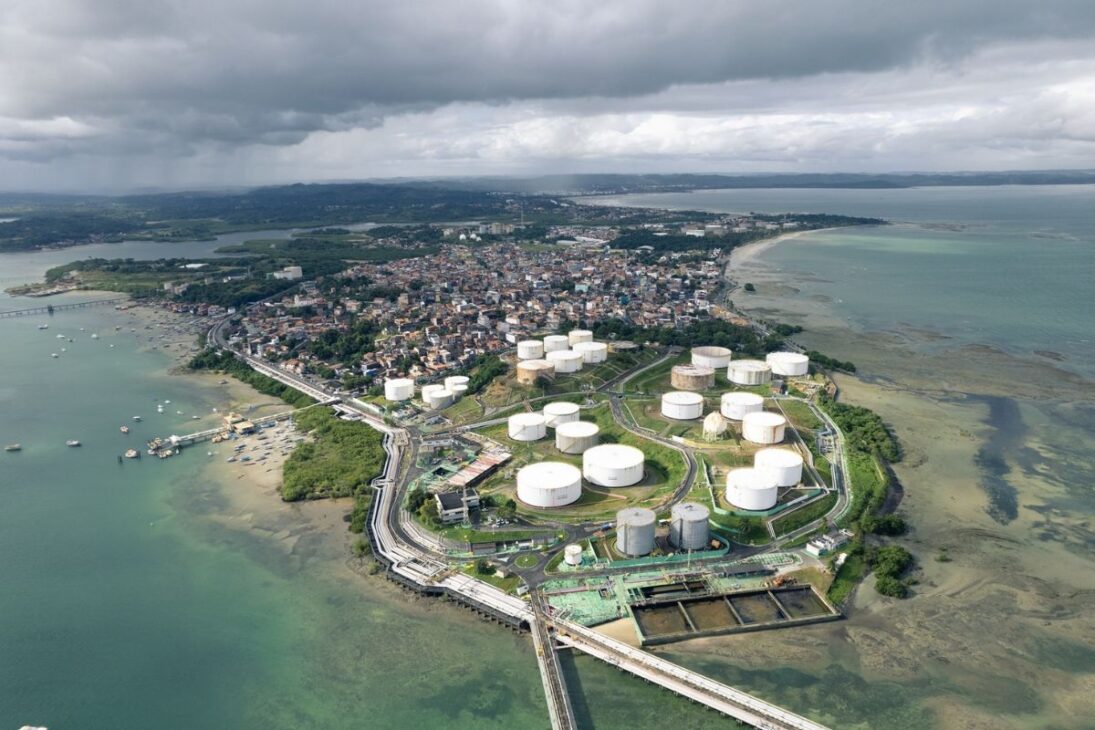
Under Acelen’s management, the Mataripe Refinery underwent an intense modernization program, with investments exceeding R$ 3 billion by mid-2024. The new management brought efficiency gains and improvements in environmental indicators.
However, Acelen adopted a pricing policy aligned with international markets. The direct consequence was the emergence of a “Bahia premium”: gasoline and diesel prices in the region served by the refinery became consistently more expensive than in the rest of Brazil, validating critics’ fears about the creation of a private monopoly.
The Turnaround of 2023: The Negotiation for Petrobras to Buy Back the Refinery
With the change of government in Brazil in 2023, Petrobras’ strategy changed radically. The new management, under the presidency of Jean Paul Prates, began to advocate for reinvestment in refining.
At the end of 2023, Mubadala formally proposed to Petrobras the initiation of negotiations for a partnership, opening the way for the buyback of the refinery. The main obstacle now is the price. Acelen argues that the newer, more efficient asset is worth much more than the US$ 1.8 billion of the original sale, creating a complex financial and political dilemma for Petrobras. In parallel, the two companies are also negotiating a partnership in a new multibillion-dollar project for a biorefinery in Bahia.


