






 Portuguese
  Spanish


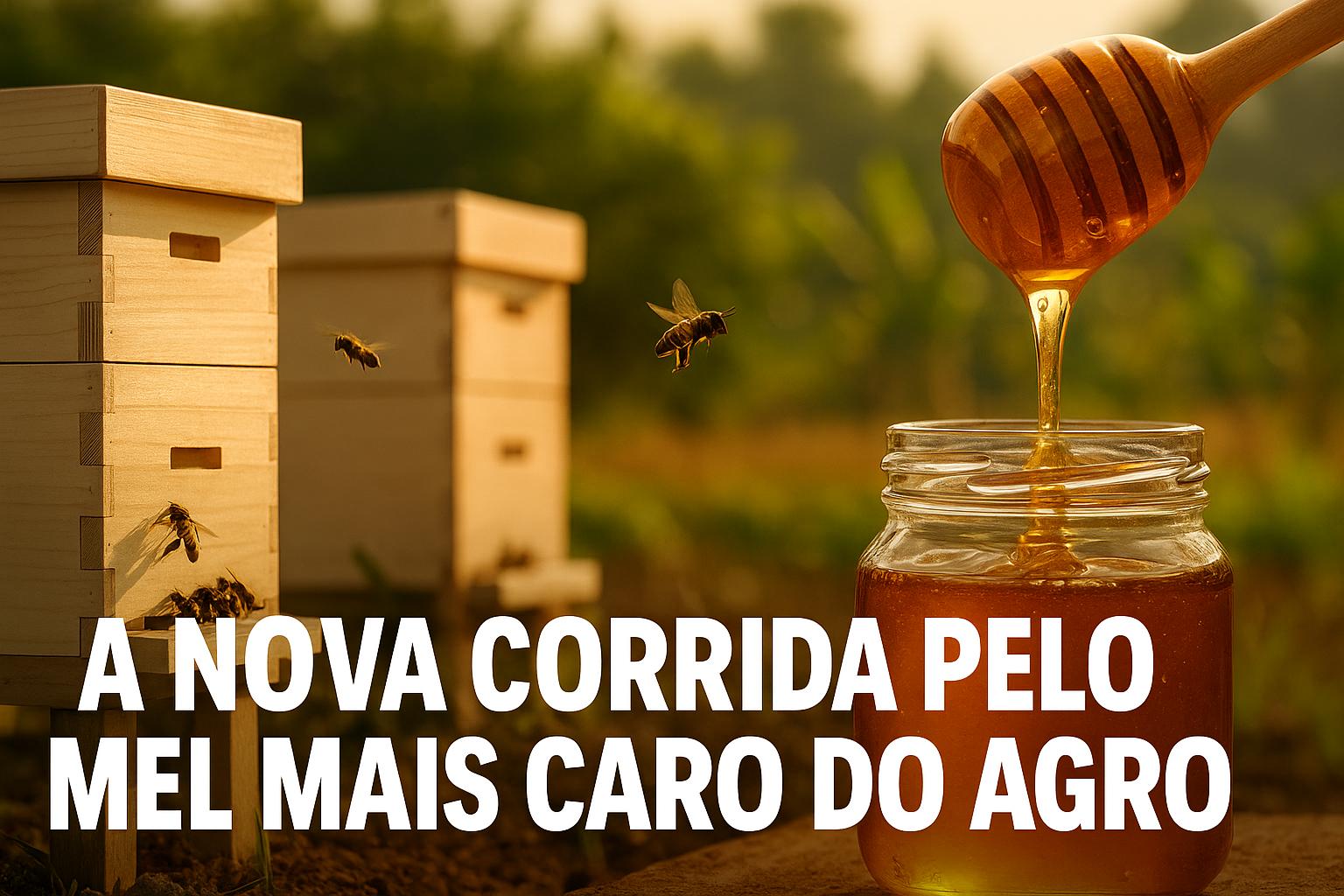


The Rare Honey of Stingless Bees Moves Colonies Worth R$ 2 Thousand and Liters That Reach R$ 800, Boosting One of the Most Valuable Markets in Brazilian Agriculture.
When Brazil began to professionalize stingless bee farming a little over two decades ago, few imagined that the tiny native bees, many of them measuring less than one centimeter, would become the protagonists of one of the most valuable markets in agriculture. In 2024, according to researchers from Embrapa, the expansion of the jandaíra, uruçu-amarela, mandaçaia, and tiúba colonies placed the country at the center of an unprecedented movement: colonies are sold for over R$ 2 thousand, and honey from these species can reach R$ 800 per liter, a value much higher than the traditional honey produced by Apis mellifera.
The figures are striking because they do not come from large farms or industrial parks, but from small producers scattered across the Northeast, Southeast, and Midwest. The supply chain has grown quietly, driven by high demand from consumers, gastronomy enthusiasts, and laboratories that use native honey in research on antibacterial properties. At the same time, the vulnerability of the species itself has elevated the value of each colony. Many of them are at risk of extinction and only survive when kept in specialized management systems.
The Growth of Stingless Bee Farming in Brazil
The farming of stingless bees became economically relevant starting in the 2000s, when federal universities and research centers began mapping native species and developing multiplication techniques. Today, it is estimated that Brazil has over 300 species of stingless bees, but only a few dozen are managed commercially.
-
After Two Years of Water Scarcity, Brazilian Farmer Finds Well on Her Land, Boosting Mango and Passion Fruit Production in Central Brazil

-
Cashew Becomes Billion-Dollar ‘Superfood’ in Ivory Coast: 1.6 Million Hectares of Monoculture Encroach on Forests as Families Trade Food for Nuts

-
In Rural Brazil, José Sirval Operates a Water-Powered Mill Grinding 125 Kilograms of Corn Daily Using His Great-Grandfather’s Century-Old Monjolo
-
From Market Stall to Agribusiness: Patagonian Fruit Grower Owns 550 Hectares and Processes 18 Million Kilos of Pears and Apples Annually, Exporting Directly to Brazil


The demand has also grown outside the country. The honey from mandaçaia and uruçu-amarela, for example, appears in international reports as one of the most aromatic products in Latin America. Unlike honey from the European bee, honey from native bees is more acidic, more fluid, and much more complex in flavor, characteristics valued by chefs.


Moreover, the product has a significantly higher content of bioactive compounds, leading studies to explore its use in medical applications, healing, and combating resistant bacteria. This technical differential has driven up the price, as the annual production per colony is very low.
Reduced Production and Specialized Management Drive Up Prices
While a traditional Apis mellifera colony produces 20 to 30 kg of honey per year, a colony of stingless bees rarely exceeds 700 grams, according to data from Embrapa Meio-Norte. In smaller species, such as jataí, the average drops to 300 grams.
This low production, combined with the difficulty of multiplying colonies, creates natural scarcity. A colony that takes months to be divided cannot be reproduced on an industrial scale, making national stock never sufficient to meet the niche market that has formed.
This is why colonies are sold as breeding stock for prices exceeding R$ 2 thousand. Honey, on the other hand, depending on the species, terroir, and volume extracted, retails between R$ 350 and R$ 800 per liter. The high price does not deter consumers; on the contrary, rarity makes many consider the product a premium item.
The Economic Valuation of Native Species
The advancement of stingless bee farming has also brought environmental benefits. Stingless bees are essential pollinators of Brazilian flora, especially in the Cerrado and Caatinga. Rational farming of these species aids in the conservation of native plants and the recovery of degraded areas.
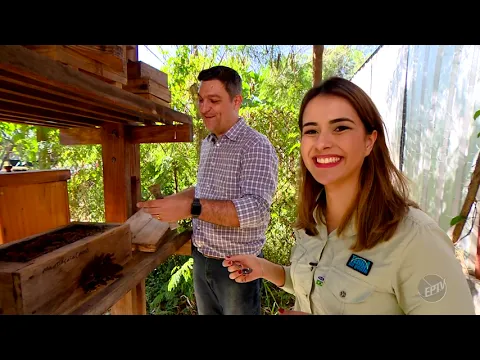
Reports from Ibama show that the predatory extraction of natural nests has dropped drastically since the market began to value certified and legally sourced colonies.
Today, producers working with mandaçaia, uruçu-amarela, and jandaíra follow state and federal management standards, and various states have already regulated the activity, including Bahia, Ceará, Paraíba, Santa Catarina, and Minas Gerais.
This formalization has generated new entrepreneurs in the interior of the country, from young people selling colonies at agroecological fairs to farmers incorporating native pollination as a supplementary source of income.
Why Is Honey So Expensive and Valued?
The honey of stingless bees has chemical characteristics that justify its high value. Studies from the Food Analysis Laboratory of UFRN confirm that species like jandaíra and tiúba have a composition rich in phenols, flavonoids, and organic acids, with strong antimicrobial action. This uniqueness has led the product to be sought after by consumers looking for medicinal honey.
Furthermore, the careful extraction of honey, usually done with syringes or micropumps, preserves the flavor and structure of the honey pots — small wax pots made by the bees. The entire process is artisanal, meticulous, and slow, which again raises the final value.
Seasonality also plays a role. Some species only produce quality honey for a few months of the year. Prolonged droughts, climate changes, and habitat loss further reduce the volume. This transforms each bottle of native honey into a scarce product, with high added value and strong commercial appeal.
Brazil Establishes Itself as an International Reference
With the advancement of regulated stingless bee farming, Brazil has become a world reference in the study of stingless bees. Researchers from USP, UFRN, UFSCar, and Embrapa lead scientific publications and participate in exchanges with Asian and European countries seeking to learn about sustainable management.
Meanwhile, the market continues to expand. Producers organize fairs, paid courses, and export knowledge. Gourmet brands are already selling tiúba honey and mandaçaia honey as luxury items in specialty stores.
All indications suggest that as the appreciation for sustainable and traceable products grows, native bees will continue to become a differentiator in Brazilian agriculture.


Realmente a região norte abriga mais de 300 espécies nativas.
Moro em Altamira, Pará e sou um aprendiz na Meliponicultura.
Tenho 40 cx de 7 espécies e estou engatinhando.
Aqui não temos ainda essa valorização toda.
Precisamos de canais pra venda,com maior valor agregado.
Finalmente valorizamos o que é nosso e tem alta qualidade!
Caro Valdemar. Grato pela sua matéria. Só acrescento que vc deveria pesquisar a região Norte, tanto em criação, produção como em pesquisa. Somos o berço das asf.
É verdade eu tenho uma bio fábrica de tiúba.