Portuguese
  Spanish


Instead of more poison, Brazilian agribusiness bets on microorganisms and biological products to combat pests, becoming a world leader in this race
Brazilian agribusiness is leading a silent revolution that puts the country ahead of the world. Instead of pouring more and more chemicals on crops, Brazilian producers have massively adopted bio-inputs, solutions made from microorganisms and natural processes to protect and nourish plants. And no one does this on such a scale as Brazil.
Bio-inputs have ceased to be a niche and have become a billion-dollar market. Sales reached R$ 6.2 billion in 2025, and the area treated with these products reached an impressive 194 million hectares. Usage here is already four times greater than the global average, a leadership few imagined.
R$ 6.2 billion and 194 million hectares
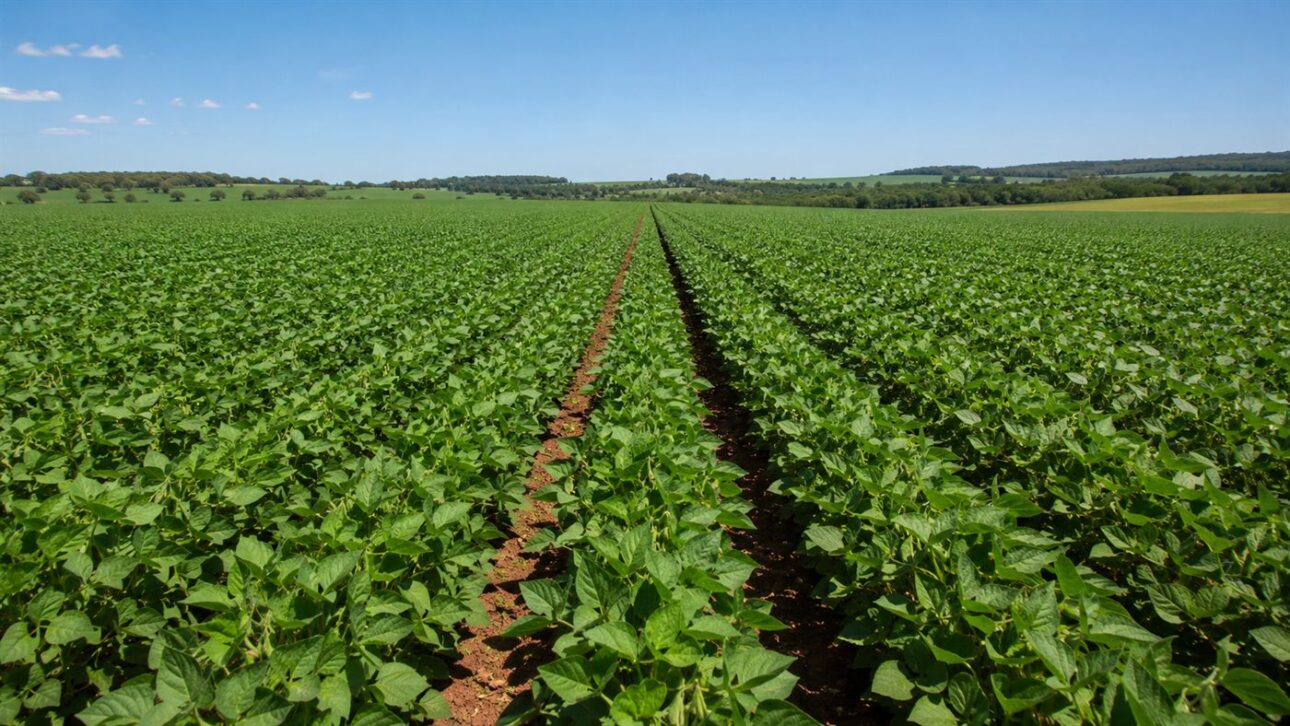
The sector’s numbers are impressive in terms of speed. According to CropLife Brasil, the bio-inputs market earned R$ 6.2 billion in 2025, a 15% growth over the previous year, while the treated area jumped 28%, reaching 194 million hectares.
-
Scientists Warn Extraterrestrial Life May Have Left Clues on Other Planets, But Humans Might Be Missing Them in Space Missions

-
Brazilian Bacteria Converts Plastic Waste into High-Quality Bioplastic

-
Son’s Journey to Care for Mother with Alzheimer’s: Finding New Ways to Preserve Memories
-
16,000-Liter Backyard Cisterns Transform Lives in Brazil’s Semi-Arid Region, Providing Reliable Water Access for Over 121,000 Families Since 2023


To put it in perspective, 194 million hectares is an area larger than many entire countries. Adoption is advancing at a rapid pace, crop by crop. When an agricultural technology grows almost 30% in cultivated area in a single year, it has stopped being a trend and has become a standard, and that’s what happened with biologicals in Brazilian fields.
Usage 4 times greater than the global average
The most surprising data is the global leadership. According to CropLife Brasil, the use of biological products in Brazil is four times higher than the global average, a rare result in any agricultural technology, where the country usually imports innovation, not exports.
This lead has an explanation. The tropical climate and large-scale agriculture created the perfect environment to quickly test and adopt these products. Getting ahead of the world in agricultural technology is quite a reversal for a country accustomed to buying from abroad, and it shows that Brazilian agribusiness has become an open-air innovation laboratory.
The solution to dependency on imported inputs
Behind the enthusiasm, there is a concrete problem that bioinputs help to solve. According to Novidades MT, Brazil imported about 85% of the fertilizers it used in 2025, equivalent to 44.8 million tons, with an annual cost exceeding US$ 25 billion.
This external dependency is a major weakness for agribusiness. When a crisis abroad spikes the price of inputs, Brazilian crops feel it financially, as in 2022, when prices rose by more than 100%. Reducing dependency on imported fertilizers and pesticides is a matter of national security for a country that relies on agriculture, and biologicals are part of this solution.
What bioinputs are, in practice
The term may sound abstract, but the products are quite tangible. Bioinputs include inoculants, which help plants absorb nutrients, as well as bioinsecticides, biofungicides, and bionematicides, which function as biological pesticides, combating insects, fungi, and other pests with living organisms or natural substances, instead of synthetic molecules.
According to CropLife Brasil, inoculants alone account for 40% of the treated area, about 77 million hectares. The central idea is to use biology itself in favor of the crops. Fighting pests with another living being, instead of just with chemicals, is working with nature rather than against it, and this is the logic that Brazilian agribusiness has embraced on an industrial scale.
Why agribusiness is switching from chemical to biological
The shift is not just environmental, it’s practical. Novidades MT points out that pests like caterpillars and whiteflies are becoming resistant to traditional chemical pesticides, forcing producers to use larger and more expensive doses, in an endless cycle.
Biologicals come in as an alternative that pests find harder to evade, in addition to reducing residues in food and soil. Add to this the cost of imported inputs, and the equation starts to make sense. When the pesticide stops working and is still expensive, producers look for another solution, and bioinputs have arrived at the right time to fill this gap.
Where bioinputs are growing the most
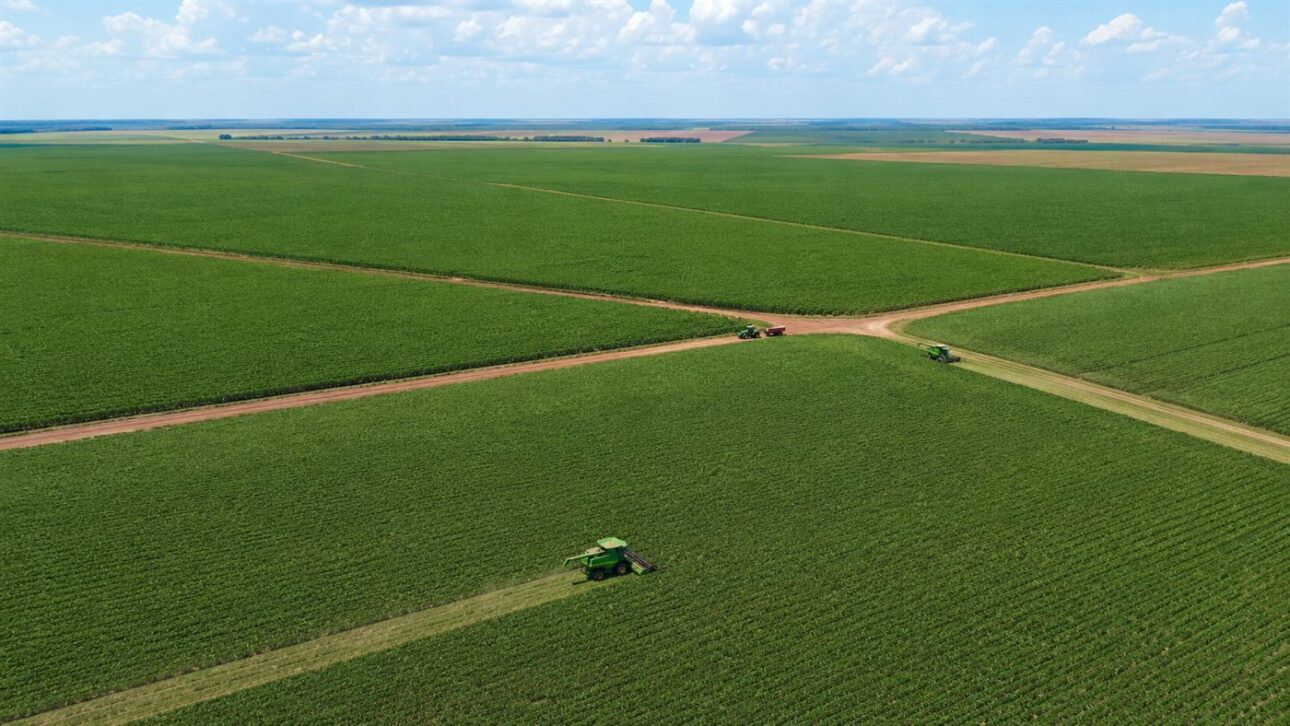
The adoption has a well-defined geography. According to CropLife Brasil, soybeans account for 62% of the use of bio-inputs, followed by corn with 22%, and sugarcane with 10%, precisely the largest crops in the country by planted area.
Among the states, Mato Grosso is the largest market, followed by São Paulo and Goiás, reflecting the importance of the Cerrado in national production. The large grain crops are the driving force behind this biological revolution, because it is in them that scale gain and cost reduction make the most difference on the bottom line.
A global market of US$ 33 billion ahead
The potential goes far beyond Brazilian borders. Novidades MT cites projections that the global biological market will jump from around US$ 11.7 billion in 2022 to US$ 33.7 billion by 2030, and Brazil wants to ride this wave in leadership.
As the country already dominates the technology in the field, there is a chance to become not only a consumer but also an exporter of solutions and knowledge. Leading the use is the first step to leading the industry, and transforming farm expertise into products sold worldwide is the sector’s next goal.
What still hinders full adoption
Despite the progress, not everything is resolved. There is a lack of standardization, more research, and technical guidance for the producer to use biologicals correctly, since they require different management from chemicals. Homemade production on the farm itself, without quality control, is also a concern.
The question remains whether Brazil will be able to transform leadership in use into leadership in the industry, creating its own companies and technology. Did you imagine that the country many associate with heavy pesticide use is, at the same time, the world leader in combating pests with biology?