Portuguese
  Spanish





Esmeralda Bahia: The Giant That Returns to Brazil
The Esmeralda Bahia is a stone of extraordinary proportions, gaining prominence for its grandeur and historical relevance. Weighing nearly 400 kilograms, this gemstone was mined from a deposit in northeastern Brazil and valued at around 5 billion reais. After a long legal dispute, the U.S. courts have finally ordered its repatriation to Brazil, marking a significant victory for the preservation of national heritage.
Esmeralda Bahia is recognized for the authenticity of its composition and the significance of its discovery. Its return represents a milestone in the fight against illegal mining and the illegal export of the country’s mineral resources.

Repatriation: A Victory for Brazilian Heritage
The U.S. court’s decision to return the Esmeralda Bahia to Brazil symbolizes an important achievement in the preservation of the country’s cultural and mineral heritage. Rendered by the District Court of Columbia, the ruling responds to a request from the Federal Regional Court of the 3rd Region (TRF3), which argued that the stone’s export violated Brazilian mining laws. Now, the U.S. Department of Justice has until December 6 to formalize the repatriation.
-
China could reduce iron ore imports from 80% to 50% of consumption by 2030, while its share in global steel production falls from 52% to 46%, in a shift that could reshape the global market, says CMRG.

-
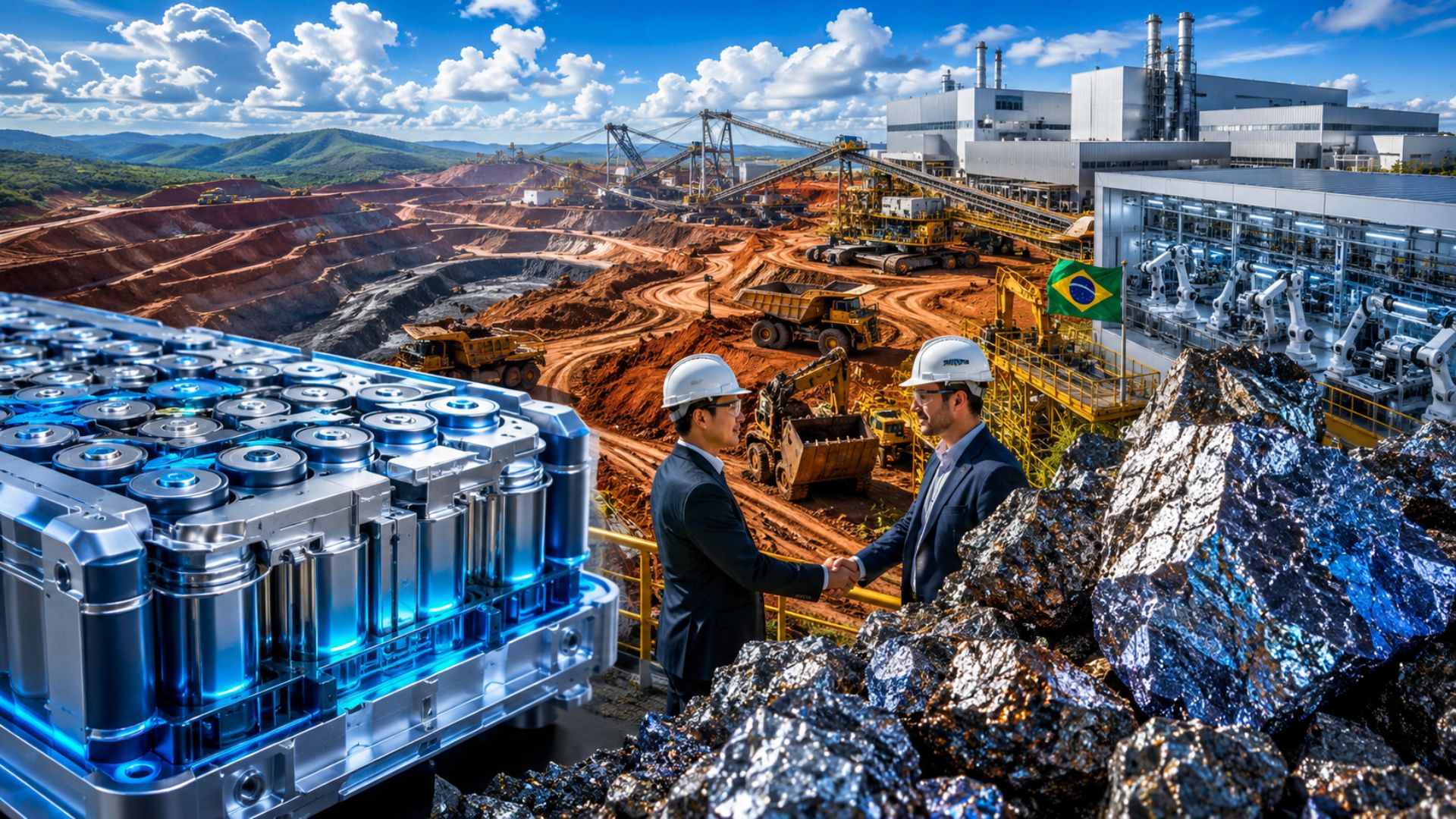
Brazil is sitting on one of the largest lithium reserves in the world, in the Jequitinhonha Valley, but national mining has almost become an appendage of China: 97% of the metal’s export goes to a single country, which also dominates refining.
-
Iron ore falls to 762 yuan in China as real estate sales decline and steel production hits lowest level since 2018
-
Brazil has minerals, clean energy, and a waiting market, but it could miss a billion-dollar opportunity if it doesn’t speed up the race for green minerals, while the steel industry seeks to reduce emissions.


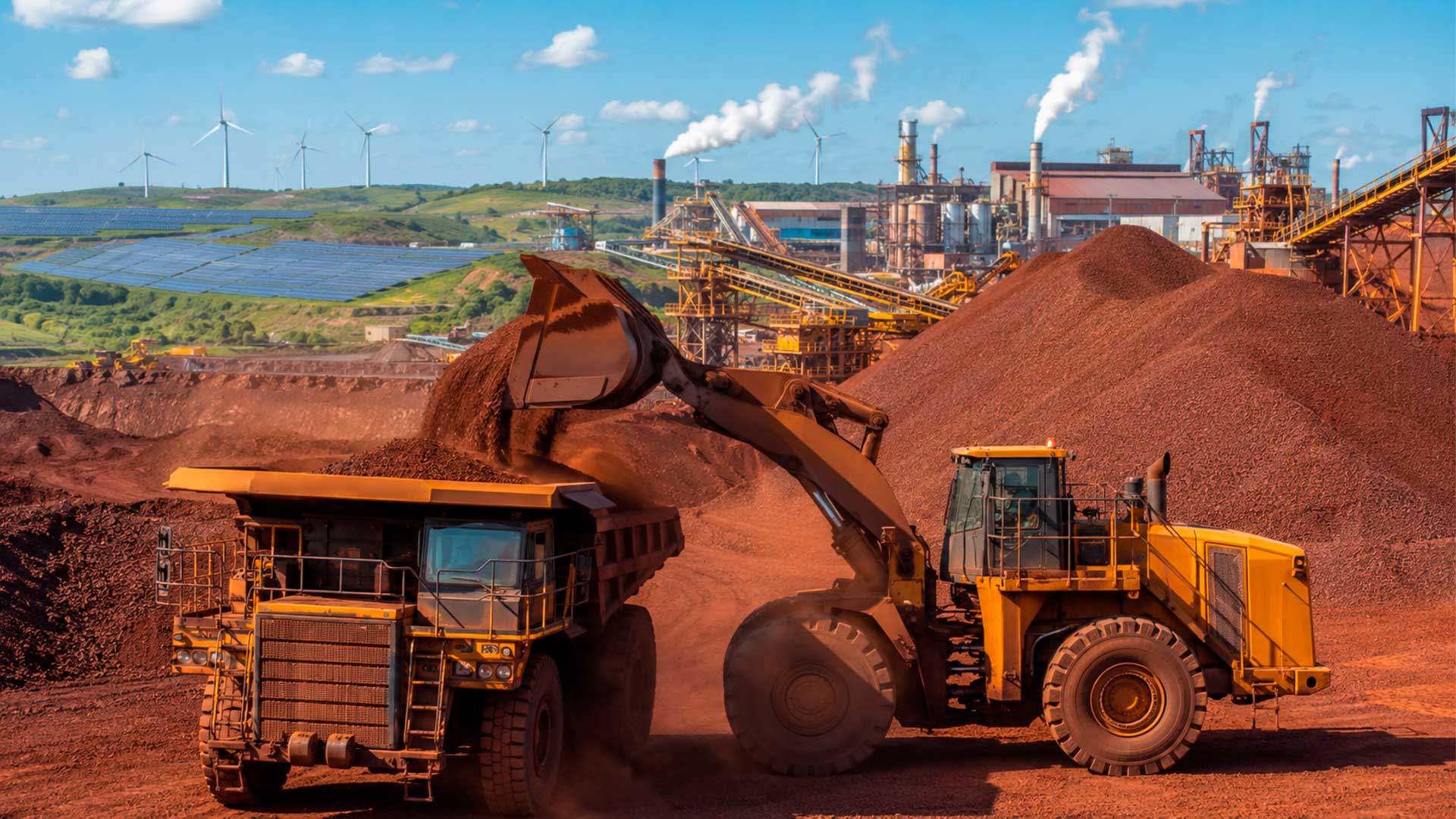
This victory reflects Brazil’s efforts to recover historically valuable assets and the importance of northeastern deposits as a source of mineral wealth. Bahia, in particular, reinforces its position as a cradle of natural treasures, standing out in the global gemstone mining scene.


The Importance of Bahia in the Mineral Landscape
The northeastern region of Brazil, particularly Bahia, is globally recognized for its abundance of high-quality deposits. In addition to the Esmeralda Bahia, the region hosts various deposits of valuable minerals and rare earth elements that feed the jewelry industry and attract international interest.
However, this natural wealth also makes the area vulnerable to illegal mining and illegal exportation. These challenges underscore the need for greater oversight and public policies that protect Brazil’s natural resources and promote sustainable mining practices.
The Impact of Illegal Mining in Brazil
The case of the Esmeralda Bahia highlights a recurring problem in the Brazilian mineral sector: illegal mining. The country’s northeast, rich in gemstone deposits, faces historical challenges with the illegal extraction and export of valuable resources. These practices not only compromise cultural heritage but also cause significant economic losses to the country.
The Attorney General’s Office (AGU) reaffirms Brazil’s commitment to combat illegal mining and ensure that resources extracted from national deposits are used legitimately. The repatriation of the Esmeralda Bahia symbolizes progress in this fight, reinforcing the importance of protecting Brazil’s natural wealth.