Portuguese
  Spanish


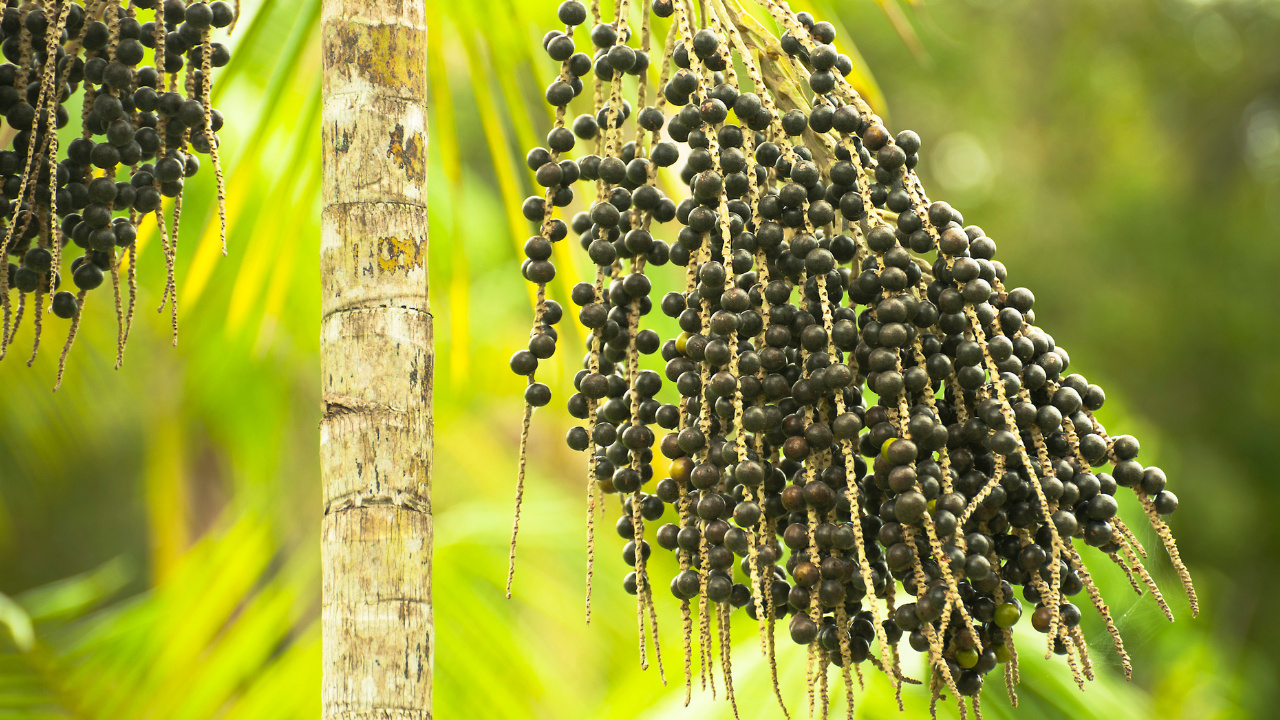

Learn Why Açaí Conquered Brazil and the World. Understand Its Nutritional Benefits, Health Impact, and Economic Importance for Rural Producers.
Açaí, the fruit of the Euterpe oleracea palm tree, is a symbol of the Amazon that has crossed borders. Present in the daily lives of millions of Brazilians, it has also gained space in the international market.
The state of Pará leads production in the country, accounting for approximately 90% of the national volume. According to data from the Amazon Foundation for Research and Studies (FAPESPA), nine municipalities in Pará concentrate most of the production, reinforcing the fruit’s relevance to the region.
Brazil is still the world’s largest producer, with Pará exporting over 61 thousand tons per year.
-
Brazilian Airport to Receive $2.8 Million Investment, Completion Expected Within a Year

-
UN Warns of AI’s Environmental Impact and Calls for Greater Corporate Transparency

-
Former Atacadão Employee Turns Online Cake-Baking Lessons into a Confectionery Brand with Factory, Store, Delivery, and Nearly $400,000 in Revenue
-
Brazilian Startup Sells Nearly 9 Million Surprise Bags of Near-Expiry Food, Prevents Thousands of Tons of Waste, Aiming for $42 Million Revenue by 2026




Socioeconomic Development Driven by Açaí
The açaí production chain not only strengthens the Amazonian economy but also plays a crucial role in keeping people in rural areas. Small producers find in the fruit a source of income that helps reduce rural exodus.
Moreover, the cultivation and commercialization of açaí promote regional development, generating jobs and strengthening local communities.
Production has been consistently growing: between 2015 and 2022, the Brazilian Institute of Geography and Statistics (IBGE) recorded an average annual increase of 6.8%.
Health Benefits of Açaí
Açaí is considered a superfood due to its rich nutritional composition. It provides fiber, healthy fats like omega 6 and 9, as well as vitamins E and C and minerals such as iron, calcium, and potassium.
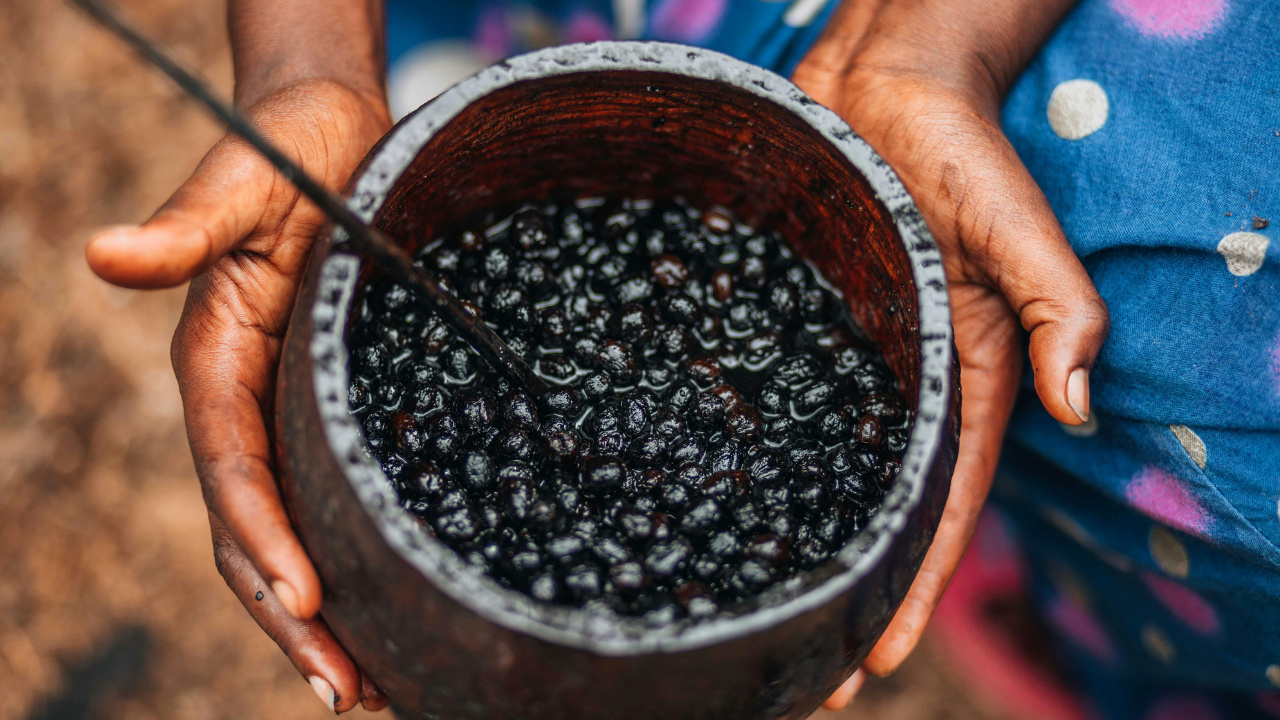
One of the main highlights is the high concentration of anthocyanins, which give it its intense purple color and have powerful antioxidant effects.
Research from the Federal University of Santa Catarina (UFSC) indicates that regular consumption of açaí can help reduce oxidative stress and inflammation in the body, factors associated with chronic diseases.
Açaí as an Economic and Functional Asset
The appeal of açaí as a healthy food increases its value in the market. This scenario allows producers to explore premium niches, where prices are more attractive.
In addition to fresh consumption, the fruit also gains space in other segments, such as cosmetics and pharmaceuticals.
Its versatility opens opportunities for new businesses and production diversification, whether in the form of frozen pulps, juices, sweets, or organic products.
The potential of açaí is not limited to Brazil. With the increasing demand for natural products, producers are investing in certifications and cooperatives to reach new markets.
Despite logistical challenges and the need for quality standardization, innovations such as improvements in the cold chain are enhancing the competitiveness of the sector.
For those betting on quality and diversification, the outlook is promising, both in the domestic and international markets.