Portuguese
  Spanish


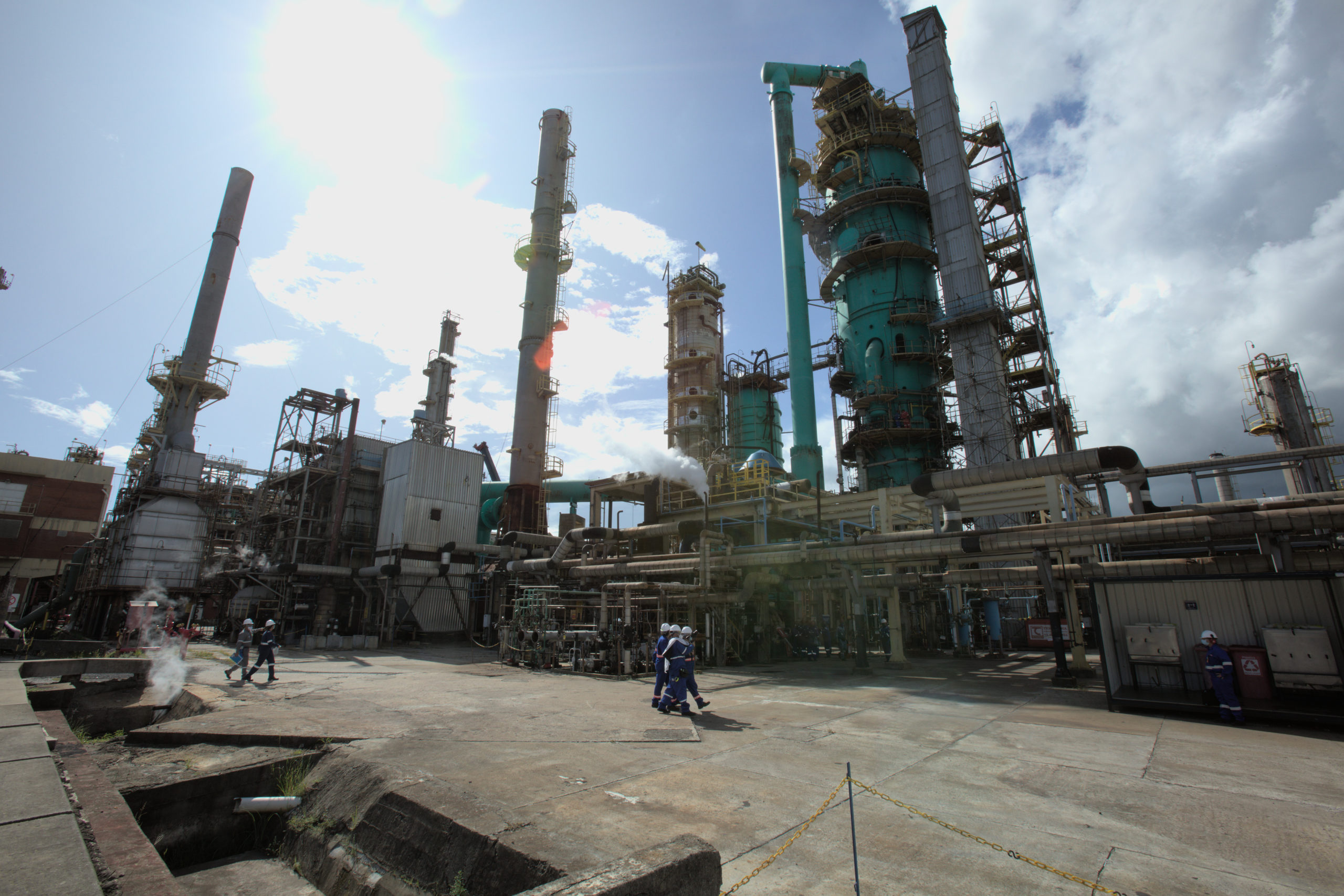

The Drop in International Fuel Prices Led Acelen to Also Reduce the National Prices of Its Products. While Diesel Saw a 10% Reduction in Its Value, Gasoline Reduced 5% in the Final Pass-Through to Distributors.
The fuel sector continues to stabilize and seeks ways to keep up with the international scenario in recent weeks. For this Wednesday, (12/14), the Mataripe Refinery, an important asset of Acelen located in the state of Bahia, announced a price reduction on its products. The value of gasoline passed on to distributors was reduced by 5%, while diesel suffered a 10% drop in prices. There is still no forecast of benefits to the final consumer with the new adjustments.
Mataripe Refinery Monitors International Market and Adjusts Gasoline and Diesel Prices, Reducing Values Passed on to Distributors
Over the past few months, the international fuel market has been stabilizing more and more. With the drop in oil prices being visible among a large part of global players.
In this way, several companies in the national market seek to follow the trend and adapt to the adjustments made by oil producers.
-
It’s official: Petrobras takes 75% of block 3 in São Tomé and Príncipe and debuts as an offshore operator outside South America.

-
With a record production of nearly 3 million barrels per day, Petrobras resumes importing diesel in July, highlighting the bottleneck in Brazilian refining.
-
Qantas and Airbus Invest in Company Aiming to Convert Unsorted Household Trash into Jet Fuel

-
Brazil’s ANP Opens 86 New Oil Blocks in the Equatorial Margin, Expanding the Amazon River Mouth Frontier


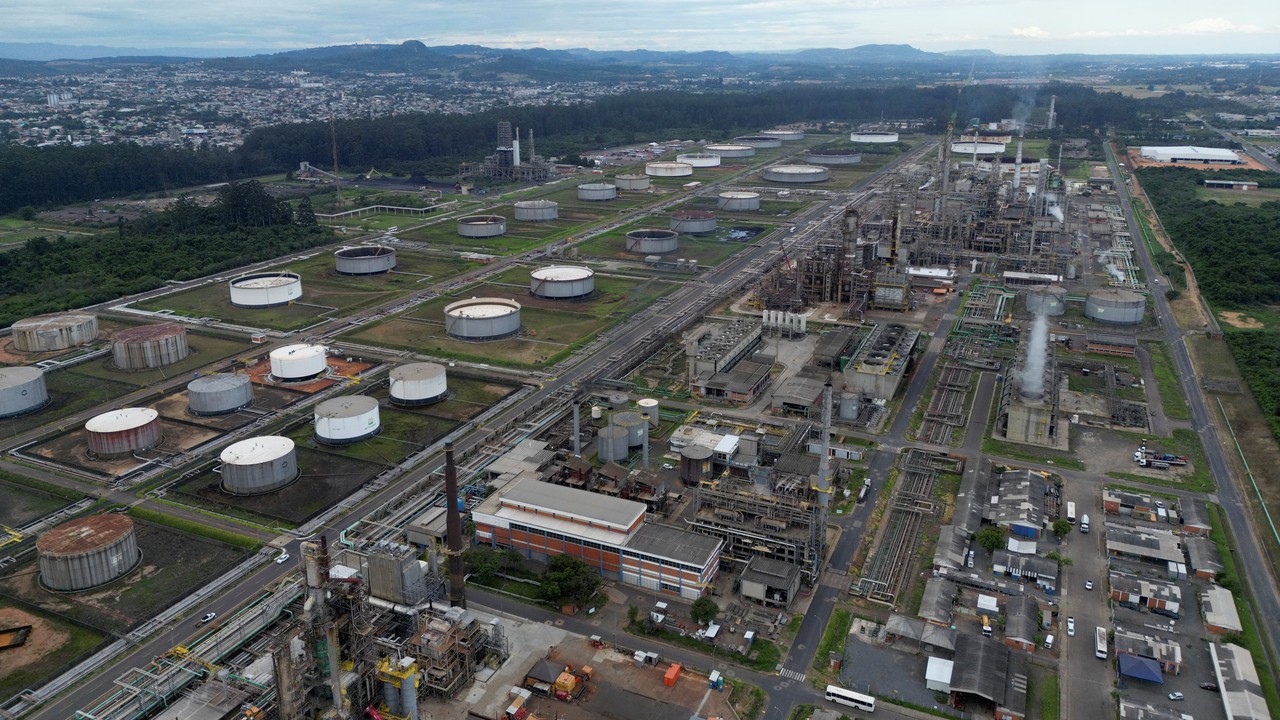


Acelen is one of them. The company, which has managed the Mataripe Refinery since 2021, when Petrobras sold the asset, announced a significant drop in prices for the products from the plant.
Gasoline saw a price reduction of 5%. While diesel had its value decreased by 10% in the pass-through to distributors, ensuring a strong drop in prices.
The Mataripe Refinery is one of the most important in the Northeast region, ensuring a good supply for the states in the area. Additionally, it has the capacity to process over 300,000 barrels of oil per day, corresponding to 14% of Brazil’s total refining capacity.
Thus, it is now moving towards an even greater stabilization of gasoline and diesel production, enabling a significant reduction in product prices, as carried out by Acelen.
Acelen Reinforces Transparent Pricing Policy for Mataripe Refinery and Says It Will Continue to Follow Market Trends to Adapt to the Global Scenario
When questioned about the adjustments made to gasoline and diesel prices at the Mataripe Refinery, Acelen reinforced its position on global market trends, stating that it will continue to adapt to the international scenario.
It stated that the pricing of fuels “follows market criteria, which take into account variables such as the cost of oil, which is purchased at international prices, the dollar, and freight, and may vary upward or downward.”
“The reduction implemented reflects the company’s transparent pricing policy, supported by technical criteria, in line with international market practices”, the fuel company concluded.
Acelen’s reduction in the prices of products passed on to distributors was not the only one in the national market recently. During the last week, Petrobras reduced the price of diesel by 8.18% and gasoline by 6.1%.
However, price adjustments at refineries are not immediately passed on to final consumers. At gas stations, therefore, the final consumer will not yet benefit from these changes.
Learn About the Mataripe Refinery
The Mataripe Refinery has the capacity to process over 300,000 barrels of oil per day. This corresponds to 14% of Brazil’s total refining capacity and more than half of the supply for the entire Northeast region of Brazil.