






 Portuguese
  Spanish
  4 min of reading
  0 comments


Archeologists Discover Phrygian Tomb with First Registered Cremation Next to Mount Midas with Bronze and Iron Artifacts
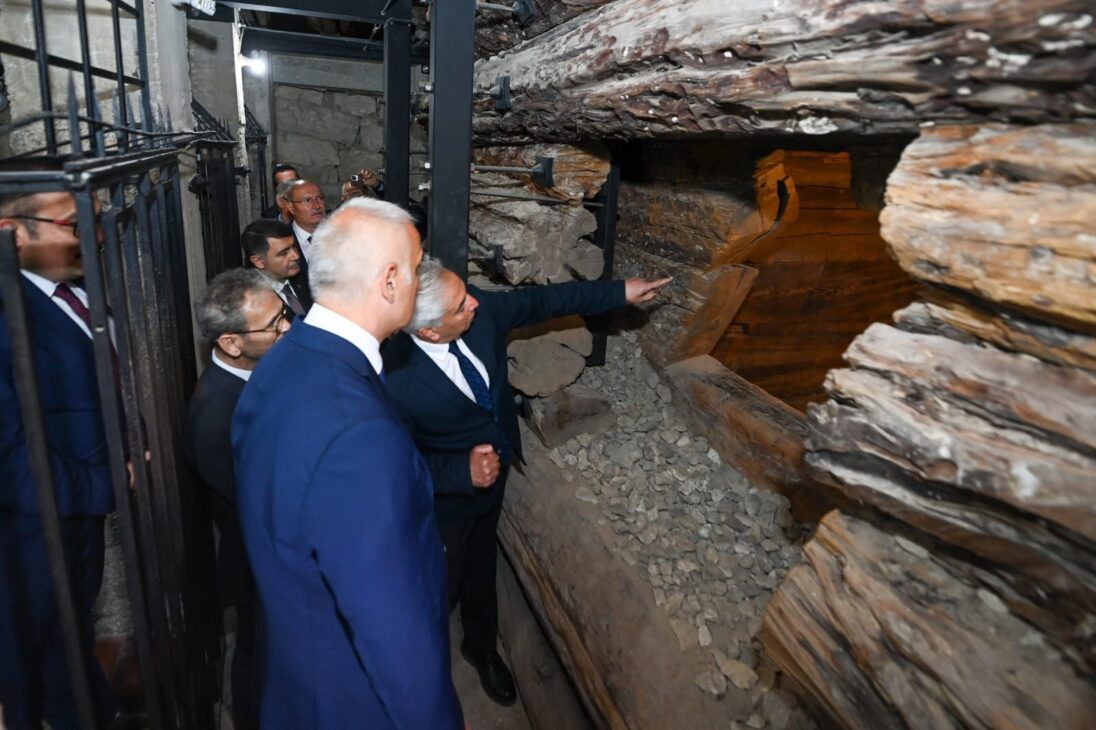
In the ancient city of Gordion, Turkey, archeologists made a discovery of great historical relevance. A royal tomb dating back 2,800 years was found at the site where the legendary King Midas reigned, known for turning everything he touched into gold.
The revelation was made last week by Turkey’s Minister of Culture and Tourism, Mehmet Nuri Ersoy.
Discovery at Historically Significant Site
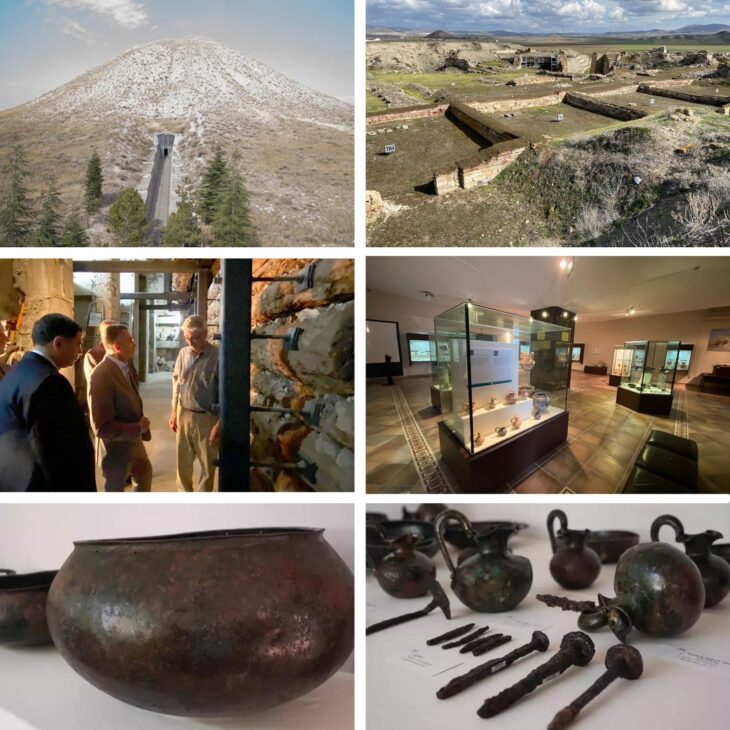
The find occurred at the famous archaeological site of Gordion, which has been part of the UNESCO World Heritage List since 2023.
-
Reservoir drops in Thailand and reveals a “Death Railway” station that was hidden underwater for over 40 years, connected to the route built during World War II by Allied prisoners and Asian workers.

-
The rule of silence after 10 PM may lose strength in Brazilian cities, but noise will not be allowed, and new proposals divide residents and business owners.

-
Measuring 13m in wingspan, the F-15 Eagle is a tactical fighter that combines power, advanced electronic systems, large weapon capacity, and high maneuverability to dominate the skies in any condition.
-
Macabre garden in Poland: 34 fetuses found on former property of a doctor reveal a disturbing story of silence, pain, and unanswered questions




This city was the capital of Phrygia and the stage of Midas’s story. The newly discovered tomb, identified as T26, is located near Mount Midas, where the tomb of the king’s father is situated.
Although the occupant of the chamber is still unknown, the location and characteristics suggest a connection to the royal family.
The wooden burial chamber revealed an unprecedented detail in the history of the Phrygians: it was the first recorded cremation burial in that culture.
This new funerary practice raises questions about potential changes in the traditions of the dynasty.
Meticulous and Careful Excavation
The excavation was led by Süleyman Yücel Şenyurt from Hacı Bayram Veli University in Ankara. For four months, the team worked with attention to detail, seeking to better understand the customs and daily life of the Phrygians.
A total of 15 workers and six archeologists participated in the work in an area of 12 x 12 meters.
The tomb was found beneath various layers of stones and soil, hidden in a mound 8 meters high and nearly 60 meters in diameter.
The chamber, measuring about 3 x 2.7 meters, remained relatively intact considering the long period of over two thousand years.
Gargarapalvin
More than 100 Artifacts Reveal the Customs of the Time
Inside the tomb, researchers located a vast collection of objects. A total of 100 artifacts were counted, including items made of bronze and iron.
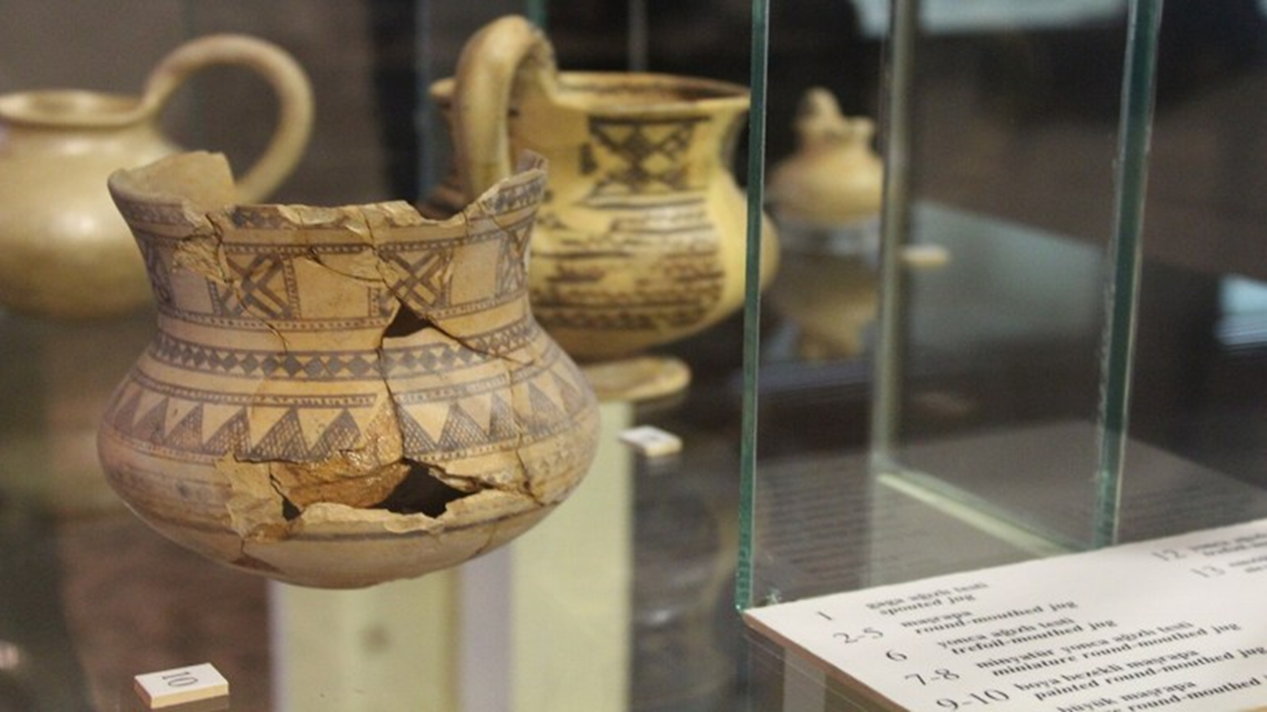
Among them were cauldrons, incense burners, and ceremonial vases. Minister Ersoy announced that 47 of these items have already been restored and are on display at the Gordion Museum.
The highlight among the discoveries was a bronze jar wrapped in linen, which surprised with its preservation after so many centuries.
This jar was identified by Heritage Daily as the most notable object in the found collection.
Ersoy also emphasized that the pieces are not only well-preserved but also provide valuable information about funerary rituals and the social organization of the Phrygians.
The arrangement of the objects around the cremated remains resembles the layout observed in the tomb of Midas’s father, reinforcing the hypothesis that the deceased may have been a royal family member, possibly a cousin of the king.
Bronze Vases Date Back to the 8th Century BC
Many of the vases found date back to the 8th century BC, a time when Midas would have built his father’s tomb.
The introduction of cremation as a burial method for this individual, however, still puzzles specialists, as there are no previous records of this custom among the Phrygians.
This distinct funerary practice adds a new chapter to the history of the dynasty.
While the reason for the choice of cremation has not been identified, the find broadens the understanding of cultural diversity and possible changes in customs in ancient Phrygia.
Turkish Archaeology in a Phase of Great Discoveries
Minister Mehmet Nuri Ersoy highlighted that this discovery is part of a period he called the “golden age of archaeology” in Turkey.
According to him, the country has been investing in various projects that have been revealing archaeologically significant treasures.
Just in 2024, thousands of new finds were recorded in different parts of Turkish territory.
The new tomb, although not confirmed as belonging to a direct relative of Midas, has already provided valuable information about the rituals, daily life, and social structure of the time.
The dynasty, which began with Midas’s father, a simple farmer, continues to surprise researchers with its secrets preserved beneath the land of Gordion.
Gordion remains one of the rare archaeological sites in the world with continuous occupation since the beginning of the Bronze Age.
The new excavations reinforce its importance for understanding ancient civilizations and the history of humanity itself.




Be the first to react!