Portuguese
  Spanish



ASI Expects to Mobilize US$ 1 Trillion in Investments for Massive Solar Energy Implementation by 2030
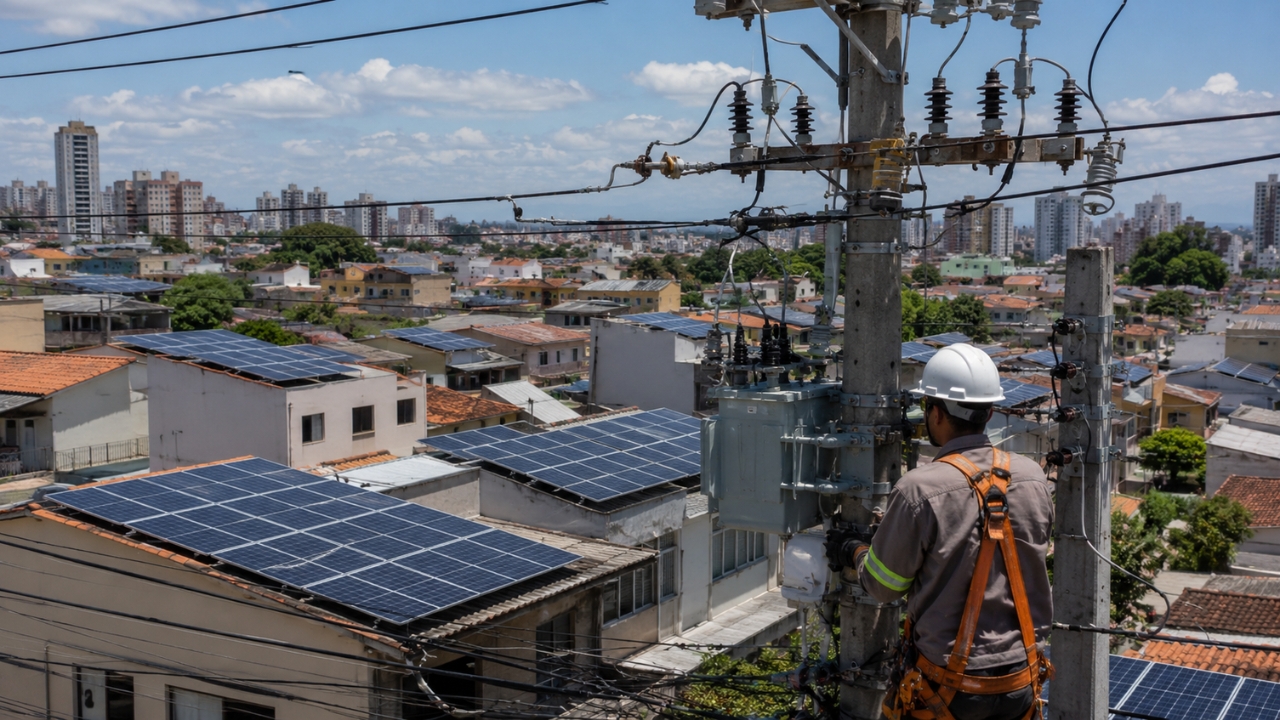
São Paulo, November 3, 2022 – The Senate approved on October 6 the legislative decree project 271/2021, which allows Brazil to join the framework agreement on the International Solar Alliance (ASI). The initiative assists member countries in the spread of solar energy. Brazil’s request to join the ASI was submitted by the Presidency of the Republic to the National Congress on February 26, 2018, on a priority basis. The text is awaiting promulgation.
“This initiative represents an important step for Brazil in international positioning, as our territory has one of the best solar resources in the world,” emphasizes Vinicius Gibrail, General Director of Array STI Norland Brazil, one of the global leaders in the manufacturing and installation of trackers used in solar power plants.
The announcement of the formation of the International Solar Energy Alliance took place on the first day of the Climate Conference in Paris, on November 30, 2015, by India’s Prime Minister, Narendra Modi, and French President, François Hollande.
-
How Norway Produces More Energy Than It Consumes with Nearly 1,800 Hydropower Plants and Over 1,100 Reservoirs

-
Axia Energia Invests $280 Million in Q1, Increases Investments by 36%, and Turns Loss into $740 Million Profit

-
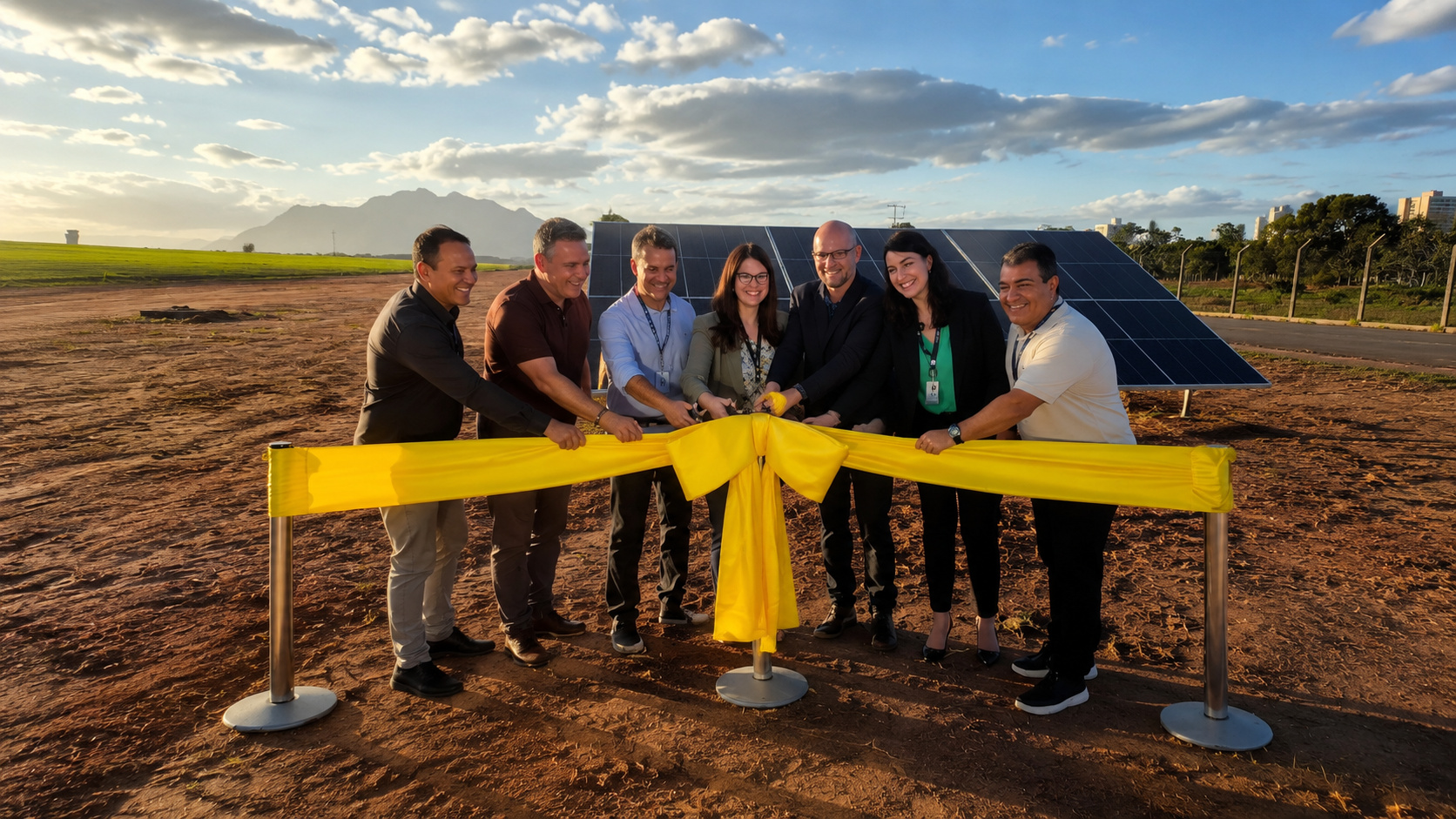
Brazil’s Vitória Airport to Launch Solar Plant Covering Area of 10 Soccer Fields, Boosting Clean Energy and Cutting Costs
-
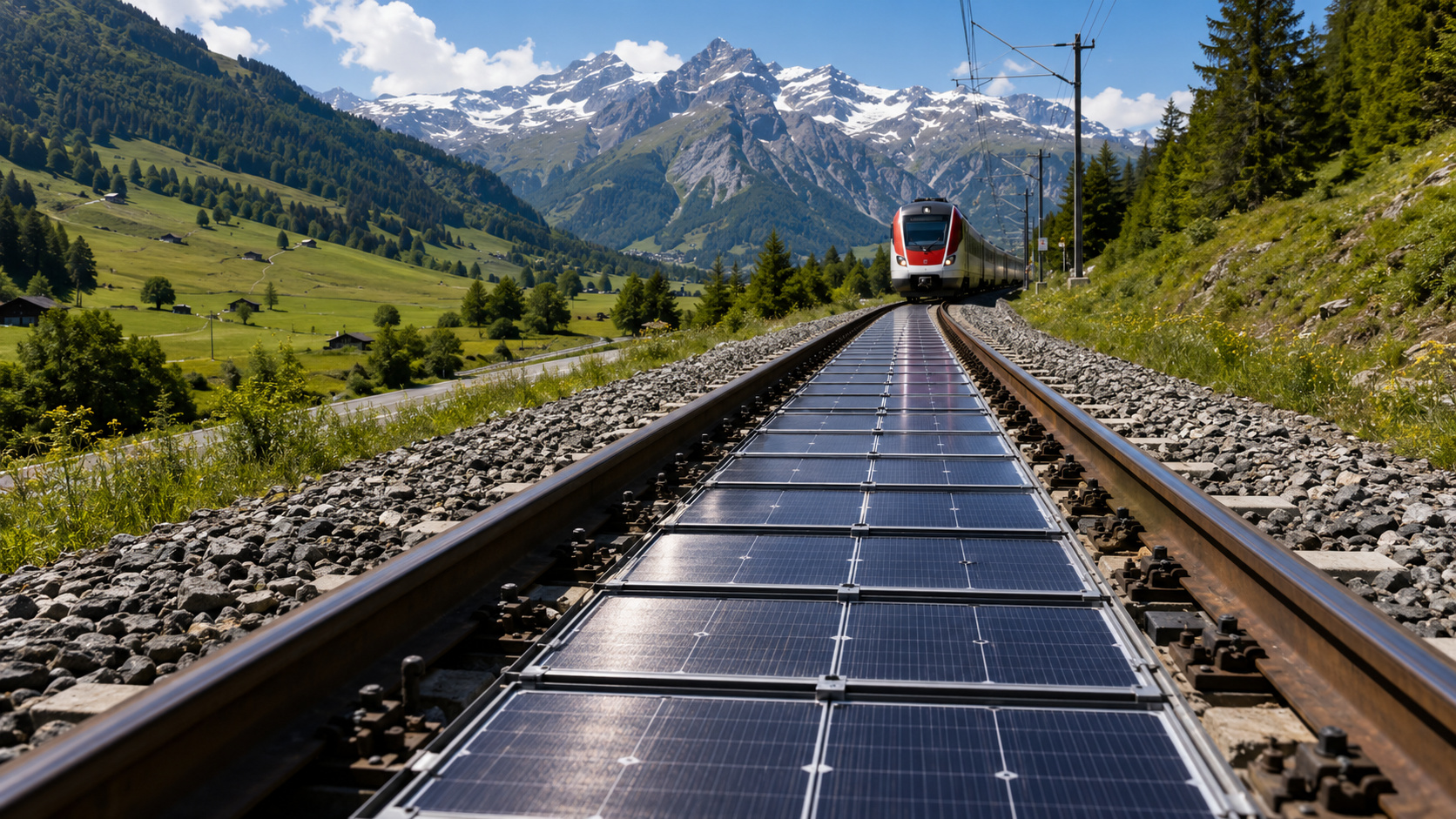
Switzerland Converts Train Tracks into Solar Power Plants with Removable Panels to Generate Energy Without Using Additional Land


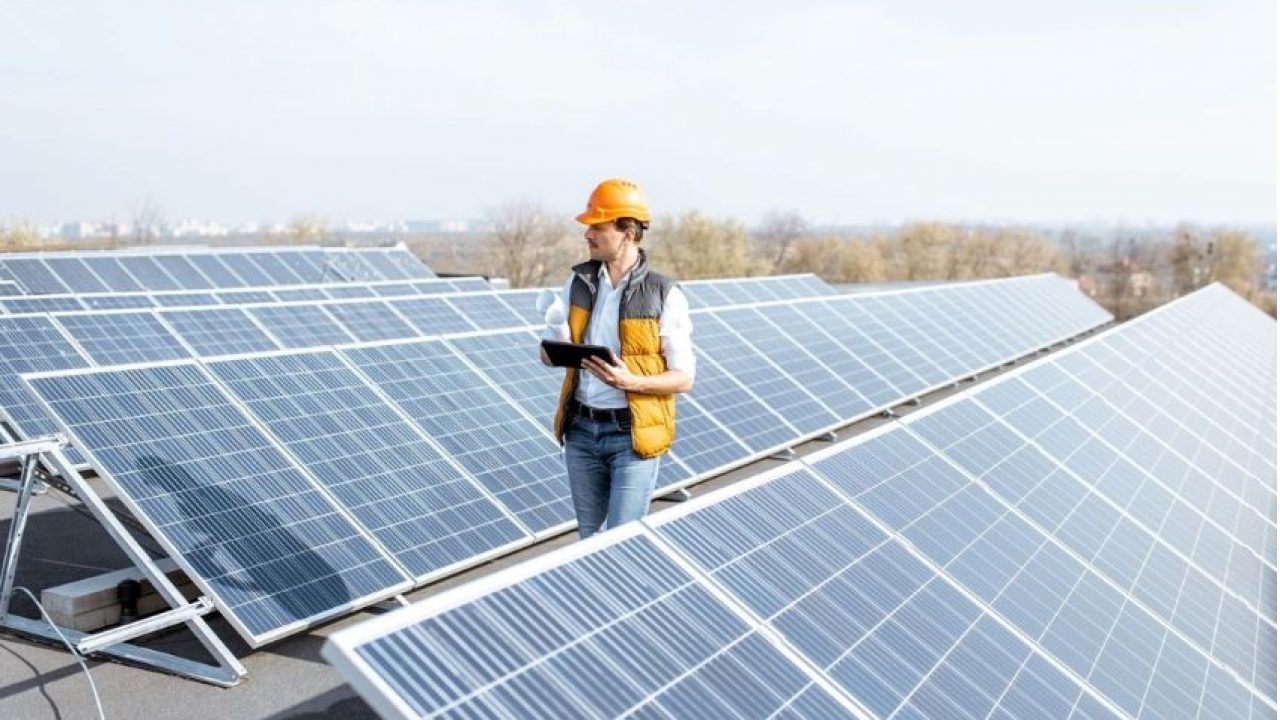
The Alliance is an agreement between 121 countries located between the Tropics of Cancer and Capricorn — the sunniest regions in the world. The members of the Alliance aim to reduce the costs of financing and solar technology worldwide, boost new projects mobilizing over US$ 1 trillion in investments for the massive implementation of solar energy by 2030 and encourage new technologies with the Sun as the primary resource.
“Brazil’s integration into the ASI will bring benefits to the country through incentive policies, financing, regulation, research, and development of new technologies. Furthermore, it will contribute to accelerate the development and implementation of photovoltaic solar energy in the country,” adds the executive.
According to the National Electric System Operator (ONS), in August of this year Brazil had 17 GW of installed solar power capacity. In 2021, the country ranked 14th in the world in terms of installed capacity, with 13 GW, and was the 11th country in the world producing solar energy the most (16.8 TWh). The ranking is led by China, with 306 GW, followed by the United States (93 GW), Japan (74 GW), Germany (58 GW), and India (49 GW).
For more information, visit the Array website and the STI Norland website.