Portuguese
  Spanish




Taurus Decision on Transfer of Operations to the United States Could Change the Brazilian Industrial Landscape and Affect Thousands of Jobs, Amid the New Tariff on Brazilian Arms. Understand the Context of This Possible Migration.
Starting August 1, 2025, Brazilian products entering the North American market will face a 50% surcharge, a measure that promises to profoundly impact strategic sectors of the Brazilian economy.
Among the most affected segments is that of arms and ammunition, where Taurus Armas S.A., a national reference in the sector, is considering the possibility of transferring its operations to the United States, in a move that could directly affect approximately 15,000 jobs, according to the newspaper BBC.
Tariff on Brazilian Arms Affects Exports
The decision comes after an announcement made by the President of the United States, Donald Trump, on July 9, 2025, imposing the new tariff on Brazilian products.
-
Brazil’s 2026 Tax Refund: Record 9.58 Million Filers in Largest Payout Ever, But a Key Detail on Priority Recipients Draws Nationwide Attention

-
Itaú Alters Hybrid Work Model, Increasing Office Days from 2028, Prompting Employees to Adjust to New Routine
-
Facing Labor Shortage, Japan Plans to Invest $34 Million to Attract Foreign Workers in Construction, Healthcare, Industry, and Commerce

-
Brazilian City Makes Remarkable Leap, Becomes 4th Wealthiest in the Country with GDP of R$ 134.1 Billion



According to updated data from the Ministry of Development, Industry, Commerce, and Services (MDIC), approximately 61.3% of Brazilian arms, ammunition, and accessories exports were destined for the United States in 2024, totaling nearly R$ 3 billion for the period.
The Rio Grande do Sul concentrates the majority of the factories in the sector, followed by São Paulo, establishing these states as major industrial hubs of great relevance for the Brazilian export market.

The CEO of Taurus, Salesio Nuhs, stated in a recent interview that if the tariff indeed comes into effect, the company is considering shutting down its facilities in Brazil to centralize its operations in the United States, where it already has manufacturing capabilities.
The estimate is that only in Rio Grande do Sul approximately 15,000 jobs are at risk, a scenario that concerns unions and workers in the defense industry.
The Arms Sector Faces a Crisis with the 50% Surcharge
The announced tariff is part of a strategy to protect the US industry and responds to internal political and economic pressures.
The measure was officially communicated by the US government and impacts not only the arms sector but also a wide range of products exported by Brazil, raising the cost of trade and decreasing the competitiveness of domestic products on American soil.
Experts consulted by the sector believe that the decision represents one of the largest challenges faced by Brazilian companies operating in the international market in recent years.
The dependence on exports to the United States makes the arms and ammunition sector particularly vulnerable to this type of regulatory change.
In addition to Taurus, other companies in the segment are already considering restructuring operations or seeking alternatives in other markets to avoid billion-dollar losses.
Previous Incentives and Impact on Jobs
The incentive policy adopted in Brazil during the government of former President Jair Bolsonaro (PL) strengthened the production and export of arms, increasing the presence of national brands abroad.
With the new tariff, the scenario is reversed, and companies like Taurus are considering migration to the United States as an alternative to survive financially and maintain their space in the competitive international market.
According to the National Association of Arms and Ammunition Industry (ANIAM), the impact can be felt throughout the production chain, affecting raw material suppliers, transport companies, service providers, and small industries linked to the sector.
The fear is that the measure will trigger a chain reaction, with negative effects on municipal and state tax revenue, especially in economically dependent regions on the arms segment.
Political Debate and Diplomatic Reaction
The issue also bumps into political and diplomatic debates.
The President of the United States, Donald Trump, sent a letter to President Luiz Inácio Lula da Silva (PT) criticizing the treatment given to former President Jair Bolsonaro in the context of the investigations into the attempted coup that occurred on January 8, 2023.
The content of the correspondence, considered interventionist by Brazilian authorities, also included criticisms of the judicial sanctions applied to Bolsonaro, stating that the trial would be, in Trump’s words, an “international disgrace.”
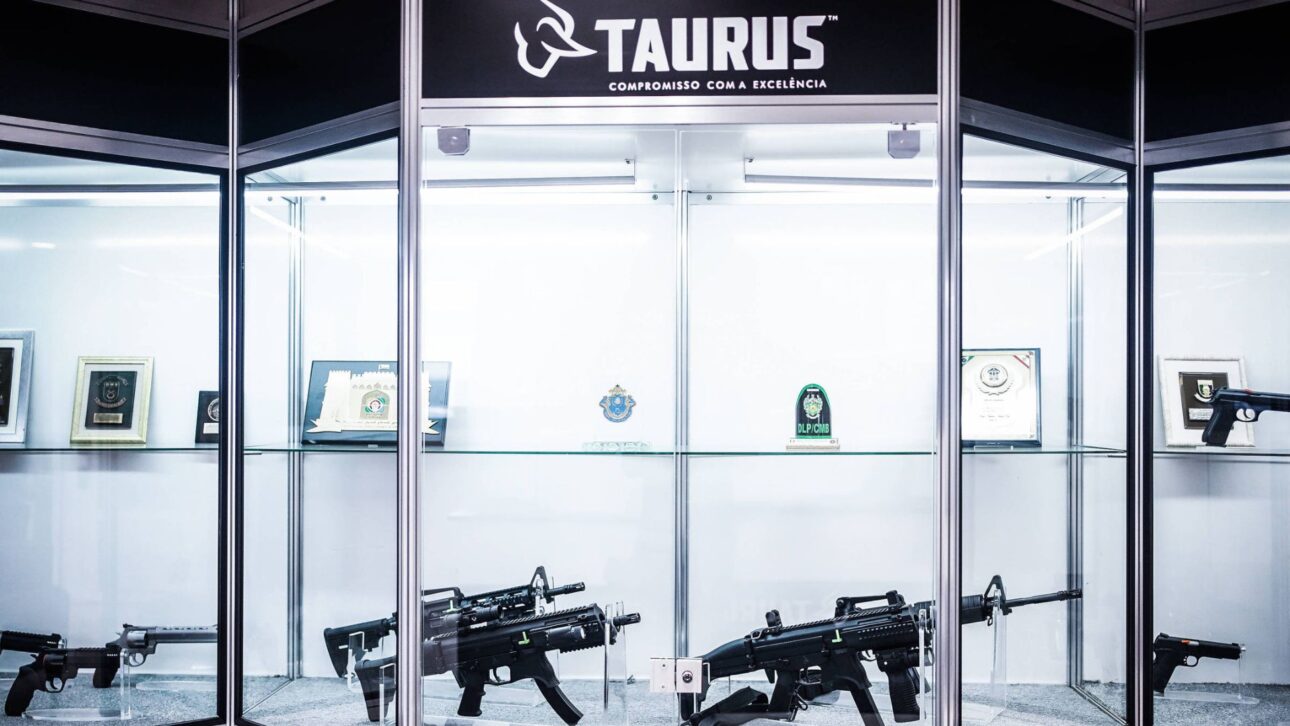
Challenges for the National Industry with the Tariff on Brazilian Arms
The international context sharpens the discussion about Brazilian sovereignty and the country’s ability to respond to external sanctions.
Analysts highlight that, in addition to economic impacts, the measure pressures the Brazilian government to rethink its foreign relations policy and seek alternatives to preserve jobs and maintain the national industry competitive.
Beyond the numbers and statistics, the tariff on Brazilian arms and ammunition intensifies the debate on trade dependency, sovereignty, and the need to diversify export markets.
As the date of the surcharge’s enactment approaches, workers, business owners, and public managers await definitions that could profoundly alter the industrial profile of regions like Rio Grande do Sul.
Amid this scenario, a central question arises: in the face of the new tariffs imposed by the United States, what alternatives remain for the Brazilian arms industry and how can the country protect thousands of jobs in light of such drastic changes in international trade?