






 Portuguese
  Spanish


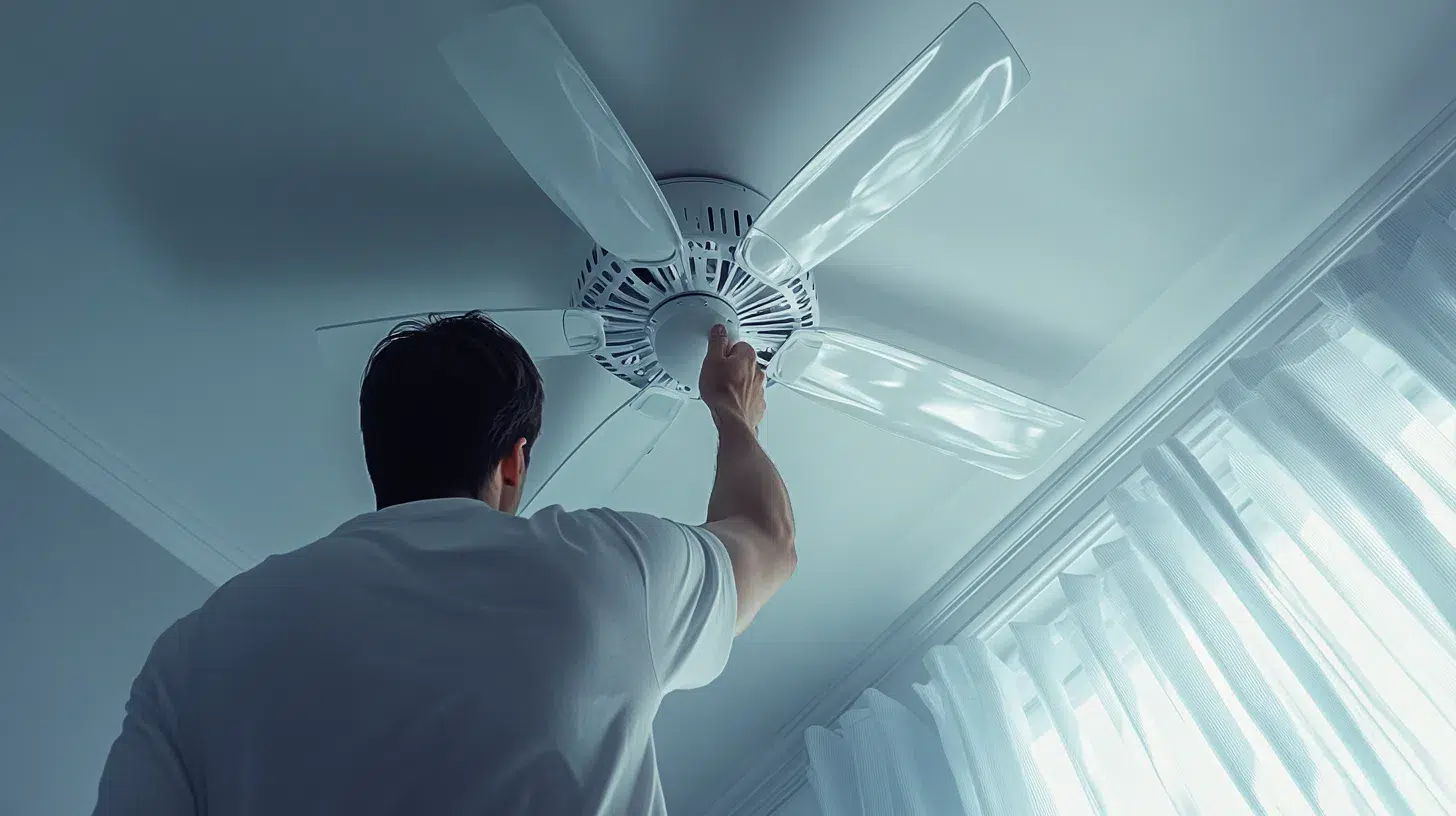


Sustainable Innovation Promises to Replace Traditional Ceiling Fans, Offering Superior Thermal Comfort and Energy Efficiency in Modern and Elegant Buildings
The system of radiant ceiling emerges as a promising innovation, providing a more efficient and sustainable alternative to traditional ceiling fans.
This cooling technology stands out for its ability to cool environments evenly and quietly, without relying on air currents or moving components.
How Does the Radiant Ceiling Work?
The radiant ceiling operates through the installation of radiant panels in the ceiling, which contain pipes through which low-temperature water circulates.
-
Experts Warn: Aging NASA Launch Facilities Could Hinder Artemis Moon Mission Progress

-
Self-Driving Harvester Now Operating in Brazil’s Vast Farmlands
-
Astronomers Discover Two Giant Exoplanets as Light as Cotton Candy, Challenging Current Scientific Models 1,110 Light-Years from Earth
-
Brazil’s Central Bank Warns: Inflation Projected to Hit 5.2% in 2026, Exceeding Target Ceiling of 4.5%, with Risk of Missing Target Rising from 30% to 79%


Depending on the need, the water can be cooled or heated, allowing both cooling and heating of the environment.

This system utilizes the physics of thermal radiation to distribute cold or heat evenly, ensuring superior thermal comfort.
Advantages of the Radiant Ceiling System
One of the main advantages of the radiant ceiling is its energy efficiency, as the system does not move air, thus reducing energy consumption and providing significant savings on electricity bills.
Additionally, it offers a discreet design and aesthetically pleasing appearance, freeing up space on the floor and walls and keeping environments visually organized.

Another important feature is its absolute silence during operation, making it ideal for places that require tranquility, such as libraries and meeting rooms.
The system also requires little maintenance, as it does not have ducts or moving components, like fans or coils, that need regular cleaning.
Integration and Sustainability
The radiant ceiling can be integrated with other climate control systems, such as radiant floors and conventional heaters, as well as alternative energy sources such as solar panels and geothermal systems.
This flexibility not only increases energy efficiency but also reduces the environmental impact of climate control.
Application in Buildings
The installation of the radiant ceiling is feasible in both new constructions and renovations of existing buildings.
It is essential that qualified professionals are hired to ensure that the system is correctly implemented and integrated into the architectural project, optimizing its performance and contributing to an aesthetically pleasing finish.
The Future of Residential Climate Control
With the growing concern for energy efficiency and thermal comfort, the radiant ceiling presents itself as a viable and desirable alternative for residential climate control.
While traditional ceiling fans and air conditioning systems have their limitations, the radiant ceiling promises to revolutionize the market, offering a more advanced and sustainable solution.

The installation cost can vary significantly, depending on factors such as area, materials used, and location, with average prices ranging from R$ 200 to R$ 500 per square meter.
However, the initial investment can be offset by energy savings and the durability of the system.
As more people become aware of the advantages of this technology, the radiant ceiling could become the new standard for climate control in homes and commercial buildings.





Eu gostaria de conhecer esta inovação tecnológica .
Gostaria demais de colocar essa inovação no meu apartamento. Será que pode??!
Quero instalar na minha casa.