






 Portuguese
  Spanish


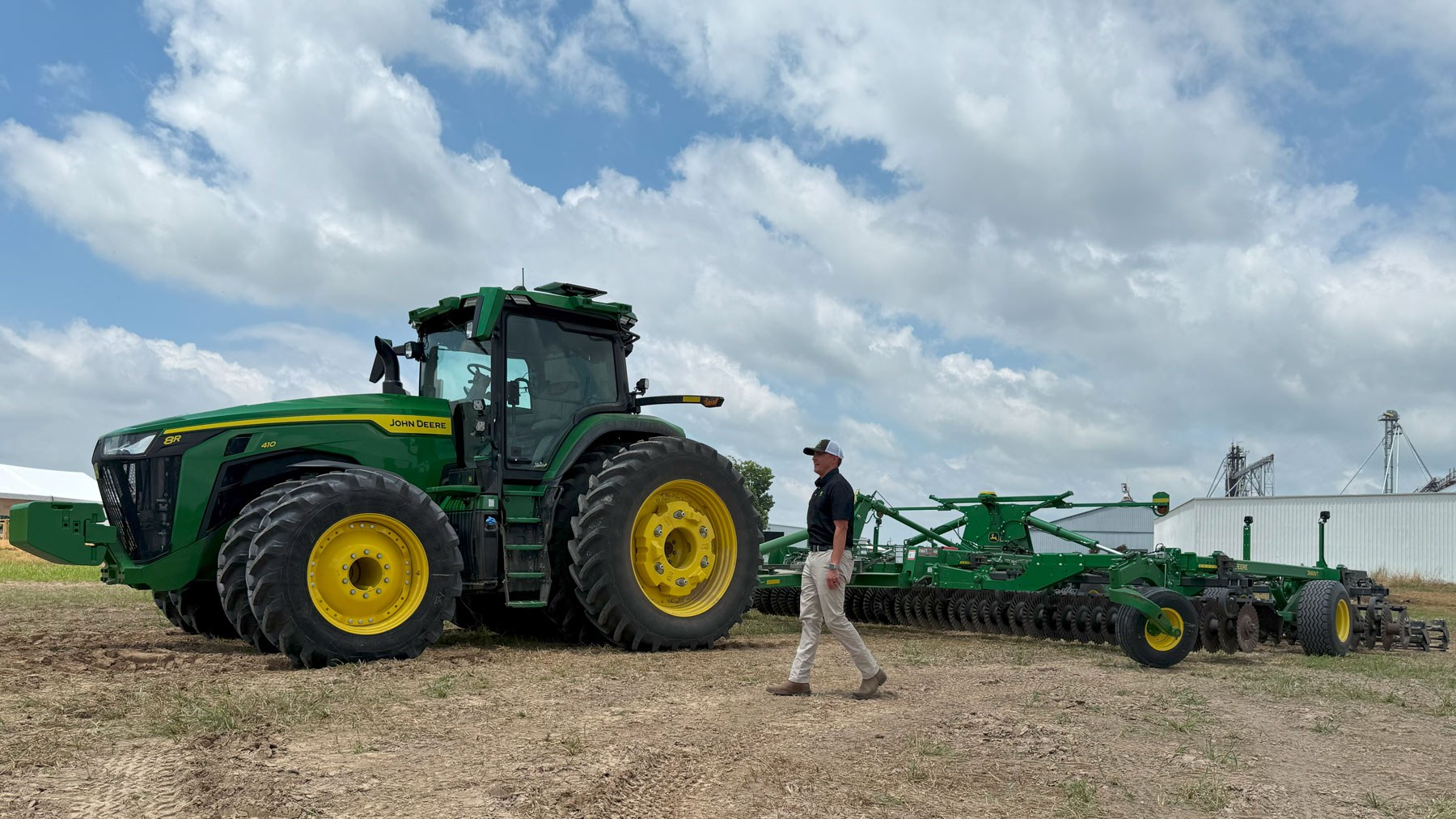
In the giant fields of the Brazilian Midwest, there is already a scene that seems like fiction: huge machines planting, spraying, and harvesting on their own, with no one in the cabin, guided by satellite and artificial intelligence, working day and night with centimeter precision in one of the largest barns on the planet.
Precision agriculture has ceased to be a promise of a technology fair and has become a reality in the Brazilian countryside. Autonomous machines, which do not require a human operator, are already operating on farms in the country, especially in the large soybean and corn properties of the Midwest, where the fields are the size of cities and technology finds an ideal ground to show its value.
These machines use high-precision GPS, sensors, and cameras to locate themselves and see the plantation, and artificial intelligence to make real-time decisions, such as avoiding an obstacle or adjusting the amount of product applied to each meter of soil. The farmer monitors everything from a tablet or a control room, sometimes kilometers away.
Why the field embraced robots
The rapid adoption has very concrete reasons. The first is the lack of qualified labor in the field: finding experienced operators to drive expensive machines, on long shifts and in remote locations, has become increasingly difficult. The autonomous machine solves this by working nonstop, without fatigue and without the need for a driver on board.
-
Astronomers Discover Two Giant Exoplanets as Light as Cotton Candy, Challenging Current Scientific Models 1,110 Light-Years from Earth

-
NASA’s Plan to Dump ISS Debris in Ocean Sparks Environmental Concerns Among Scientists
-
14-Year-Old Invents Eco-Friendly Water Pump Using Recycled Materials to Aid Communities Without Water Access
-
Pigeons Trained to Detect Cancerous Changes in Medical Images Astonish Scientific Community


The second is efficiency. A satellite-guided machine does not overlap lanes or leave gaps, applies seed and input in the exact dose for each piece of land, and can operate at dawn, taking advantage of the best weather and humidity conditions. This saves fuel, fertilizer, and pesticides, reducing cost and waste at the same time.
In the end, it’s money and productivity. In continental-scale fields, small efficiency gains per hectare multiply by thousands and make a huge difference in the harvest result.
Size helps Brazil
Brazil has a natural advantage for this revolution: scale. The gigantic farms of the Midwest, with flat and kilometer-long plots, are the perfect environment for autonomous machines, which yield more the larger and more regular the area is. Not surprisingly, the country has become a global showcase for precision agriculture.
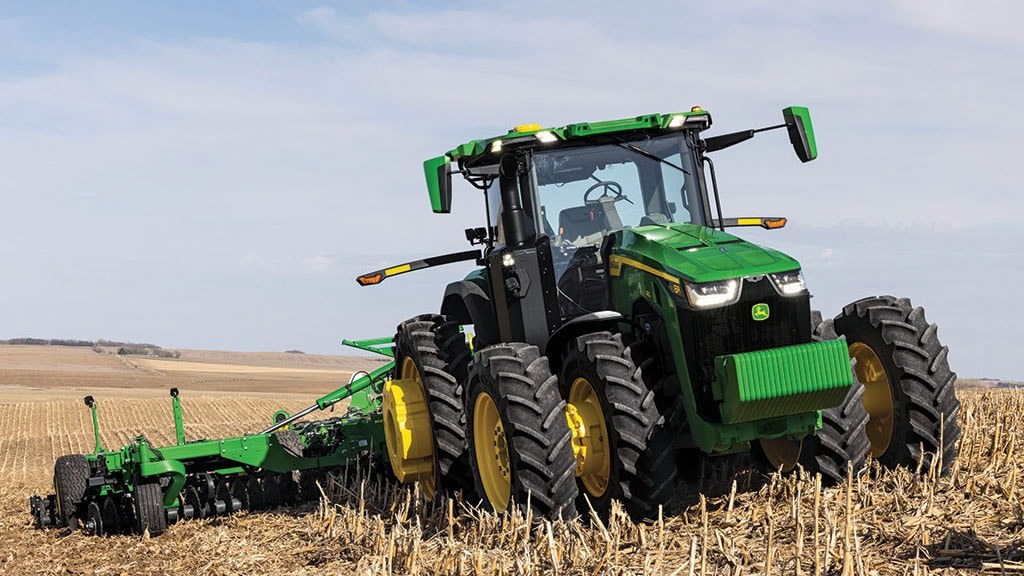
This modernization helps sustain the country’s position as one of the largest food producers in the world. Producing more with less cost and less waste is essential to maintain the competitiveness of Brazilian soy and corn in a competitive global market, where the price is dictated from outside and what remains for the producer depends on efficiency.
The technology also changes the profile of work in the field. Instead of operating the machine, the worker starts monitoring data, programming routes, and taking care of equipment maintenance, functions that require new skills. It’s a transformation that values technical knowledge but also raises questions about the future of rural employment.
How the machine sees the field
The secret lies in the combination of technologies. Precision GPS antennas locate the machine with an error of a few centimeters, while cameras and sensors scan the terrain ahead for obstacles, planting failures, or signs of pests. All this feeds a digital brain that decides, in real-time, where to go and how much of each input to apply.
These data also become a detailed map of the farm. The producer gets to know, meter by meter, where the land yields more, where nutrients are lacking, and where the harvest was better, and uses this to plan the next crop with a precision unthinkable a few years ago. The autonomous machine, in the end, not only works alone: it turns the entire field into information.
The limits and precautions
Not everything is simple. Autonomous machines are expensive, which for now restricts access to large producers, and they depend on connectivity in the field, something that is still lacking in many interior regions. There is also the issue of safety: a heavy machine operating alone needs reliable systems to avoid accidents.
There is still the social debate. If the machine replaces the operator, what happens to jobs in the field? The likely answer is a transition, with fewer driving positions and more technical positions, but it’s a change that needs to be monitored to not leave workers behind. Technology advances quickly, and society races to adapt.
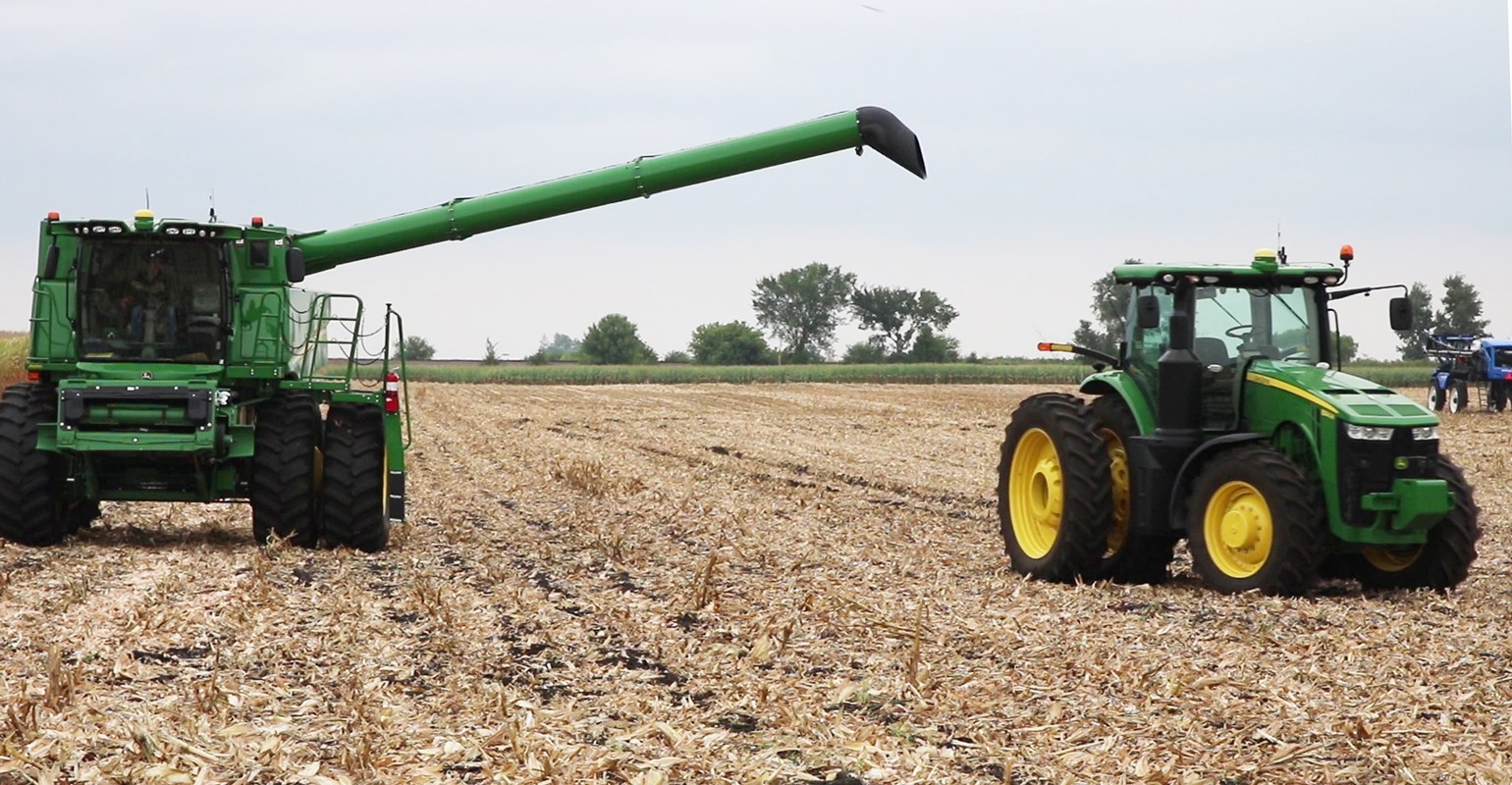
Despite the challenges, the path seems irreversible. With each harvest, more autonomous machines come into operation, and what impresses today will become routine in large fields. The image of a field worked by robots, with few humans nearby, is increasingly the portrait of modern Brazilian agribusiness.
It is worth remembering that this revolution does not reach everyone equally. While large farms adopt autonomous machines, small and medium producers still rely on conventional equipment and labor, and there is a risk that technology will widen the gap between agro giants and the rest. Bringing precision also to those who plant little is a challenge the sector will have to face.
It’s curious to think that the country many people still imagine as agricultural and backward is, in fact, one of the most advanced in the world in field technology. In the interior of Brazil, the future of agriculture is already running, alone, among the rows of soybeans.
Would you trust an entire farm’s harvest to machines that work alone, with no one in the cabin?


