Portuguese
  Spanish


Embrapa research shows how sustainable fertilizers can reduce imports, cut agribusiness costs, and expand national production.
Brazil may be facing a strategic solution to reduce its dependence on imported agricultural inputs. Research conducted by Embrapa scientists from Agrobiology indicates that struvite, produced from swine farming waste, can replace part of the phosphate fertilizers used in Brazilian crops.
Initial results, presented in an Embrapa article on May 5, 2026, show that the technology was able to supply up to 50% of the phosphorus needs in soybeans, maintaining productivity close to 3,500 kilograms per hectare. This figure is similar to the national average for the crop in 2025, estimated at 3,560 kg/ha.
Currently, Brazil imports about 75% of the fertilizers used in the field. Therefore, the progress of Embrapa‘s research is seen as strategic for the future of national agribusiness.
-
The Trap of Modern Technology: How Screen Overload and Digital Connections Can Impact Your Mental Health and Well-being

-
Wyoming Couple Grows Tropical Fruits Year-Round in -40°C Using Geothermal Greenhouse, Demonstrating Earth’s Heat Can Produce Oranges and Lemons in Snow Without Traditional Heating

-
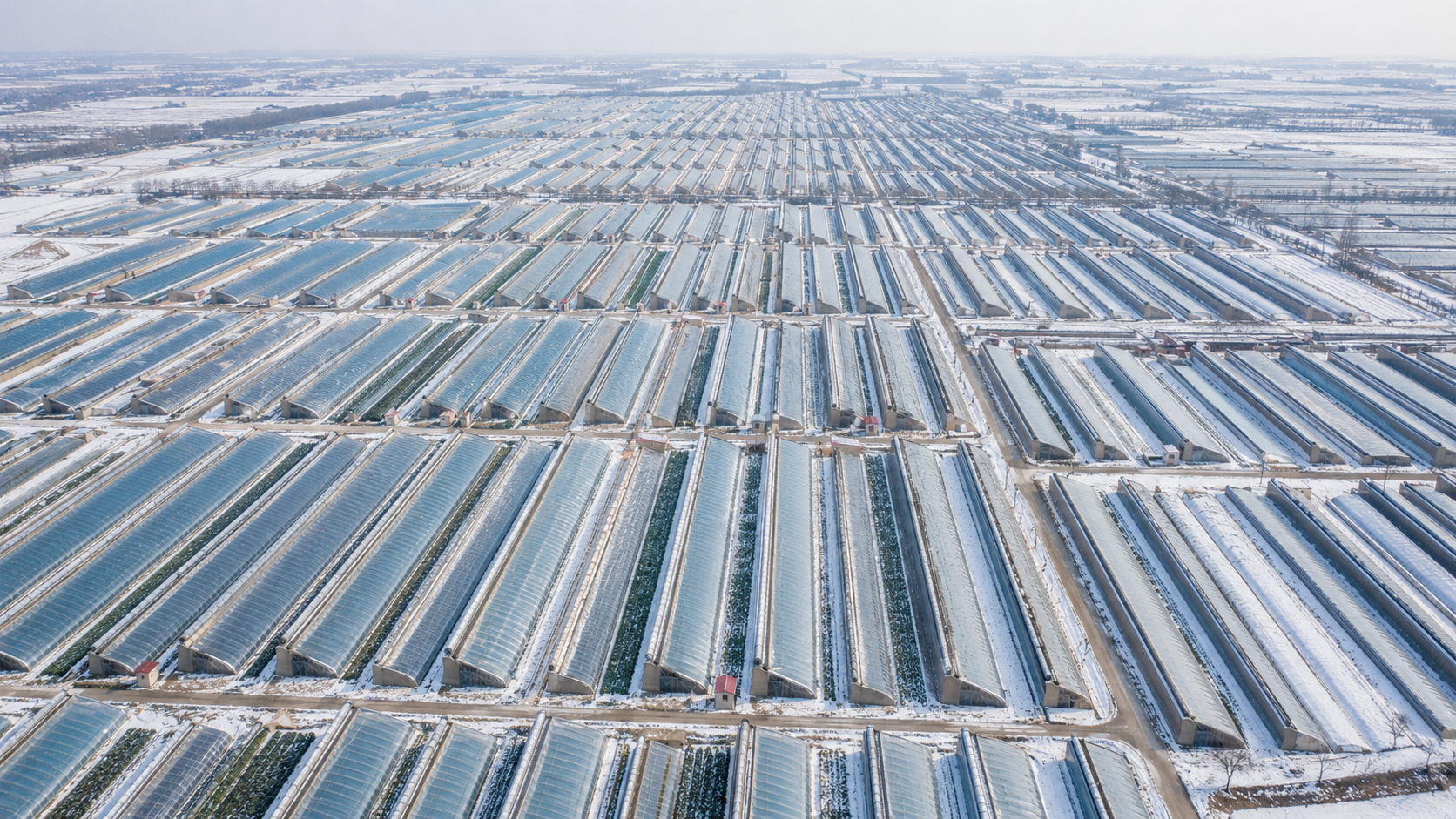
Chinese Farmers Develop “Blanket Greenhouses” to Grow Vegetables in Extreme Winter Without Heaters
-
Ship Returns from Brazilian Coast with Thirty Newly Discovered Life Forms



Fertilizers produced from waste gain ground in Brazil
Struvite is considered a slow-release fertilizer. The material is formed by magnesium ammonium phosphate, produced from the chemical treatment of swine farming waste.
According to Caio de Teves Inácio, Embrapa Agrobiology researcher and study coordinator, the proposal does not only involve replacing imported products. The goal is also to create a new technological route for Brazilian agriculture.
Tests show that fertilizers produced with struvite can increase phosphorus utilization by plants. This happens because the nutrient is gradually released into the soil.
Another important point is the reuse of agricultural waste, transforming an environmental liability into an agricultural product with high added value.
Embrapa scientists study alternative to phosphate fertilizers
Phosphate fertilizers are essential for agriculture, especially in root development and grain formation. The problem is that Brazil has limited phosphorus reserves and relies heavily on imports.
This dependence worries specialists, especially during periods of international instability. Fluctuations in the global market can raise costs and directly affect Brazilian agribusiness.
Embrapa scientists state that struvite can help reduce this vulnerability. Furthermore, the technology offers important environmental advantages by reusing animal production waste.
Among the benefits observed by researchers are:
- Reduced dependence on imported fertilizers;
- Better utilization of phosphorus in the soil;
- Reuse of swine farming waste;
- Lower risk of environmental contamination;
- Possibility of generating additional income in the field.

Embrapa bets on sustainable fertilizers to strengthen agribusiness
The research progress reinforces the agricultural sector’s interest in more sustainable solutions. Struvite is considered a practical example of a circular economy within agribusiness.
Instead of swine production waste becoming an environmental problem, it is now used in the manufacture of new fertilizers.
In the South and Central-West regions, where swine farming is strongly present, the technology can bring even greater impacts. This is because the excess of nutrients in animal waste is one of the main environmental challenges of the activity.
Struvite precipitation allows part of these nutrients to be removed before applying the waste to the soil. This reduces the risks of contaminating rivers and groundwater.
Phosphate fertilizers face difficulties in Brazilian soils
Researchers explain that Brazilian tropical soils have a high phosphorus fixation capacity. This reduces the efficiency of many conventional phosphate fertilizers.
In practice, part of the applied nutrient becomes unavailable to plants shortly after fertilization.
According to studies by Embrapa, struvite has advantages in this scenario. By releasing nutrients slowly, it can increase phosphorus utilization by agricultural crops.
Another differential is the alkaline reaction of the material. Unlike more acidic conventional fertilizers, struvite exhibits more favorable behavior in tropical soils.
Researchers are also evaluating the combined use of struvite with traditional soluble fertilizers, depending on soil and crop characteristics.
Embrapa research already shows promising results
In addition to granulated struvite, researchers are working on the development of an organomineral fertilizer that combines mineral nutrients and organic matter.
In initial tests, the formulation showed up to 50% superior performance in phosphorus diffusion during the first 28 days after application.
The research brings together different Brazilian institutions, including:
- Embrapa Agrobiology;
- Embrapa Soils;
- Embrapa Swine and Poultry;
- Federal University of Santa Catarina;
- Federal University of Santa Maria;
- University of Rio Verde;
- Federal Institute Farroupilha.
The project receives support from the National Council for Scientific and Technological Development (CNPq), in addition to Embrapa itself.
Agribusiness monitors possible billion-dollar savings with national production
The adoption of struvite can generate significant economic impacts for Brazilian agribusiness. National production of alternative fertilizers tends to reduce logistical costs and decrease external dependence.
According to Embrapa estimates, properties with more than 5,000 pigs could generate about 340,000 tons of struvite per year in the country.
In addition to cost reduction, rural producers could transform activity residues into a new source of income.
In the international scenario, interest in struvite has also grown rapidly. More than 80 production facilities were already operating in 2019, mainly in countries such as China, the United States, and Germany.
Even so, Embrapa scientists highlight that there are still few studies on the material’s behavior in tropical conditions.
Technology can change the future of Brazilian agriculture
Research advances show that Brazil is seeking alternatives to reduce its dependence on imported inputs and expand the sustainability of agricultural production.
Struvite emerges as a solution capable of combining innovation, waste reuse, and greater efficiency in phosphorus use.
The initial results reinforce the technology’s potential to meet part of the national demand for fertilizers, especially in a scenario of increasing global concern with food security.
For agribusiness, the adoption of solutions developed by Embrapa can represent more economic stability, less international vulnerability, and strengthening of Brazilian agricultural production.
With information from Embrapa.