Portuguese
  Spanish


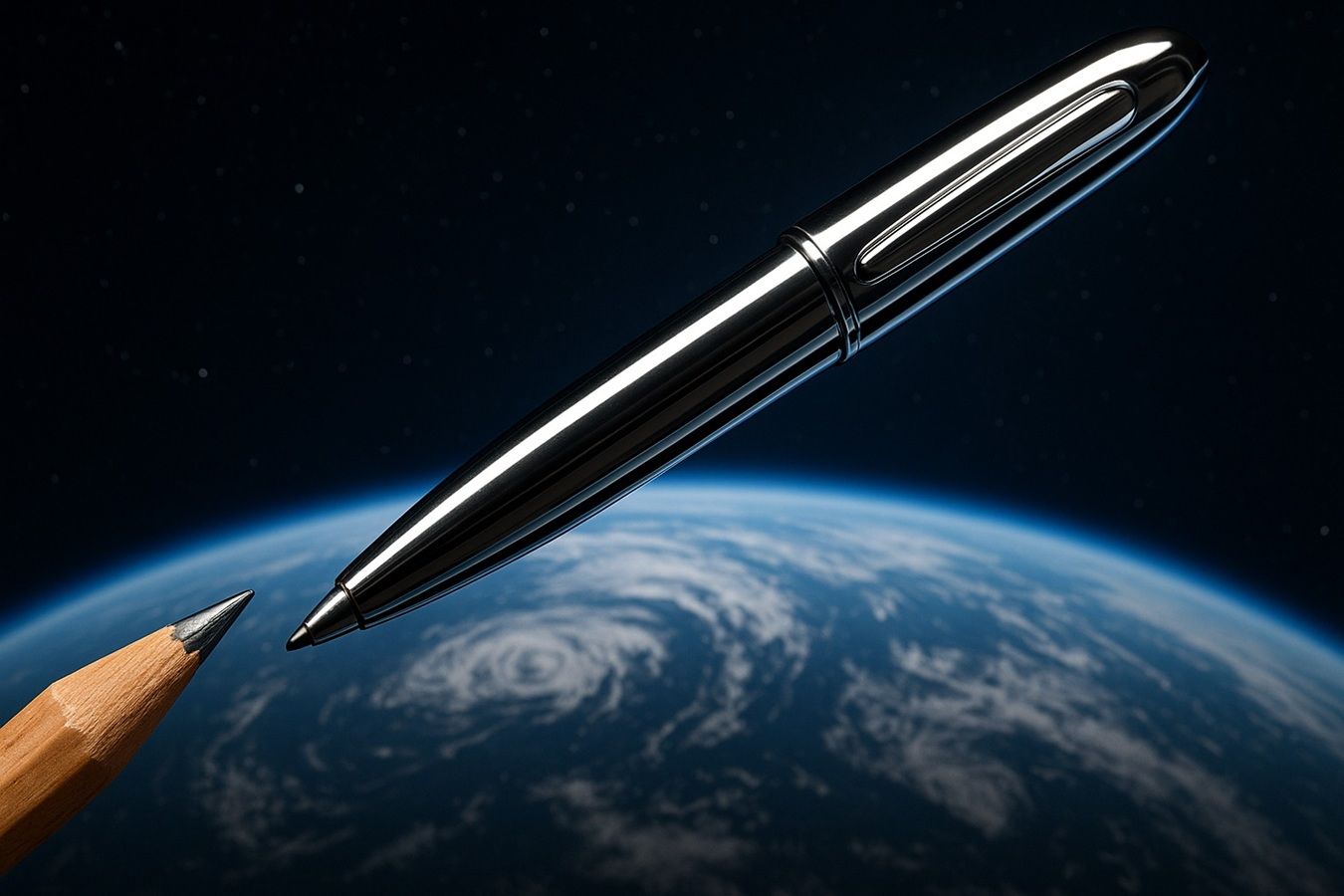

For Decades, A Curious Story Circulated As An Example Of American Waste And Soviet Pragmatism. It Was Said That While NASA Spent Millions Developing A Pen That Worked In Space, The Russians Simply Used Pencils. But This Version Of Events Is Far From Reality.
For decades, a curious story has circulated about the space race between the United States and the Soviet Union. On one side, the Americans supposedly spent millions to develop a pen that would work in zero gravity.
On the other side, the Russians supposedly solved the same problem in a simple and cheap way: by using pencils.
This anecdote, often used as a critique of bureaucracy and public resource waste, spread around the world as “proof” of Russian efficiency over American excess.
-
She spent 73 years breathing inside an iron lung, survived the aftereffects of polio, and became the last woman in the United States dependent on the equipment before dying at 78 years old.

-
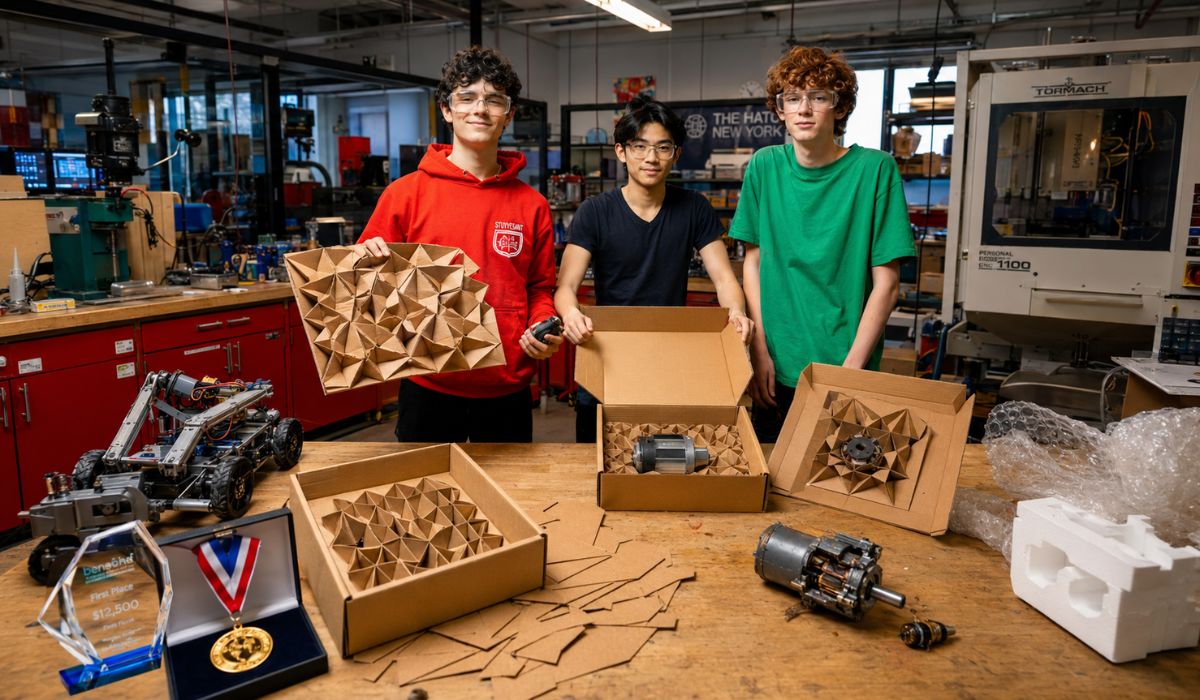
Brazilian students created a $1 filter using pine bark, cotton, and 3D-printed parts to clean cassava wastewater, reduce the toxicity of a hazardous waste, and transform contaminated water into biofertilizer.

-
Astronaut from Artemis II steps down after mission to the Moon and decision surprises after a record of 406,771 km, a historic 10-day journey, and an unprecedented achievement for Canada.

-
A fossil kept for years in a small museum in Montreal concealed 450-million-year-old soft tissue, a discovery that has only happened once before in history.


But the reality is a bit different — and much more interesting.
The Beginning With Pencils
In the early years of the space race, both NASA and the Soviet space agency used pencils to take notes during flights.
It was a practical choice at first glance, as pencils work regardless of gravity and are lightweight.
However, problems soon arose. The graphite from the tips could break off, shatter, and float inside the cabin, threatening to enter sensitive equipment or cause short circuits.
In addition, pencils were flammable, and fires are extremely dangerous in a confined environment like a spaceship.
Another factor was legibility: graphite easily smudges and is not ideal for permanent records.
Therefore, the idea of replacing pencils with a more secure and efficient instrument made sense — and this opened the door for the famous space pen.
The Creation Of The Fisher Space Pen
Contrary to popular belief, NASA did not develop the space pen nor spend millions on it.
That was done by Paul C. Fisher, founder of the Fisher Pen Company, a private company in the United States.
In 1965, Fisher invested his own resources to create a pen that would work in microgravity.
The result was the Fisher Space Pen AG-7, featuring a pressurized ink cartridge that allowed it to write upside down, on wet surfaces, in extreme temperatures, and in a vacuum.
After extensive testing, NASA approved the pen for official use.
The company sold about 400 units to the space agency in 1967, at a cost of US$ 2.39 each — a price equivalent to approximately US$ 25 today. Nothing close to the “millions of dollars” that the popular myth tends to mention.
The most curious part is that shortly thereafter, the Soviet Union also adopted the same pen. The Russian agency purchased 100 units from Fisher and also some ink cartridges.
In other words, both the Americans and the Soviets ended up writing in space with the same American technology.
Why The Myth Spread
The story of the pen versus the pencil was likely spread as a critique of the supposed inefficiency of American bureaucracy.
It’s a simple narrative, with a touch of irony and easy to remember — perfect ingredients for an urban legend.
But, like many stories with good intentions or political messages, it distorts facts to fit a more impactful format. In practice, the decision to seek a safer and more efficient solution for note-taking in space was sensible and successful.
A Legacy That Continues
Today, the Fisher Space Pen is still in production and sold in various versions. Astronauts continue to use the model or its variations on missions to the International Space Station.
The pressurized cartridge remains a useful technology in extreme environments.
The pen has become a collector’s item, a corporate gift, and a symbol of innovation. More than that, it represents how private initiative can offer practical solutions even for the most unusual challenges of space exploration.
Therefore, although the myth of the million-dollar pen is false, the real story behind it shows something even more interesting: creativity, intelligent engineering, and cooperation between countries — all condensed into a simple pen.