






 Portuguese
  Spanish



BW Energy Announces Promising New Oil Discovery Off the Coast of Gabon, Africa
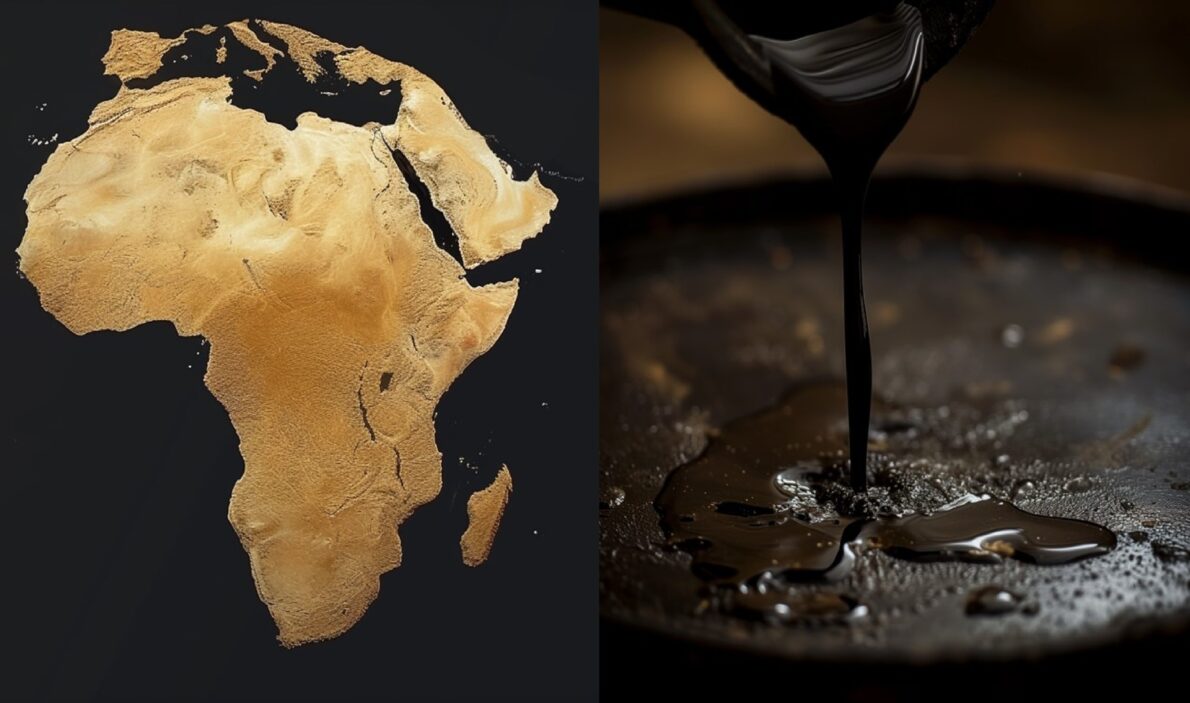
Africa is becoming richer due to a significant new oil discovery by BW Energy, an oil and gas exploration and production company listed in Oslo. The discovery occurred at a pilot appraisal well located in the Dussafu licensed area, off the coast of Gabon. This discoverywas made using a jack-up rig provided by Borr Drilling, an offshore drilling contractor, according to Offshore Energy.
Details of the Oil Discovery in Africa
BW Energy reported that it found good-quality oil at the well DHIBM-7P, drilled to assess the northern flank of the Hibiscus field. This field is part of the company’s Hibiscus/Ruche development project, located approximately 20 kilometers northwest of the Tortue field.
According to Carl K. Arnet, CEO of BW Energy, “This is another confirmation of the significant potential of the Dussafu license, which BW Energy is rapidly unlocking through low-cost, low-risk development activities.”
-
Oil production grows in Rio, but reserve replacement raises a warning sign

-
Petrobras is expected to complete the drilling of the Morpho well in the Foz do Amazonas in August 2026, the first well in the Equatorial Margin, an oil frontier that the ANP estimates at more than 30 billion barrels and could redraw the map of Brazil.

-
Oil returns to the center of concerns with tension between the US and Iran

-
IEA reduces forecast for global oil demand in 2026 after impacts of the Middle East crisis
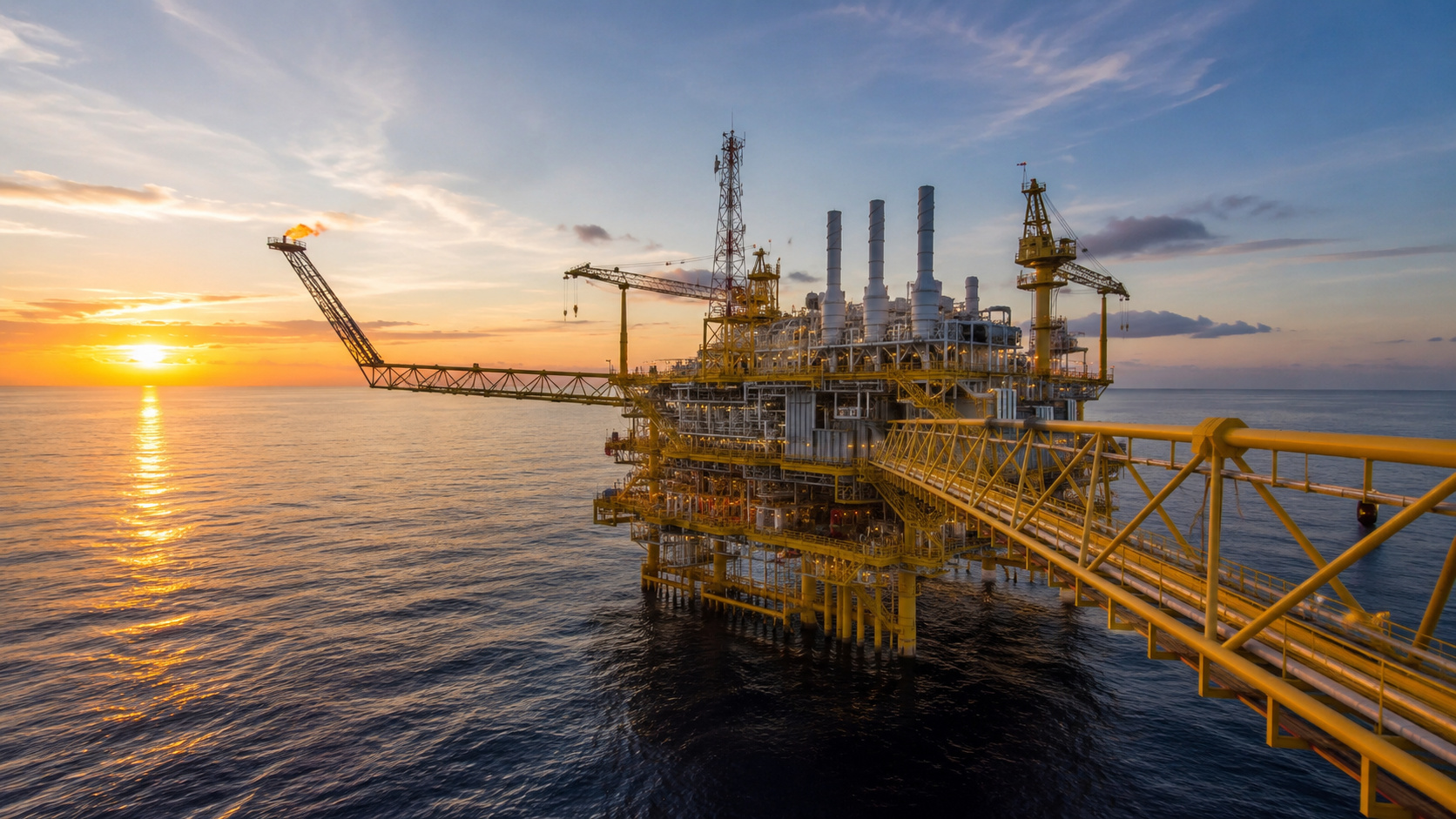


The DHIBM-7P well was drilled to a total depth of 3,941 meters from the MaBoMo production platform, a former jack-up drilling rig repurposed as an offshore production facility with 12 well slots. The target area of the oil discovery is about 1.5 kilometers north-northwest of the MaBoMo and was drilled by the Norve rig from Borr Drilling.
Petrobras Has Also Faced Oil Discovery in Africa


Impact and Future Perspectives
Through evaluation of profiling data, examination of samples, and formation pressure measurements, BW Energy confirmed the existence of approximately 24 meters of pay within a total hydrocarbon column of 37 meters. This discovery marks the first example of a common Gamba-Dentale hydrocarbon accumulation in the Hibiscus field.
BW Energy’s preliminary assessment indicates a remarkable increase in oil discovery not only in the volume of existing oil but also in recoverable gross reserves. Once final data is available, the company is expected to update the analysis and publish the results.
The DHIBM-7P well will be completed as a production well by the end of 2024, along with the DHBSM-2P well in the Hibiscus South field, drilled to test a possible northeastern extension of the field. Following the start of production from the DHBSM-1H well in March, the Hibiscus/Ruche development project is expected to produce oil transported by pipeline to the FPSO BW Adolo, where it will be processed and stored before being offloaded to export tankers.
Growth of the Hydrocarbon Sector in Africa
BW Energy is not the only company expanding its oil portfolio in Africa. Companies from various countries are ramping up the search for hydrocarbons in African waters. The recent oil discoveries in Angola and Namibia are transforming the continent into a new exploration hub.
The Carbon Circle and Amplus VGE, a joint venture between Amplus Energy of the UK and Versatile Group (VG Energy) of Nigeria, have agreed to pool resources to develop marginal oil and gas fields in West Africa. Currently, seven African countries produce liquefied natural gas (LNG) for export, and this number is expected to rise by 2035, with Senegal, Mauritania, Congo, Tanzania, and Ethiopia joining the list, alongside new LNG plants planned in Nigeria and Mozambique.







A África é rica, mas os africanos (população) são pobres. Que incoerência!
África não é rica, temos apenas recursos e muito mais do que já se encontrou. Recursos não é riqueza, somos pobres!!!
Com tanta corrupção na África não dará em nada.trite realidade.
As potências só pensam em corromper os líderes africanos para roubarem as riquezas da África. A nossa realidade