






 Portuguese
  Spanish


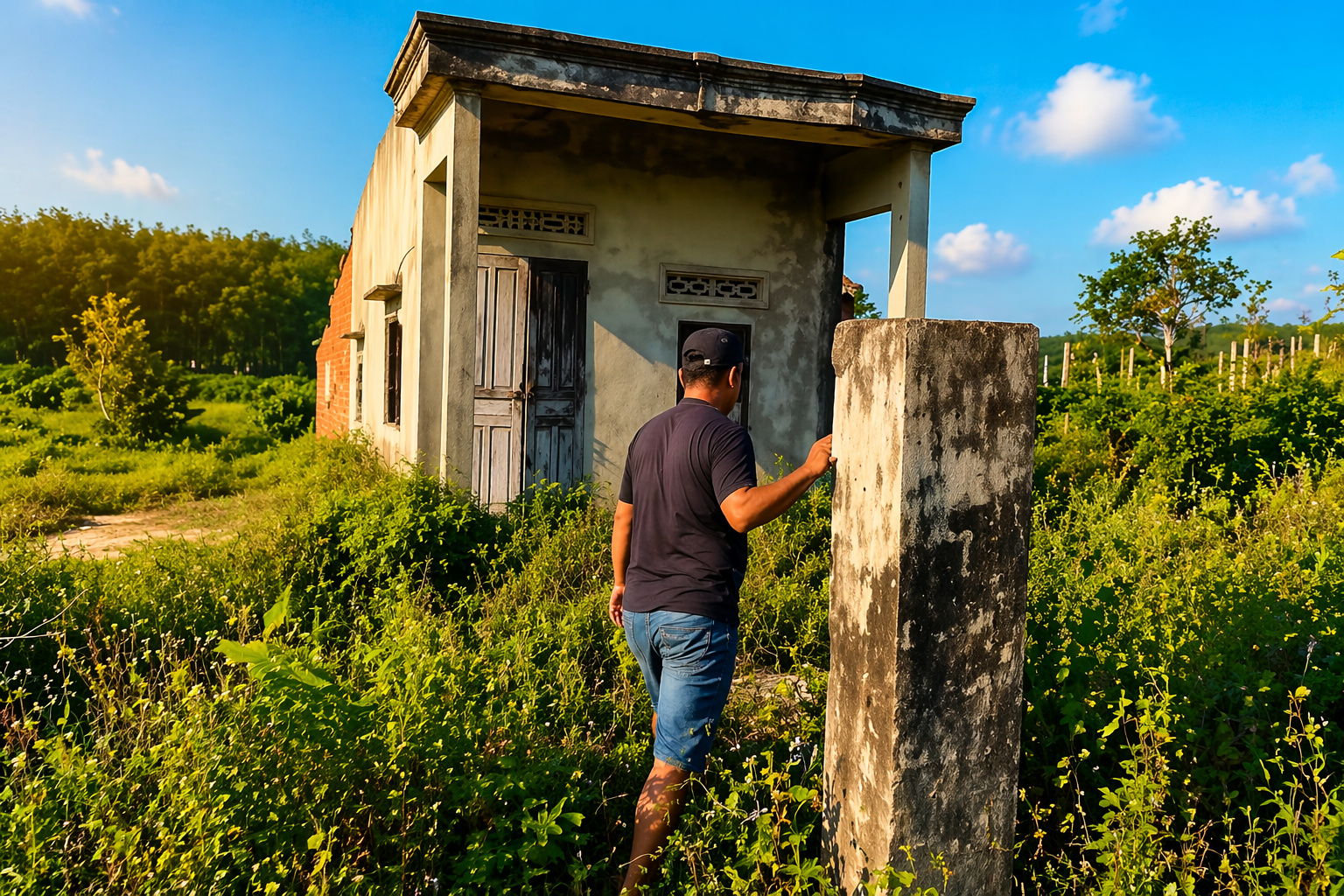

The recovery of an abandoned house renovated shows how manual effort with cleaning of weeds and organization can transform a deteriorated property into a comfortable living space
After going bankrupt and leaving the city, a man decided to invest about 15 thousand reais in the purchase of a renovated abandoned house, starting an intense recovery process of the property. The place showed clear signs of abandonment, with accumulated dirt, worn walls, and a compromised structure.
Even with limited resources, the work was conducted with simple tools and continuous effort. The transformation happened in stages, starting with cleaning and advancing to repairs and complete reorganization of the space.
The report was published by Mowing HOUSE, a digital channel specialized in records of renovations and manual work. The content highlights how constant practice and direct work can generate significant changes in degraded properties.
-
Crab Trapped in Plastic Bottle for 62 Days Near Okinawa Highlights Little-Known Impact of Marine Pollution on Small Animals

-
Esperanza’s Bamboo Barrier in Oaxaca Redirects River and Reduces Erosion by 85% in Five Years

-
Family Builds Homemade Wind Turbine to Power Off-Grid Home, Video Reaches 555,000 Views on Ngô Thị Huyền’s Channel
-
Indian Brand Creates Sneakers from Recycled PET Bottles and Discarded Tires, Repurposing Over 1 Million Bottles and Raising $4 Million for Expansion




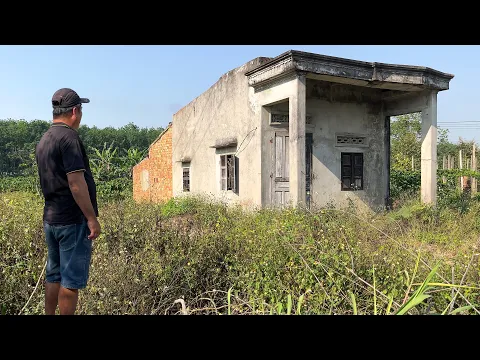

Heavy cleaning reveals the real state of the abandoned house and allows the renovation to begin
The beginning of the renovation required the removal of a large volume of accumulated dirt. The interior of the house was covered in dust, debris, and materials scattered across the floor, making any direct action difficult.
The cleaning was done with broom, shovel, and containers, using repetitive sweeping and collecting motions. This process allowed the basic structure of the property to be exposed, including masonry walls and visibly damaged spots.
With the environment clean, the space began to offer better conditions for work. Visibility increased, making it possible to identify areas that needed immediate intervention.

Repairs on walls improve appearance and recover part of the internal structure
After cleaning, the walls became the main focus. The surface showed cracks, stains, and worn areas, requiring corrections to improve visual stability.
The process involved scraping loose areas and applying putty over the masonry, using a putty knife to level the surface. The work was done manually, paying attention to the most critical points.
The result brought a visible change to the environment. The walls began to present a more uniform appearance, contributing to a more organized space ready for the next stages.
Adjustments to the roof ensure greater protection and reduce internal wear
The roof structure also received attention during the renovation. Some parts were misaligned, which could compromise the protection of the interior of the house.
The work included repositioning wood pieces and adjustments to the covering. The execution required care, as it involved working at height and handling structural elements.
After the adjustments, the roof showed better alignment. This helped reduce problems related to internal exposure and preserved the rest of the structure.
Floor undergoes leveling and improves circulation inside the property
With walls and covering adjusted, the floor was worked on to improve the use of space. The surface had irregularities and accumulated materials.

The intervention included the removal of debris and leveling with simple tools. In some areas, there was filling of gaps to create a more uniform base.
The result was a more functional environment. Circulation inside the house became easier, allowing for continuous use of the space.
Painting transforms the look and highlights the renovated abandoned house
The painting stage brought a significant change in the appearance of the property. The walls received a new layer that uniformed the internal environment.
The use of roller and brush ensured complete coverage of the surfaces. The application was done continuously, avoiding visible flaws.
As a result, the space gained a renewed look. The painting highlighted the results of the repairs and reinforced the sense of organization.
Final organization shows the property ready for use after months of work
In the final stage, the environment underwent complete organization. Tools were removed, and the space received detailed cleaning, eliminating remaining debris.
The internal arrangement showed a functional place, with free areas and clean surfaces. The work focused only on specific adjustments.
Mowing HOUSE, a digital channel specialized in records of renovations and manual work, presented the complete process, highlighting how consistency in tasks was essential for the transformation.
The recovery of the renovated abandoned house shows that the most decisive factor was continuous manual work combined with organization. Even with limited resources, it was possible to completely transform the property.
This type of initiative reinforces that direct practice and consistent effort can yield real results in basic construction.
Would you have the courage to invest in an abandoned house and carry out a renovation of this level?


