






 Portuguese
  Spanish
  5 min of reading
  0 comments


Designed in the 1980s and started back in 2006, the Transnordestina spent so much time between halted and resumed work that it almost became synonymous with a promise that never arrives, and now it has reached 79% completion with the mission to finally connect the interior of the hinterland to two ports on the northeastern coast.
There are projects in Brazil that we grow up hearing about without ever seeing them completed, and the Transnordestina is the most painful example on that list. It was born as an idea in the last century, became a construction site in 2006, and since then has gone through so many impasses, leadership changes, and stoppages that many people had already given up believing. That’s why the number that appears now carries enormous symbolic weight, 79% physical completion.
It’s not just any progress. It’s almost four-fifths of a railway of 1,757 kilometers designed to cut through the Northeast, with investments already nearing 15 billion reais. When complete, the line will stitch the producing interior of Piauí and Ceará to the coast, unloading cargo at ports where the region’s production will finally be able to leave for the world without relying solely on trucks.
Why this railway matters so much to the hinterland
To understand the magnitude of this, it’s worth remembering how the Northeast currently exports what it produces. Grain, minerals, and derivatives mostly leave by road, at a high cost and a slowness that erodes any profit margin. The railway changes this equation fundamentally because a freight train replaces dozens of trucks and crosses the hinterland from end to end at a fraction of the cost.
-
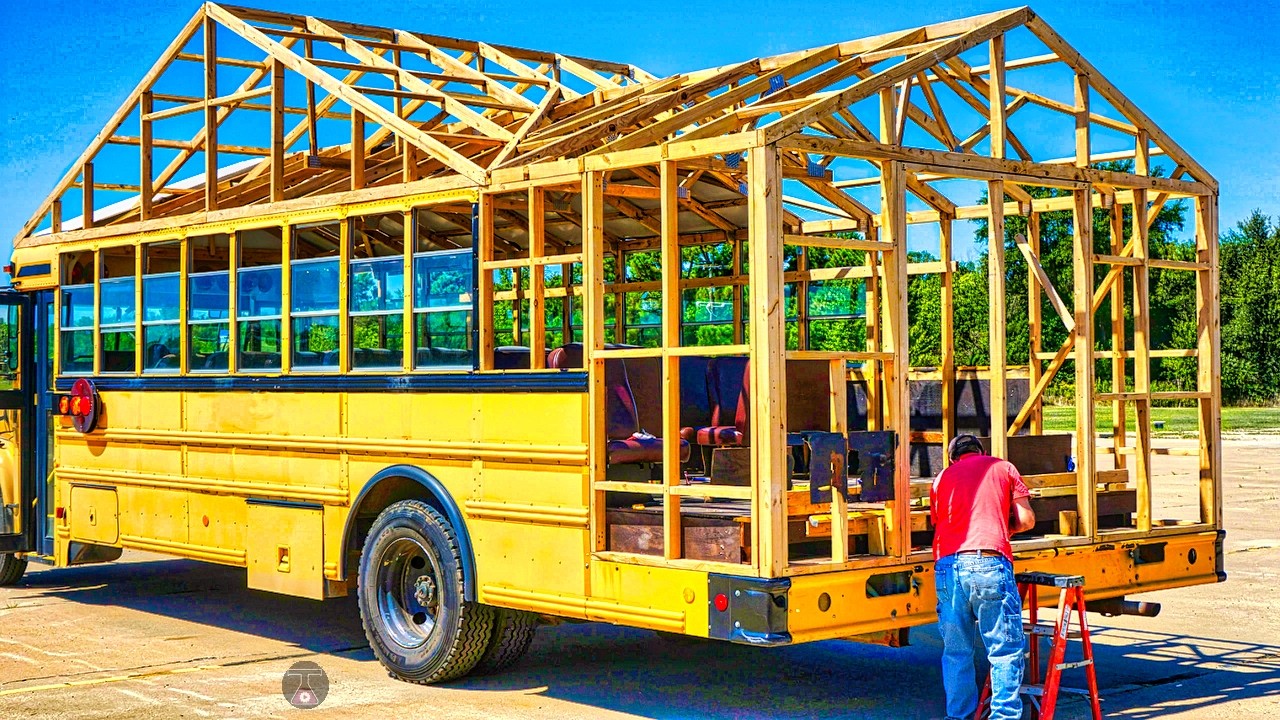
Couple trades four-bedroom house in Canada for a retired school bus costing less than $7.5k bought on Facebook, dismantles the vehicle down to the screws, and transforms the yellow scrap into a luxury home on wheels, with a bedroom, bathroom, kitchen, and handmade skylight.

-
Tired of seeing residents sleeping on the streets, a U.S. city approved a village with 55 micro-houses, rent starting at $300, and an 1880 school transformed into a community center to accommodate people without requiring a minimum income.
-
Mato Grosso inaugurates the first 162 km stretch of the largest railway project underway in Brazil, with around R$ 5 billion invested to transport 10 million tons of grains per year to the Port of Santos.

-
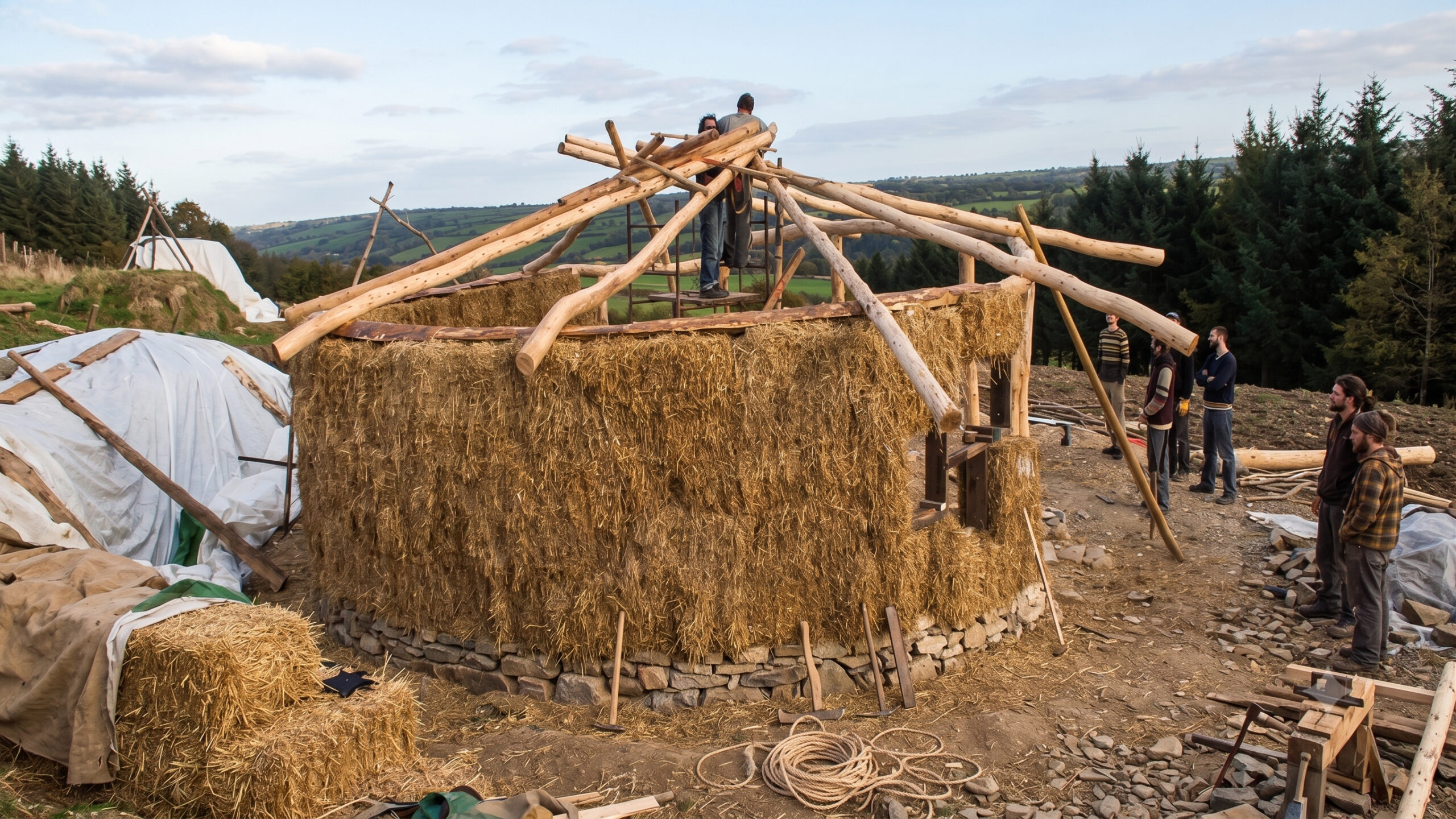
Without money to pay rent and without an architect’s degree, a man took a chisel, chainsaw, and hammer, carved a house into the hillside, and built a fairy-tale dwelling that looks like it’s straight out of The Lord of the Rings in just four months for less than R$ 25,000.



I confess that I’ve always seen the Transnordestina less as a transportation project and more as an economic geography project. It has the potential to transform regions that are currently isolated from the productive circuit into points connected to ports and international markets. Cities that lived on the margins of national logistics now have a track at their doorstep, and this changes vocation, employment, and investment.
The two final destinations help to understand the ambition of the project. The railway was designed to end at ports in Ceará and Pernambuco, precisely the states that look towards the Atlantic and the shortest export route to Europe and the United States. Along the way is the advance of the agricultural frontier that has taken over the west of the Northeast in recent years, a region that produces grain in increasing volumes and currently pays dearly to export everything by road. Connecting this production to a track that runs directly to the port is the kind of change that can redraw the map of Brazilian agribusiness, bringing to life a corridor that the country has pursued for more than a generation. For the common hinterlander, it means the chance for the economy to reach where previously only drought passed.

The curse of never-ending projects
There’s a question that can’t be avoided, why did such a project take so long. The answer is not simple and mixes several factors that Brazil knows well, stalled financing, changes in layout, disputes between states, economic crises that dried up the cash along the way. Each stoppage was costly because a halted railway deteriorates, becomes more expensive, and loses qualified people who go to work elsewhere.
It was this nearly twenty-year saga that made many people treat the Transnordestina with skepticism. And that’s precisely why crossing the 79% mark has a different flavor. It’s not the project starting with pomp, it’s the project entering the final stretch after surviving everything that could have killed it. We are seeing one of those buried projects truly resurrect.

What remains for the train to run from end to end
Reaching 79% is not the same as finishing, and it would be dishonest to pretend otherwise. The last sections of a railway are usually the most difficult because they involve final connections, complicated crossings, and the part of the project that connects the entire system. Even so, the difference between a project at 30% and one at almost 80% is vast, because at a certain point the project gains political and economic weight that makes abandoning it almost unthinkable.
The current pace, driven by new investments and a plan to revive Brazilian railways, suggests that the delivery of operational sections is closer than it has been at any point in the last two decades. And each kilometer delivered already starts to yield, because the railway doesn’t need to be 100% complete to move cargo on the finished sections.

An old promise beginning to turn into tracks
I imagine what it will mean for an entire generation of Northeasterners to finally see a freight train crossing the hinterland on a line that seemed doomed to remain forever on paper. The Transnordestina has stopped being an easy joke about eternal projects and has become an example that giant projects, even the most delayed ones, can get there when there is continuity and money coming in.
Brazil has a historical railway deficit, and seeing one of the most symbolic ones enter the final stretch is the kind of news that provides a breath of logistical optimism. There’s still a way to go, but the track left to lay is much smaller than what has already been put on the ground.
Do you believe that the Transnordestina will finally run from end to end, or is there still room for doubt after so many years?


Be the first to react!