Portuguese
  Spanish


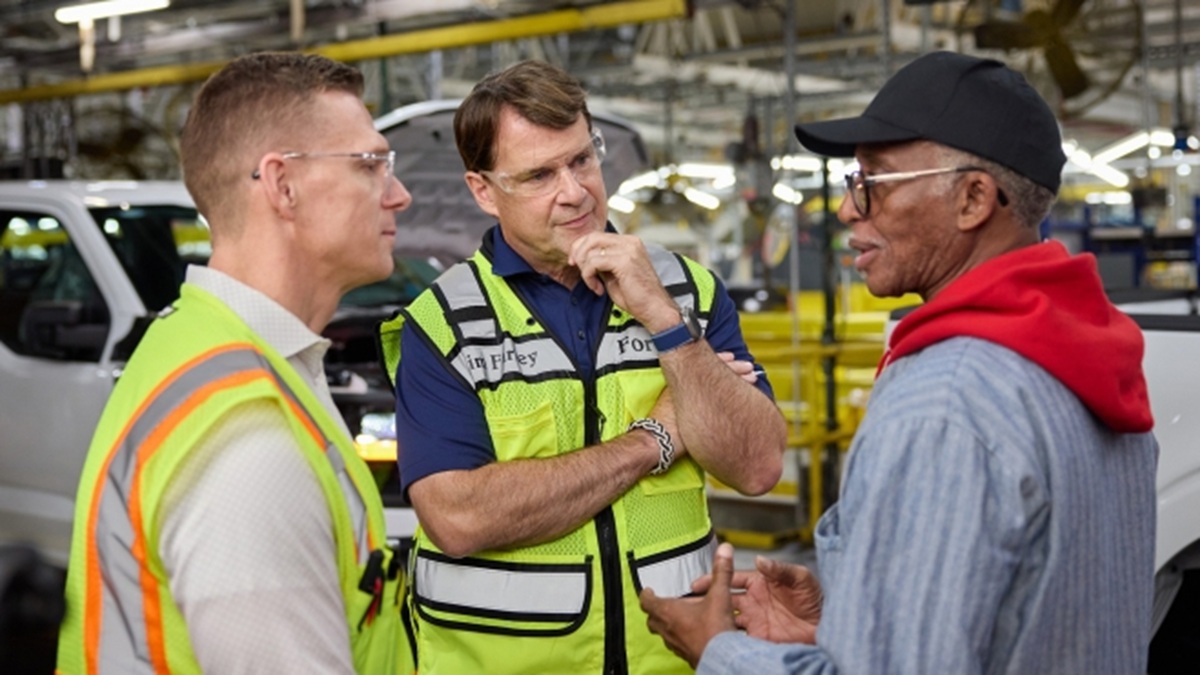

The CEO of Ford exposed the fear of U.S. automakers in the face of Chinese electric cars, citing risks to the industry, jobs, data security, and American competitiveness, while the brand prepares an electric pickup for less than $30,000
The CEO of Ford, Jim Farley, issued a direct warning about the advance of Chinese electric cars and expressed concern that the U.S. industry could lose market share, jobs, and production capacity if these brands manage to enter the American market en masse with cheaper and technologically advanced vehicles.
Ford CEO sees direct threat from China
Jim Farley’s remarks drew attention because the executive had previously shown admiration for the Chinese industry. Months earlier, it was revealed that he drove a Xiaomi SU7 daily to test features and observe solutions that could influence future Ford releases.
At the time, Farley described the Chinese electric sedan as “incredible” and said he had been using the model for six months, with no desire to part with it. Despite this recognition, the Ford CEO has now made it clear that he sees a real risk in the growth of Chinese automakers outside their domestic market.
-
Suitcase-sized hydrogen engine spins at 25,000 rpm, nearly doubling the efficiency of conventional cars and replacing exhaust smoke with water vapor

-
1983 Chevrolet Runs Over 100,000 km Without Gasoline, Powered by Wood Chips, Reaches 125 km/h in Airport Test

-
Workshop Converts Giant Tractor Tire Tricycle into a Three-Wheel Drive Hybrid with 36,000-Watt Electric Motor Capable of Climbing Hills

-
Sales of Brazil’s Cheapest Electric Car Halted Before First Deliveries: E-Motors Suspends Emova Easy Due to Import Tax Increase and Rising Freight Costs

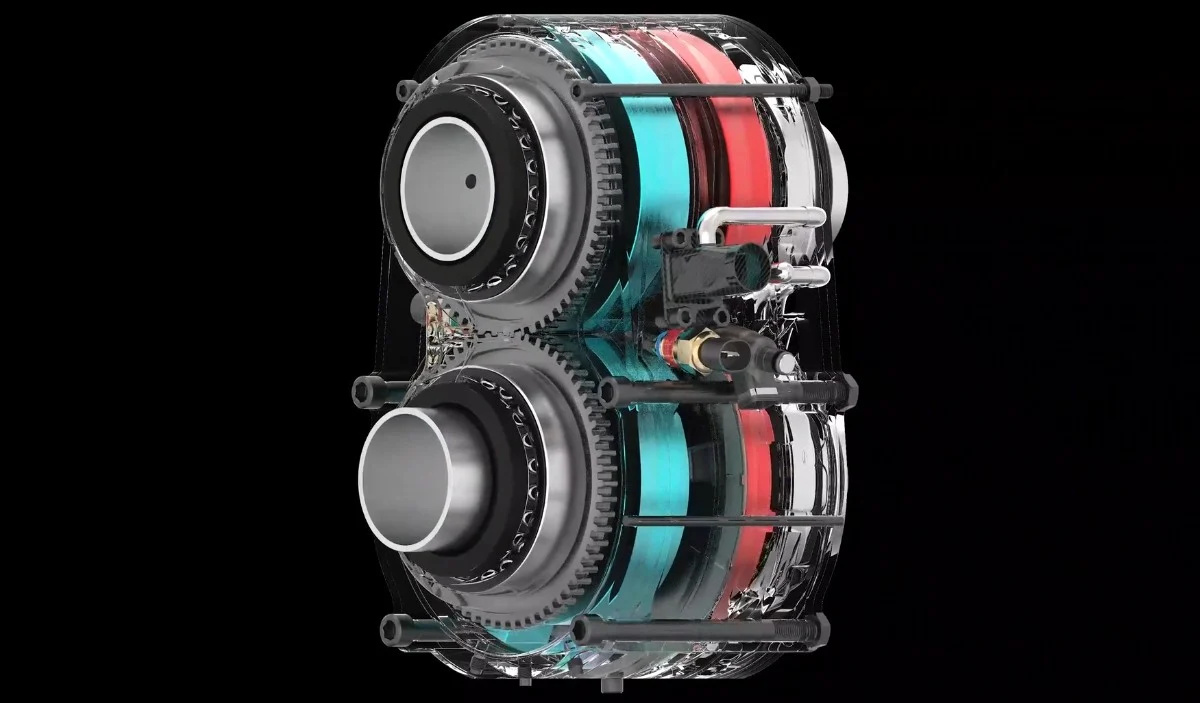



During a recent interview, Farley stated that the manufacturing industry is the heart and soul of the United States and that losing it to exports would be devastating for the country. The statement was seen as a sign of the growing fear among Western manufacturers in the face of Chinese dominance in the electric vehicle sector.
Chinese industrial capacity worries automakers
The central point raised by Farley is China’s industrial capacity to fully meet the demand of the American market. In practice, this would mean that, without entry barriers, Chinese brands could quickly occupy space in the United States with more affordable and technology-packed models.
In the view of the Ford CEO, this competition would not be balanced due to the government support given to Chinese automakers. This factor, combined with technological advancement and economies of scale, increases the concern of traditional companies competing in the global market.
The fear involves not just sales or market share. For Farley, the impact would be much deeper, directly affecting the American industrial base and causing significant effects on domestic employment.
High tariffs attempt to contain the advance
This scenario helps explain why the United States maintains high tariffs on Chinese electric cars. In some cases, these rates exceed 100%, which practically blocks the direct entry of these vehicles into the American market.
The maintenance of these barriers is treated as a way to protect the national industry against what is considered aggressive competition. At the same time, the debate shows that the dispute goes beyond the commercial realm and advances into more sensitive areas.
According to Business Insider, the concerns mentioned by Farley also involve security and privacy. This is because current vehicles come equipped with cameras, sensors, and connected systems capable of collecting large volumes of data.
Security, privacy, and geopolitics enter the dispute
The mass entry of connected cars from China raises questions about the use of this information. This argument gained weight in the technological restrictions imposed by the United States government on Chinese vehicles and components.
As a result, the discussion is no longer just a battle between automakers and begins to involve technology, geopolitics, and industrial strategy. Any change in the rules would have effects far beyond the automotive sector, impacting areas considered sensitive for the country.
In this context, Farley’s warning is not just about price competition. He points to a scenario where industry, data, and national security begin to walk together at the center of the dispute between Americans and Chinese.
Ford races to respond with cheaper electrics
In light of this pressure, Ford is already working on a new platform aimed at more affordable electric cars. The idea is to close the gap with Asian rivals and offer products with greater price competitiveness.
Farley presented this project months ago and confirmed that the first model will be an electric pickup priced below $30,000. After that, other alternatives are expected to be launched to better cater to European tastes, although this is not likely to happen before 2028.
This move shows that Ford’s CEO is not only sounding the alarm but also trying to prepare the company to face a dispute that is likely to intensify. By speaking so harshly about Chinese cars, Farley exposed the scale of the battle that Ford believes lies ahead.