






 Portuguese
  Spanish


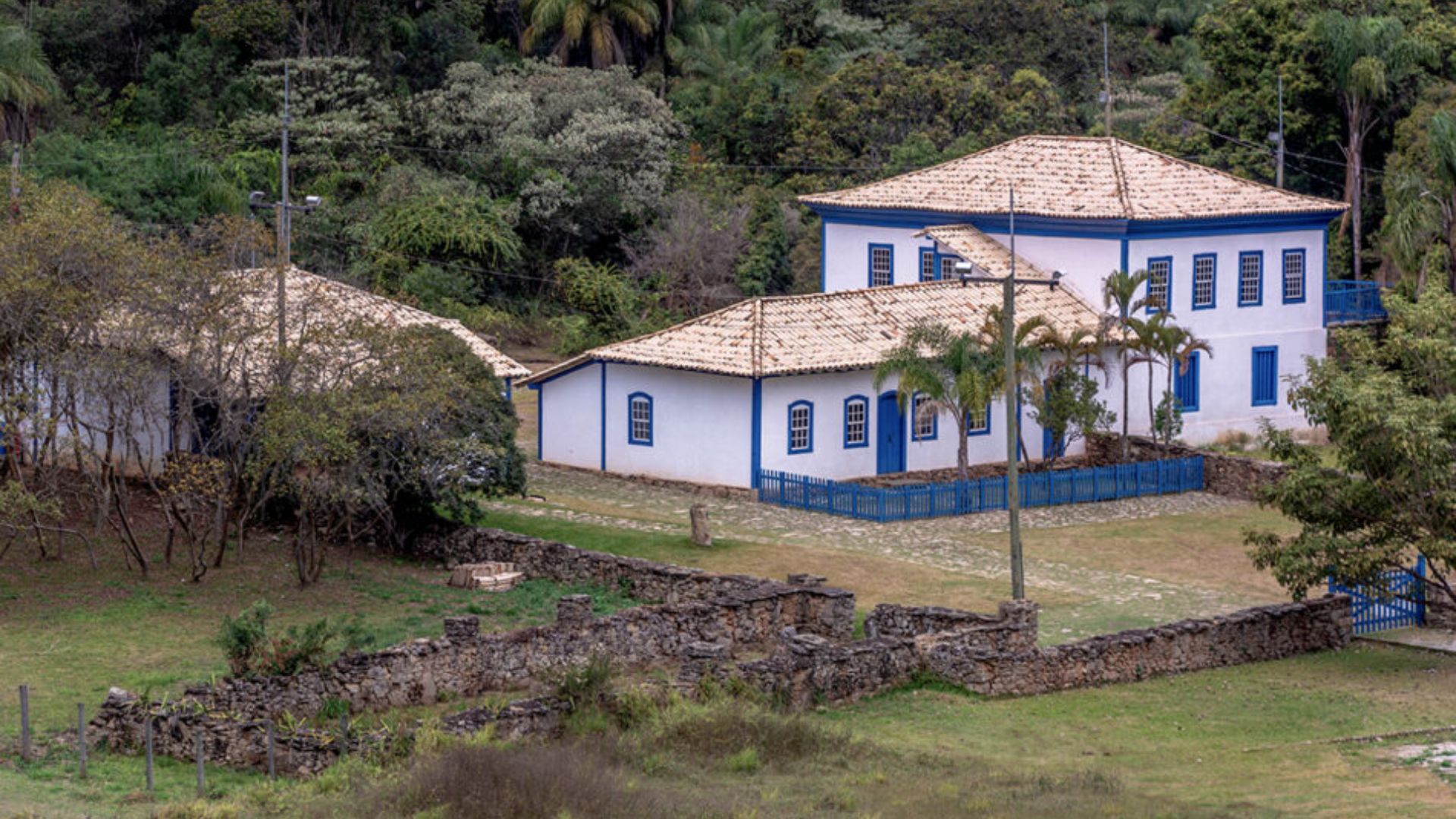


Centenary Farm in Inhapim Becomes a Living Museum That Preserves Rural Traditions, Welcomes Visitors, and Combines Experiential Tourism with the Production of Typical Foods to Strengthen Family Farming in the Region.
A centenary farm in Inhapim, in the Rio Doce Valley, has been transformed into a living museum to preserve the memory of family farming while generating income through experiential tourism.
At the site, visitors find ox carts, plows, mills, monjolos, waterwheels, and a distillery still in operation, in addition to the production of rapadura and artisanal cachaça.
The property, maintained by a family of farmers, receives groups of students and tourists from various cities in the region, with support from the Technical Assistance and Rural Extension Company of the State of Minas Gerais (Emater-MG).
-
Young Entrepreneur Expands from 50 to 1,400 Chickens, Proving “Happy Hens” Can Be a Viable Business

-
Small Farm in Brazil’s Minas Gerais Produces 403 Liters of Milk Daily, Sets Benchmark for Rural Producers
-
Man Revives 1930s Abandoned Trout Farm, Learns from Scratch, and Earns $1.1 Million Annually Selling Fish to Michelin-Starred Restaurants

-
Bangladeshi Farmers Use Bamboo Levers to Pump Thousands of Liters of Water Daily Without Engines or Electricity


Initially opened for visitation in 2014, the Mamédio Francisco Militão Rural Museum occupies a rural area in Córrego do Alegre, a district of Inhapim, and is registered in the national museum registry as an ecomuseum focused on family farming.
The proposal is to practically show how families that depend on farming lived and still live, highlighting the role of rural tourism in keeping small properties active in the interior of Minas Gerais.
Origin of the Museum and Roots of the Militão Family

The origin of the farm dates back to 1920, when Mamédio Francisco Militão’s family left Rio Pomba, in the Zona da Mata, in an ox cart heading to Inhapim.
In the new municipality, they established themselves in the rural area and began to accumulate tools, objects, and structures related to working the land.
Many of these pieces have been preserved over the decades and today make up the museum’s collection.
The project’s idealizer, family farmer Maria das Dores Militão Barroso, decided to transform the family’s heritage into an organized visitation space.
She named the museum after her father, who gathered and preserved much of the displayed material.
According to the farmer, the initiative started as an old desire to give a new purpose to the collection while concurrently honoring it.
Over time, the farm transformed into what the responsible parties define as a “living museum”: operational equipment, animals, crops, and the routine of a functioning rural property.
The experience includes observation, participation in activities, and interaction with local residents and workers.
Rural Tourism, Education, and Guided Tours

The museum visits are guided and aimed mainly at school groups but are also open to families and tourists interested in learning about rural life.
Emater-MG provided assistance in structuring the itinerary, organizing visitor flow, and defining content related to environmental preservation, the sugarcane cycle, and the history of family farming.
The route includes explanations about planting areas, animal husbandry, and environments for producing typical foods.
Visitors closely observe the operation of water-powered equipment, such as monjolos and waterwheels.
Throughout various sections, participants are invited to try their hand at farming tasks, reinforcing the immersive nature of the proposal.
In addition to the circuit through the facilities, the farm offers meals prepared on-site, featuring dishes linked to rural Minas Gerais cuisine.
According to the organizers, the food is part of the experiential tourism concept, associating flavors, aromas, and sounds with the museum’s landscape.
Emater-MG emphasizes that the space helps bridge urban residents with the realities of rural life.

Students and visitors gain a concrete understanding of where the foods consumed daily come from and what technologies support small rural properties.
Rural Identity, Memory, and Community Participation
More than just storing old objects, the Mamédio Francisco Militão Rural Museum values family farming as part of local identity.
Technical texts and records of international awards indicate that the initiative also focuses on environmental education, responsible water use, and strengthening family roots.
The project was born in partnership with the Fofinha Women’s Association, the Municipal Council for Sustainable Rural Development, and Emater-MG.
This collaboration gave the museum a focus on social inclusion and community participation.
External recognition came in 2016, when the project received a honorable mention at the Ibermuseus Education Prize, which values educational initiatives of museums in Latin America and the Iberian Peninsula.
The recognition reinforced the farm-museum as a reference in proposals that associate memory preservation, community participation, and pedagogical activities.

Food Production, Rapadura, and Artisanal Cachaça
Alongside visitation, the property continues to function as a productive unit.
With technical support from Emater-MG professionals, the family maintains small-scale crops of rice and beans, as well as a sugar cane processing structure that allows them to produce rapadura and cachaça.
The cachaça is made in a traditional distillery located on the farm, from sugarcane grown on-site.
Estimates released by Emater-MG indicate that annual production reaches about 30 thousand liters, intended for commercialization in partnership with associations of family farmers in the region.
The rapadura complements the portfolio of artisanal products and is often offered to visitors and external consumers.
Those participating in the visits can follow all stages of the process, from sugarcane grinding to cachaça resting.
This model, which combines tourism and agricultural production, is pointed out by experts as a strategy to diversify the income of small properties in Minas Gerais.
Experiential Tourism and Families’ Staying in the Countryside

The Mamédio Francisco Militão Rural Museum is included in official tourist itineraries of Minas and appears in public directories as a cultural facility dedicated to family farming.
Entry is free, and visits are scheduled in advance, mainly for school groups.
The contact for information and scheduling is made by phone or email directly with the museum organization.
By offering rides in ox carts, carriages, horseback riding, trails, and typical meals, the space reinforces the idea that experiential tourism and the memory of farming help families to remain in the countryside.
Instead of abandoning old structures, the property repurposes them, transforming them into educational attractions and sources of income.
In this context, where many small properties face economic difficulties and the risk of rural depopulation, initiatives like the one in Inhapim preserve traditional practices, knowledge, and ways of life.
How many other farms scattered throughout the interior of Minas could follow the same path and transform into living museums capable of telling the story of family farming and strengthening those who still rely on the land?





Gostaria de visitar, mais não tem um telefone pra fazer agendamento…
Está casa da foto, é da Fazenda Paraopeba, no município de Conselheiro Lafaiete e não no vale do Rio Doce.
Bom dia. Passo em frente essa fazendo sempre quando estou indo para visitar clientes na região acho muito linda