






 Portuguese
  Spanish


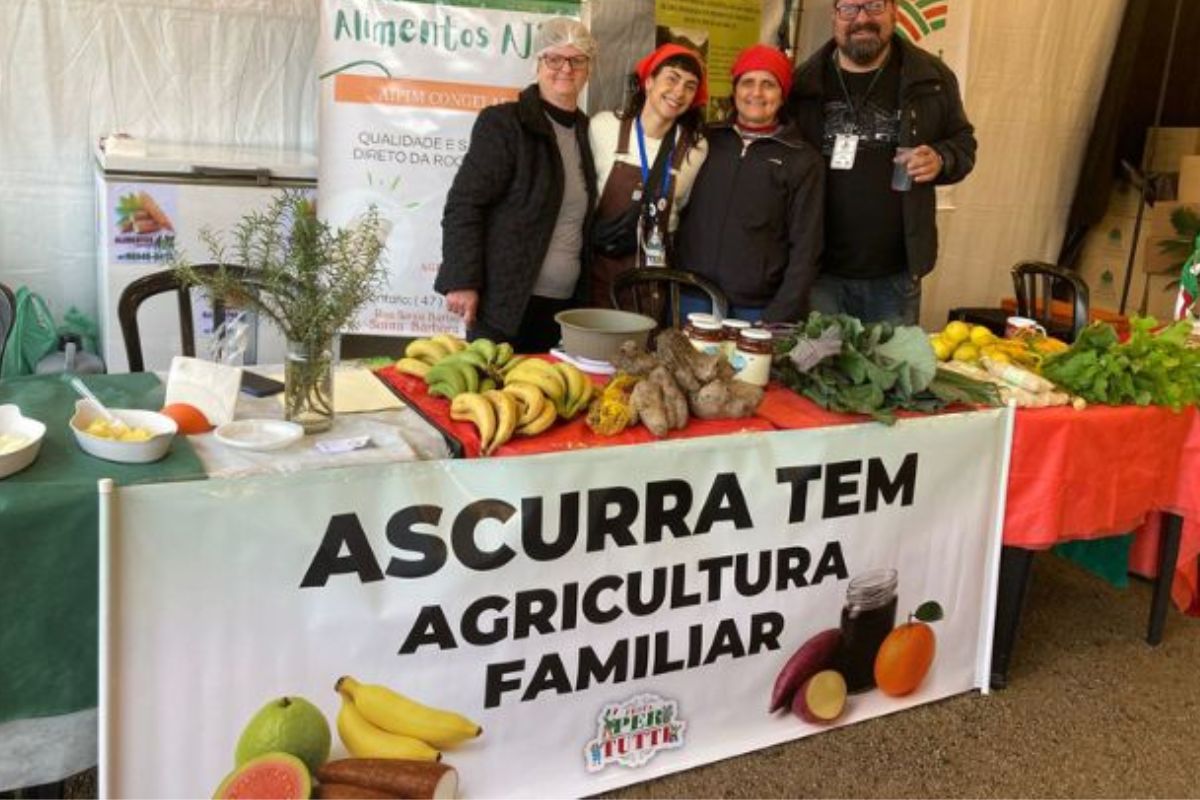
The Symposium in the City of Ascurra Brings Together Experts and Producers to Discuss Innovation, Sustainability, and Opportunities for Family Farming in the European Valley, Strengthening Public Policies and Inclusion of Youth in the Countryside
The family farming of the European Valley stands out in the Santa Catarina scenario with the realization of the 1st Regional Symposium, in Ascurra, on October 30, according to a news article published.
The meeting, organized by the city hall in partnership with Epagri, Amvale, and the European Valley Management School (EGVE), aims to promote integration among producers, managers, and nutritionists, as well as stimulate the consumption of local foods in school meals.
The event takes place from 8 am to 4 pm, at the Integrated Education Center and at Parque Per Tutti, focusing on strengthening the rural economy and valuing the role of family farmers in the region’s food security.
-
India’s Sugar Export Cuts and Ethanol Shift Amid El Niño Threat Could Impact Global Prices and Stocks

-
Quarantine Pest Threatening Palm Trees Puts Brazilian Authorities on Alert, Prompts Monitoring at University of Taubaté and Potential Control Measures Across São Paulo
-
Global Alert: Report Finds 159 Pesticides in Coffee Beans Sold in Europe, Posing Serious Risks to Millions of Farm Workers
-
Low-Demand Brazilian Beef Offal Gains Popularity Abroad: Indonesia Purchases $19.5 Million, Boosting Revenue and Reducing Waste



Local Foods Strengthen Economy and Rural Sustainability
Nutritionist Maira dos Santos, from the city hall of Ascurra, coordinates the symposium after hearing demands from producers during the 26th Per Tutti Festival in August.
The main request was to include processed products, such as jams and cookies, in public purchases intended for school meals.
The event, therefore, was born to bring together farmers, nutritionists, and municipal managers, creating direct dialogue between those who produce and those who define food policies.
With the recent sanctioning of Law No. 15.226/2025, which increased the minimum percentage of purchases from the family farming of the European Valley by the National School Feeding Program (PNAE) from 30% to 45%, producers now have more financial stability and encouragement to invest in improvements and new crops.
“This change strengthens the producer and creates conditions for youth to stay in the countryside with real growth prospects,” Maira states.
Innovation and Young Producers: New Directions for the Countryside
Among the most anticipated topics of the symposium is the discussion about rural innovation and family succession.
Epagri’s extension worker and agronomist Tatiane Carine Silva will address how technical assistance and support from the Company help farmers access public notices and insert their products into municipal schools.
She highlights the role of extension workers in coordinating with nutritionists and in production planning, respecting food seasonality.
The event will also present experiences of young entrepreneurs who invest in alternative crops, such as mushroom and specialty vegetable cultivation, a growing trend among rural families.
The family farming of the European Valley has attracted new generations by combining tradition, sustainability, and income. This movement reinforces the potential of regional agribusiness as an agent of innovation in the countryside and a protagonist in the fight against hunger.
Public Policies and Appreciation of Local Producers
In the afternoon, the symposium continues with lectures from Epagri’s social extensionists, Mabel Lago and Roberta Ramos, who will present support programs for PNAE management and best practices in marketing.
Then, Maira dos Santos will show the results of the current municipal management in valuing the family farming of the European Valley, highlighting how constant dialogue between public authorities and producers has generated concrete advances.
Closing the event, agronomist, state deputy, and environmentalist Marquito will discuss public policies aimed at sustainable agriculture and combating food insecurity.
After the lectures, the Family Farming Open Fair, at Parque Per Tutti, will gather producers from 15 municipalities, including Santo Amaro da Imperatriz and Vitor Meirelles.
This space will allow visitors to learn about and purchase regional products, from fresh fruits to processed foods, reinforcing the link between conscious consumption and local economy.
The symposium is open to producers, managers, and nutritionists. The complete program includes:
- What: 1st Symposium on Family Farming of the European Valley
- When: Thursday, October 30, from 8 am to 4 pm
- Where: Integrated Education Center and Parque Per Tutti – Rua Lúcio Marchi, s/nº, Bairro Tamanduá, Ascurra
- Information: (48) 99858-9803
With initiatives like this, the family farming of the European Valley reaffirms its importance in food security, environmental preservation, and income generation, establishing itself as an essential pillar of sustainable development in Santa Catarina.







Be the first to react!