Portuguese
  Spanish


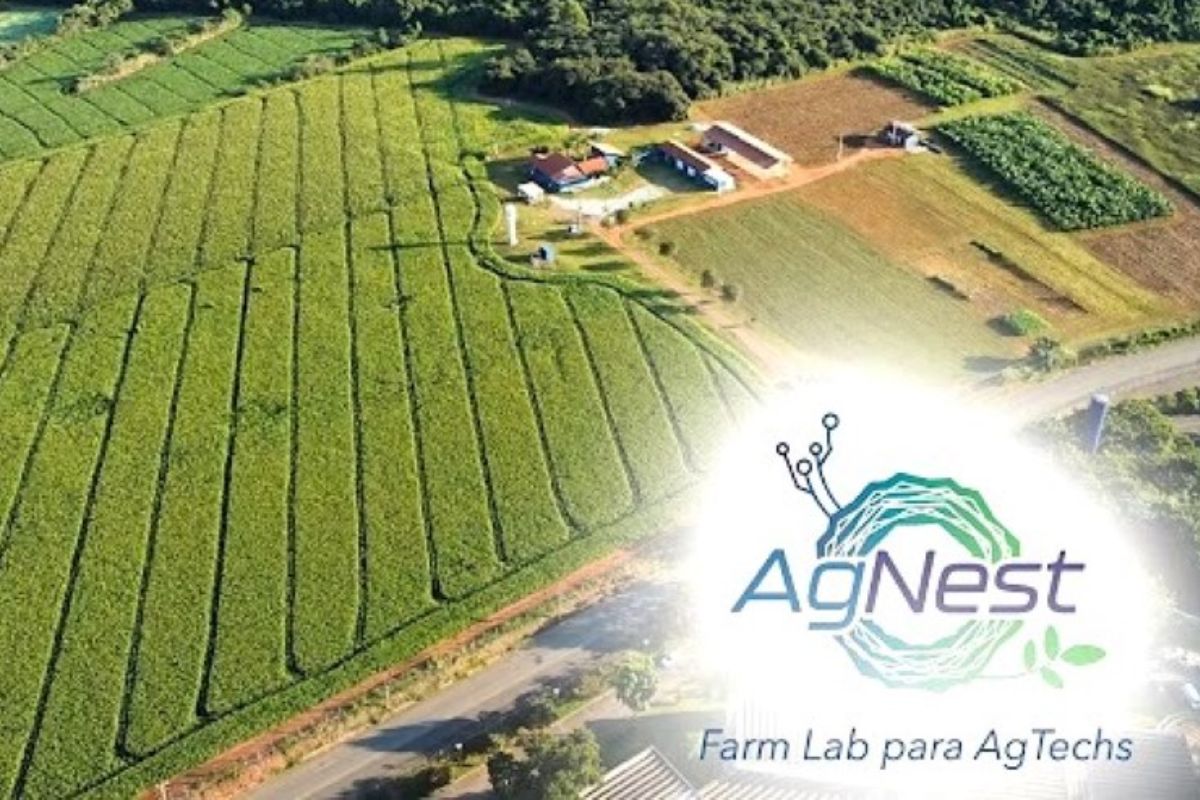

The New Partnership Between Sebrae-SP and AgNest Strengthens Agriculture in São Paulo with Tests of Innovative Agricultural Technologies on Real Farms, Stimulating Sustainability and Competitiveness in the Field
The agriculture in São Paulo is gaining new momentum with the partnership established between Sebrae-SP and AgNest. The goal is to validate, in real production environments, technological solutions created by startups from the Speed Agro program, according to a report published.
The project began on October 8, during the first meeting of the five selected startups, one from each hub city of the São Paulo Agricultural Innovation Corridor, known as the Agro Corridor.
The initiative aims to strengthen the innovation ecosystem, uniting science, entrepreneurship, and sustainable production practices in the São Paulo countryside.
-
Brazilian Family’s Cheese, Started with One Cow in 1984, Named Best in the World, Beating 2,700 Competitors from 30 Countries

-
Brazilian Ranchers Use Satellites to Optimize Pasture Management and Prevent Feed Loss in Cattle Farms

-
Russia Follows China in Recognizing Brazil as Free from Foot-and-Mouth Disease Without Vaccination, Boosting Meat Exports and Agribusiness Potential

-
23-Year-Old Brazilian Turns Beekeeping into College Tuition, Harvesting Honey Twice a Year from 50 Hives


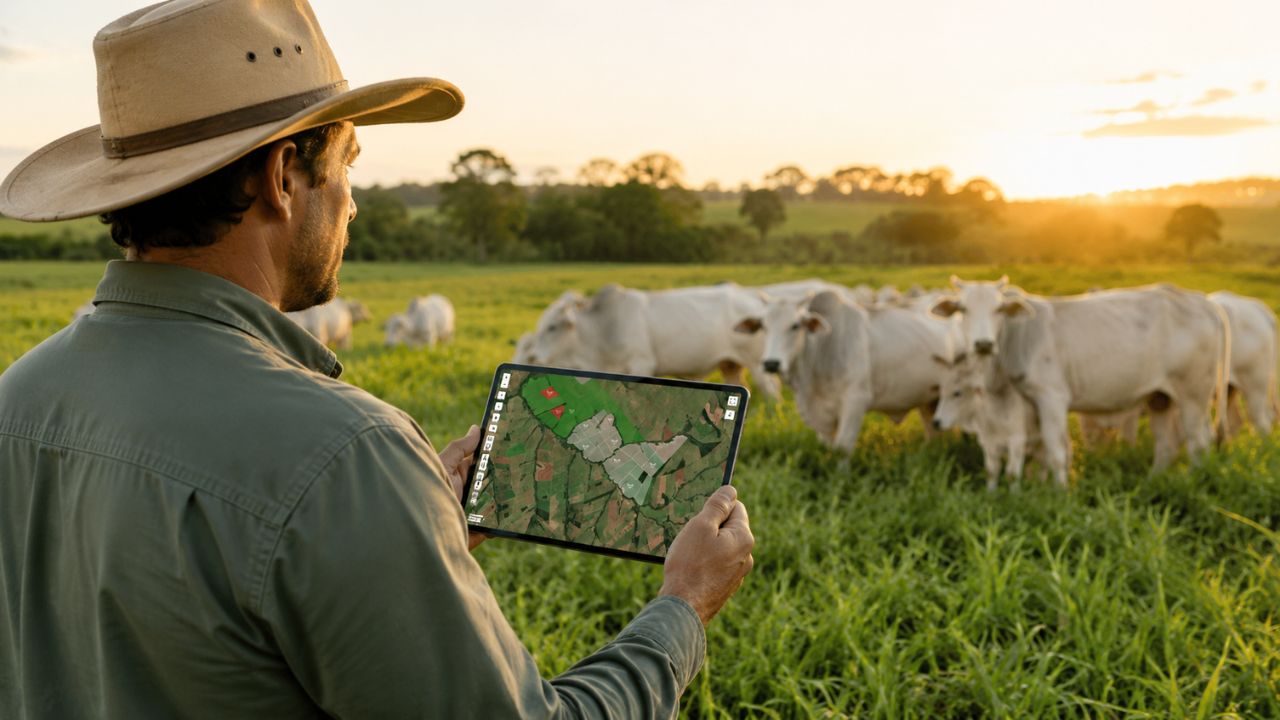


The Speed Agro, developed by Sebrae for Startups, connects entrepreneurs and institutions in the interior of São Paulo, fostering the exchange of experiences and the creation of high-impact solutions for the agribusiness sector.
With the new partnership, Sebrae-SP reinforces its mission to support small rural entrepreneurs and promote the modernization of agriculture through applied innovation.
Startups Validate Technologies in the Field and Strengthen Agriculture in São Paulo
The main highlight of the meeting in Jaguariúna was the announcement that the selected solutions will be tested directly on AgNest’s experimental farms.
The space, designed by Embrapa Meio Ambiente and Embrapa Agricultura Digital, with support from Banco do Brasil, acts as an innovation hub in the format of a “farm lab.”
In it, startups will have access to advanced infrastructure to test their technologies in real conditions, following technical validation protocols, which reinforces the scientific credibility of the agriculture in São Paulo.
According to Angélica Alves, innovation manager at Sebrae-SP in Campinas, this partnership is a milestone for the maturation of the regional ecosystem.
She emphasizes that the program puts into practice what the startups develop, validating solutions and generating concrete investment and expansion opportunities.
The project will allow tests to extend until the end of the winter harvest of 2026, producing consistent data that prove results and promote adjustments according to the demands of the field.
Strengthening Smart Farms Based on Data
The CEO of Impactability, Leonardo Tostes, operational manager of AgNest, highlighted that the union between Sebrae-SP and AgNest represents a strategic advancement for Brazilian agriculture.
According to him, the collaboration creates a solid bridge between technology and the field, driving the development of smart and sustainable farms, pillars that strengthen the agriculture in São Paulo.
For Janaína Tanure, head of Technology Transfer at Embrapa Meio Ambiente, AgNest was designed to build connections between science, entrepreneurship, and the productive sector.
She states that the partnership materializes this purpose, allowing startups to access a robust testing and validation ecosystem.
In this way, the agriculture in São Paulo consolidates itself as a reference in applied innovation, contributing to greater efficiency, competitiveness, and sustainability in the sector.
The movement reinforces the commitment of Sebrae-SP and Embrapa to make the state a technological agricultural hub, where transformative ideas gain space and intelligent solutions translate into productivity and long-term rural sustainability.