Portuguese
  Spanish


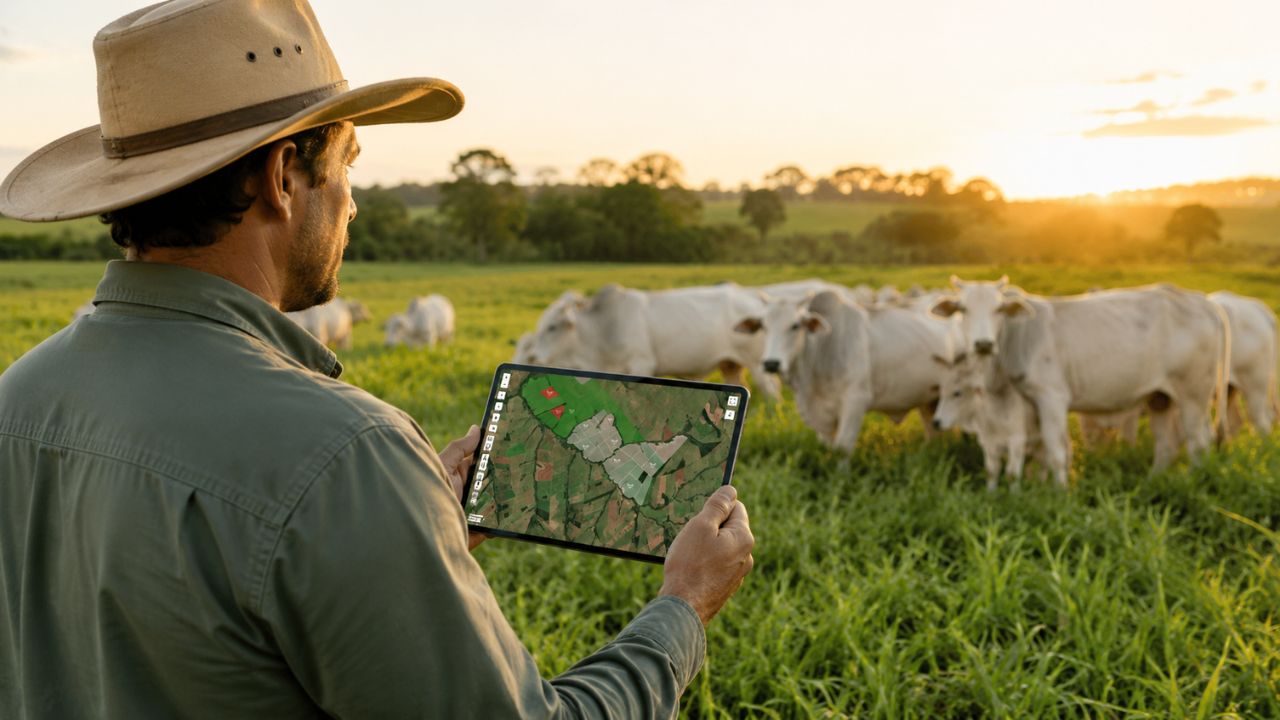

In livestock farms, pastures are starting to be analyzed using digital maps and smart indicators, allowing farmers to identify areas in recovery, spots with loss of vigor, and the most suitable times to adjust animal stocking.
In Brazil, part of the livestock industry is beginning to replace the isolated view of the field with satellite images, artificial intelligence, and historical data. JetBov has launched Smart Pasture Monitoring, a solution created to monitor pasture conditions and help producers decide when to move cattle to a different area, where to fertilize, and which paddock needs recovery.
The strongest data lies in the foundation used to develop the technology. According to R7, in a publication in Mundo Agro, SmartNDVI was built with over 10 years of data, involving more than 14 million animals and 3.5 million pasture areas. In a country with 238.2 million heads of cattle in 2024, according to IBGE, the change targets a massive routine within the farms.
The decision that once relied on the eye now gains an indicator
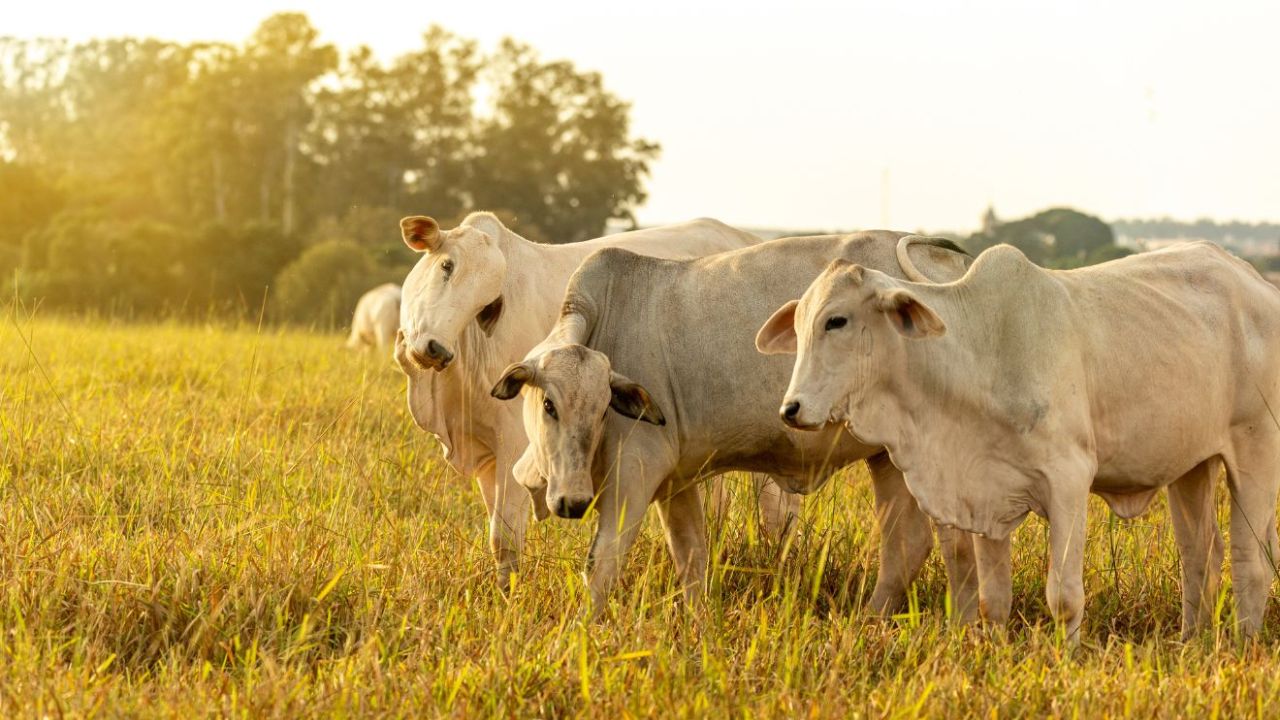
Moving cattle from paddock to paddock seems simple, but it determines how much food will be utilized, how long the area will have to rest, and whether the pasture will maintain vigor throughout the cycle. When this decision is delayed, the animal may consume more than ideal. When it happens too soon, part of the forage may be lost.
-
Russia Follows China in Recognizing Brazil as Free from Foot-and-Mouth Disease Without Vaccination, Boosting Meat Exports and Agribusiness Potential

-
23-Year-Old Brazilian Turns Beekeeping into College Tuition, Harvesting Honey Twice a Year from 50 Hives

-
10-Year-Old Boy Persists After Being Told He’s Too Young, Now Helps Manage Brazilian Farm and Launches New Project
-
Chinese Farmers Develop “Blanket Greenhouses” to Grow Vegetables in Extreme Winter Without Heaters


According to Canal do Criador, JetBov’s system uses remote satellite sensing, artificial intelligence, machine learning, climatic data, and vegetative information to monitor pasture conditions.
In practice, the producer starts to see each area on a map. The proposal is to show which paddock is better, which has lost vigor, which needs rest, and where management can be adjusted before the problem hits the pocket.
SmartNDVI turns satellite image into field decision
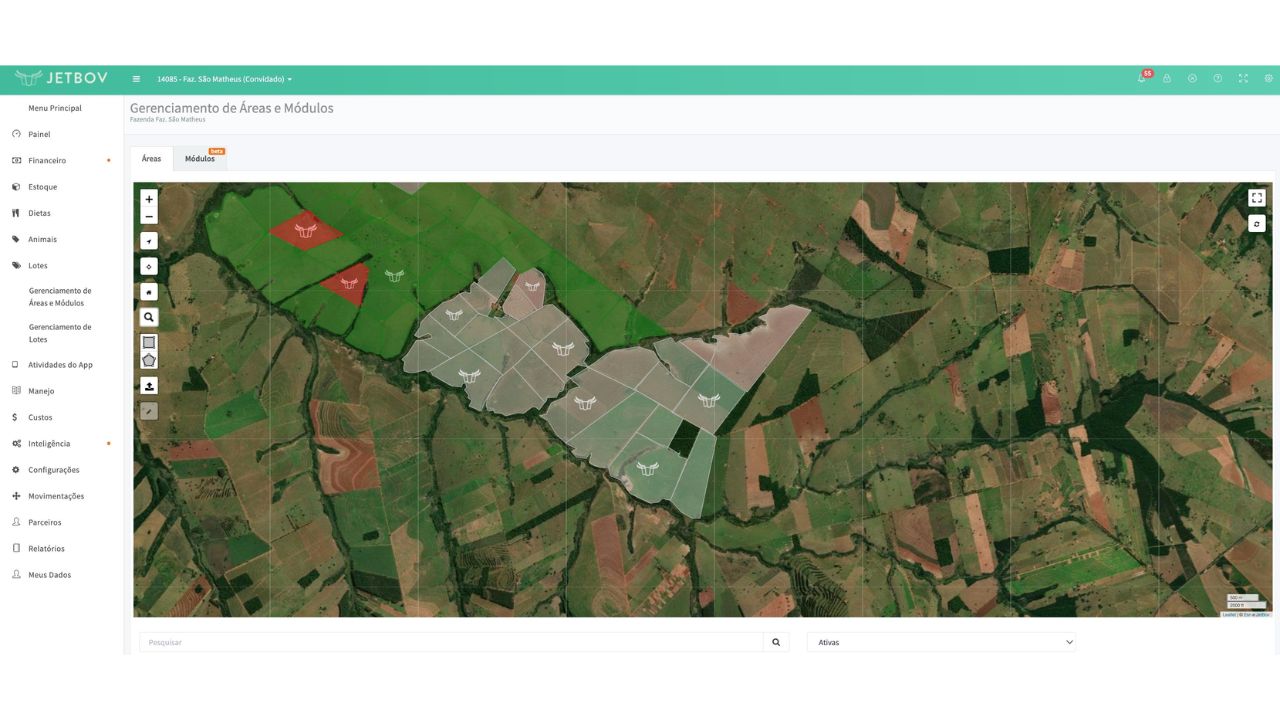
The core of the solution is the SmartNDVI Index, JetBov’s proprietary indicator that summarizes pasture condition by area or paddock. According to Canal do Criador and Balde Branco, the system shows pasture evolution over time and considers differences between Brazilian biomes.
The tool offers two main readings: a SmartNDVI map, with visualization of area conditions, and a historical graph, which allows for period comparison and identification of signs of degradation or recovery.
The logic is based on the traditional NDVI, an index used to measure vegetation vigor from the light reflected by plants. NASA explains that healthy plants tend to reflect more near-infrared and absorb more red light. When there is stress, drought, or loss of vigor, this relationship changes.
Brazil has millions of hectares where pasture has lost strength
The strongest point of the issue lies in the size of the problem. According to MapBiomas, Brazil had about 155 million hectares occupied by pastures in 2024. Of this total, 21.6%, equivalent to 33.4 million hectares, showed signs of low vigor.
This scenario helps explain why monitoring pastures has ceased to be just a nice innovation in discourse. In many farms, pasture is the most strategic food of the system. If it loses strength, the producer may need to correct the area, adjust stocking rates, change resting periods, or recover degraded sections.
According to Canal do Criador, the tool supports decisions such as changing paddocks, rest periods, fertilization, and identifying areas that need recovery. Sucesso no Campo also highlighted the use of the solution for forage planning, animal stocking, and management of areas with different levels of vigor.
Feicorte 2026 placed technology at the center of livestock farming
The solution regained visibility in June 2026, during Feicorte, held in Presidente Prudente, in the interior of São Paulo. Sucesso no Campo reported that intelligent pasture monitoring would be a highlight of JetBov at the event, connecting artificial intelligence, remote sensing, and climate data to forage management.
The publication also mentioned financial support from Finep and the use of the AgroAPI base from Embrapa Digital Agriculture. This detail shows that the tool is not just born as an isolated application, but within a broader attempt to digitize livestock farming decisions.
Satellite helps, but field remains important


Despite the advancement, the technology does not measure pasture like a scale. It is more accurate to say that it estimates the condition, vigor, and evolution of the pasture based on images, climate, history, and operational data.
The USGS notes that the NDVI can have limitations, such as saturation in very dense vegetation and soil influence on the reading. Therefore, satellite data needs to be interpreted along with the reality of the farm and the knowledge of those who monitor the cattle in the field.
In the end, the story goes beyond a company launching a tool. It shows a livestock industry pressured to produce better in already opened areas, recover weak pastures, and reduce waste. When pasture becomes data, changing paddocks is no longer just a farm routine but becomes a strategic decision for the future of Brazilian beef.