






 Portuguese
  Spanish


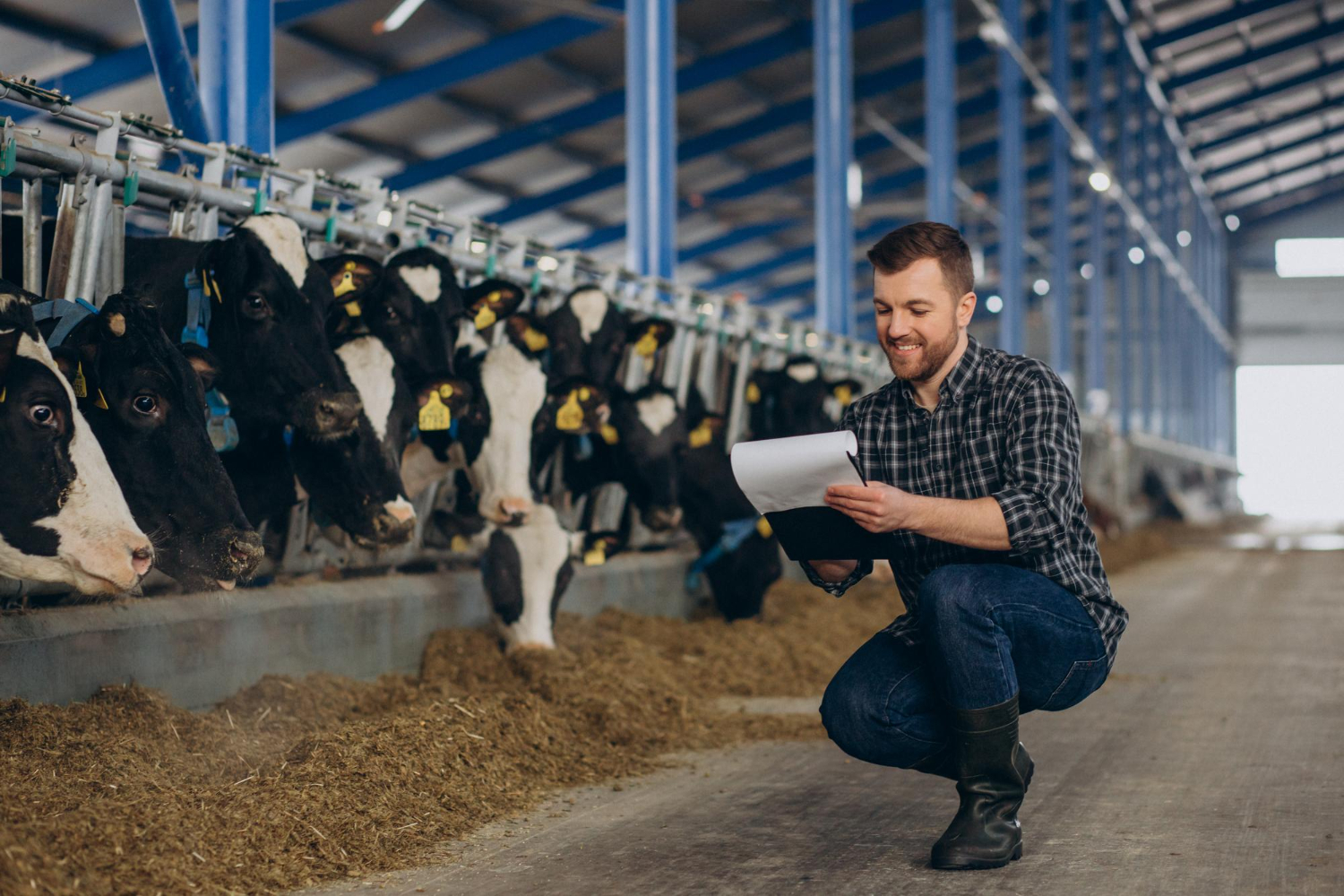

With Record Forecast, Agriculture in Minas Gerais Should Reach R$ 168.6 Billion in 2025, Driven by Coffee, Soy, and Milk, Reinforcing the Leading Role of the Minas Field in the Brazilian Economy
The agriculture in Minas Gerais is experiencing a moment of historic optimism, according to a report published.
The state is expected to close 2025 with an Estimated Gross Production Value (VBP) of R$ 168.6 billion, according to the Ministry of Agriculture and Livestock.
The figure represents a 14.2% increase compared to the previous year, a direct result of the good performance of the crops and livestock.
-
California’s Almond Industry Consumes Over 4 Trillion Liters of Water Annually Amid Drought, Relies on Trucked-In Bees for Pollination

-
India’s Sugar Export Cuts and Ethanol Shift Amid El Niño Threat Could Impact Global Prices and Stocks

-
Quarantine Pest Threatening Palm Trees Puts Brazilian Authorities on Alert, Prompts Monitoring at University of Taubaté and Potential Control Measures Across São Paulo
-
Global Alert: Report Finds 159 Pesticides in Coffee Beans Sold in Europe, Posing Serious Risks to Millions of Farm Workers



The data, consolidated from surveys by IBGE, Conab, and Cepea/USP, highlight the productive vigor and diversity of the Minas sector, which remains one of the pillars of the state economy.
Agriculture in Minas Gerais: Increase in Minas Crops and the Strategic Role of Coffee
The highlight of the survey is the crop segment, which is expected to generate R$ 113.8 billion in 2025, 17.6% above 2024.
This value represents 67% of the total agricultural income of Minas Gerais, consolidating the field as the engine of rural performance.
The main protagonist is coffee, which recorded a significant increase of 48.2%, reaching R$ 59.2 billion.
According to technicians from the Secretary of Agriculture, Livestock and Supply (Seapa-MG), the recovery of productivity and the appreciated price in the domestic market were determining factors.
The agriculture in Minas Gerais also benefits from the strength of other crops, such as soy, which reached R$ 18.5 billion, an increase of 10% compared to last year, driven by demand for soybean oil for biodiesel. Corn, with an expansion of 19.9%, reached R$ 7.9 billion.
Soy Performance and Productive Diversification Strengthen the Minas Agribusiness
Although some crops show a downturn, such as sugarcane (-3.7%), banana (-18.8%), potato (-55.3%), and beans (-30.1%), the overall outlook remains positive.
The sector has been demonstrating the ability to adapt to market fluctuations and climatic variations, reinforcing the resilience of agriculture in Minas Gerais.
Productive diversification is one of the main advantages of the state, which holds significant positions nationally in various chains.
Even in the face of specific declines in some crops, the sum of results consolidates the best performance of recent years, with predictions of continued growth until 2026.
Minas Livestock Expansion with Highlights on Milk, Beef, and Chicken
The livestock segment also contributes significantly, with R$ 54.9 billion projected for 2025, a growth of 7.6%.
Milk remains the flagship product, with R$ 18.4 billion and an increase of 3%, followed by beef, with R$ 18 billion and an advancement of 13.3%.
Chicken and pork maintain good momentum, reaching R$ 8.2 billion and R$ 7.4 billion, respectively.
These numbers confirm the strategic role of livestock in generating income and jobs, consolidating the agriculture in Minas Gerais as one of the most solid segments in the country.
The joint performance of crops and livestock reinforces the importance of the Minas field in the national economy, uniting tradition, technology, and sustainability.
With robust results, the agriculture in Minas Gerais continues to strengthen its position as a protagonist of the Brazilian agribusiness and a reference in productive efficiency.


