






 Portuguese
  Spanish
  3 min of reading
  0 comments


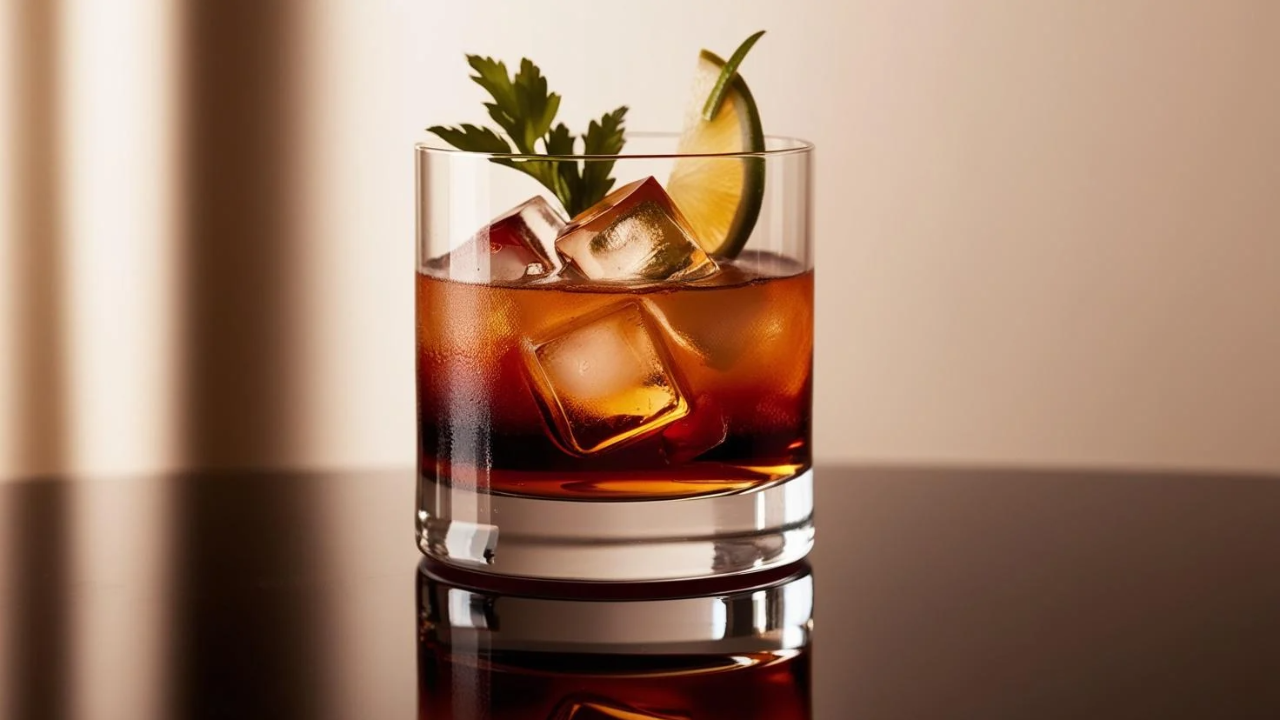
Mixing Alcohol and Medication Can Cause Dangerous Effects, Reduce Drug Effectiveness, and Even Lead to Intoxication.
Mixing alcoholic beverages with medications may seem harmless to some people, but the effects of this combination can be extremely dangerous.
From unwanted interactions to serious risks of intoxication, understanding how alcohol acts in the body alongside medications is essential to avoid serious complications.
The Danger of Mixing Alcohol: What Happens in the Body?
Alcohol is metabolized by the liver, just like most medications. When both are consumed together, the liver can become overloaded, making the metabolism of the medication slower or faster, depending on the type of substance ingested.
-
International gallery chooses an old workers’ village in Jardim Botânico to open a new branch in Rio and surprises by bringing together 17 artists from Brazil, Mali, Portugal, and South Korea in a free exhibition.

-
Nepalese man was missing for six days on Everest, fell into an ice crevasse, survived on biscuits and melted ice, and only escaped after an avalanche cleared a path near Base Camp.

-
Painting a tree white seems like care, but the mistake many people make, replacing lime can suffocate the trunk and turn sun protection into a risk for the plant.
-
Without money to print a resume, a 19-year-old writes everything by hand, reveals that he lives by collecting recyclables to help his family, and ends up sparking an unexpected wave of support on social media, with users tagging companies and trying to turn a simple sheet into his first big opportunity for formal employment.




This can cause the effects of the drug to be intensified or reduced, leading to unpredictable consequences.
For example, medications such as antidepressants, analgesics, and anti-inflammatories can have their effects potentiated, increasing the risk of dizziness, drowsiness, and cognitive difficulties.
In other cases, medications may lose their effectiveness, rendering treatment ineffective.
Main Types of Medications and Their Risks When Mixed with Alcohol
Analgesics and Anti-Inflammatories
Consuming alcoholic beverages along with these medications can irritate the stomach and increase the risk of gastrointestinal bleeding.
Furthermore, alcohol enhances the sedative effect of stronger analgesics, potentially leading to depression of the central nervous system.
Antidepressants and Anxiolytics
Medications such as fluoxetine, sertraline, and benzodiazepines have their effects amplified by alcohol, causing excessive drowsiness, lack of motor coordination, and increased risk of overdose.
Antibiotics
Some antibiotics, such as metronidazole, can cause severe reactions when combined with alcohol, including nausea, vomiting, tachycardia, and facial flushing.
In addition, alcohol can compromise the effectiveness of treatment, hindering the patient’s recovery.
Diabetes Medications
Alcohol can affect blood glucose levels, increasing the risk of hypoglycemia or hyperglycemia in people using insulin or other oral hypoglycemic agents.
Alcohol Intoxication: When to Seek Help?
The signs of intoxication from the combined use of alcohol and medications may vary depending on the type of medication used.
However, some common symptoms include:
Mental confusion and disorientation
Persistent vomiting
Respiratory problems
Irregular heartbeats
Loss of consciousness
If these signs are identified, it is essential to seek medical assistance immediately.
Response time can make all the difference in preventing serious complications.
Prevention: What to Do to Avoid Problems?
Always read the medication leaflet to check for interactions with alcohol.
If you are undergoing medical treatment, consult a healthcare professional before consuming alcoholic beverages.
Avoid self-medication, as it can increase the risks of adverse reactions.
Respect the recommended intervals between taking medication and consuming alcohol.
The consumption of alcohol and medication can have serious health consequences, including intoxication, severe adverse reactions, and treatment ineffectiveness.
Therefore, it is essential to be aware of the risks and always seek professional guidance before mixing alcoholic beverages with medications. Small precautions can prevent major complications and ensure safe and effective treatment.





Be the first to react!