Portuguese
  Spanish


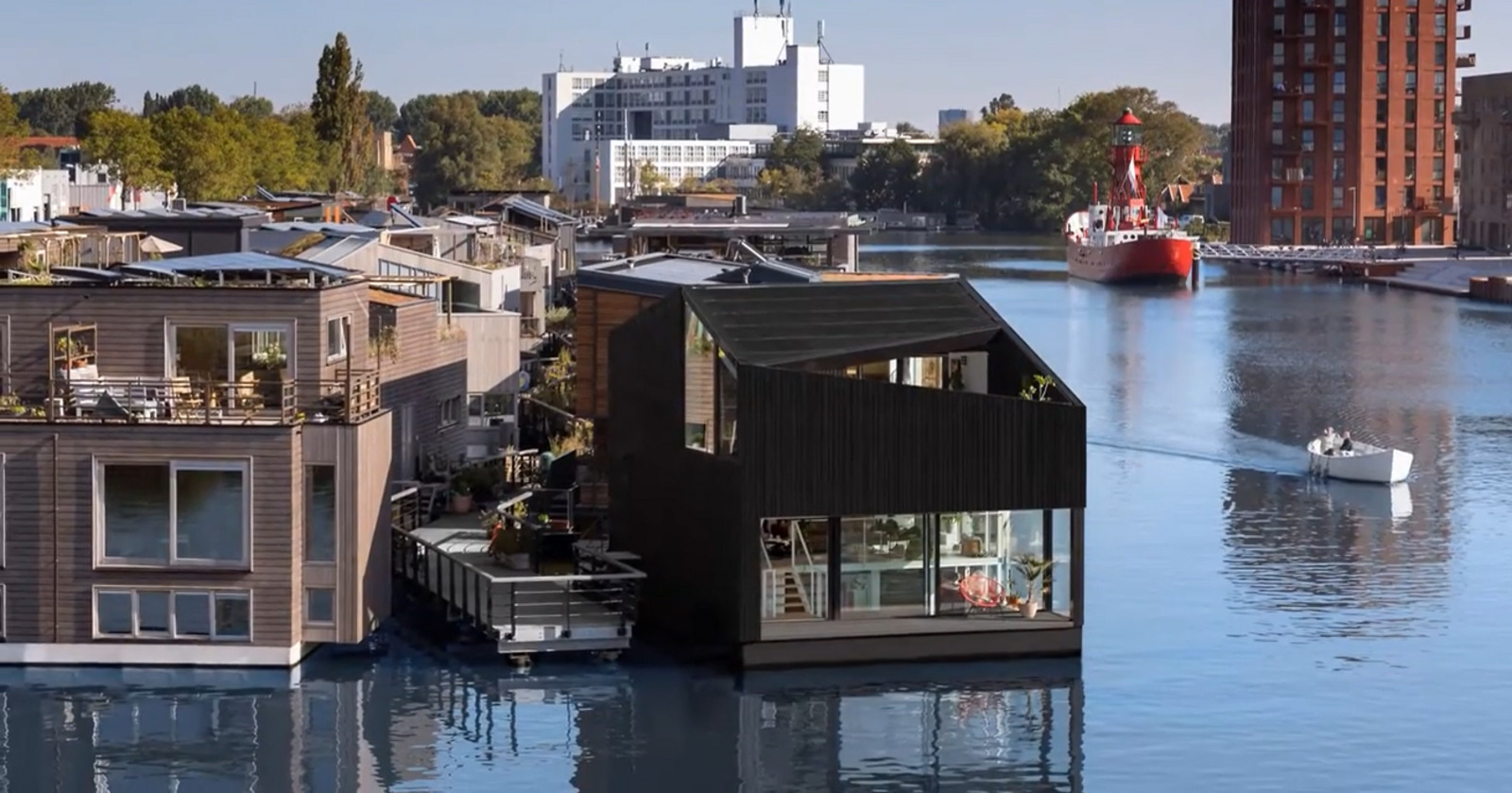

Project In Amsterdam Brings Together 46 Floating Houses Anchored To The Bottom Of The Canal, With Smart Grid, Innovative Sanitation And Practical Solutions In The Face Of Rising Sea Levels
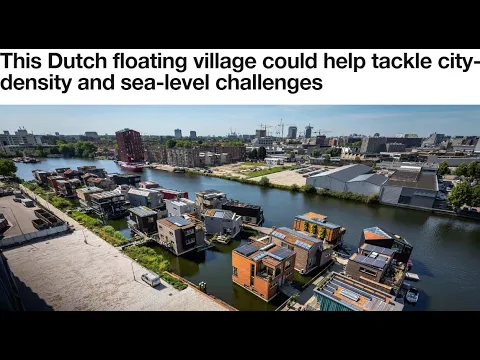
In Amsterdam, Netherlands, the neighborhood of Schoonschip brings together 46 floating houses designed to face rising sea levels, combining engineering, sustainability, and community organization as a practical response to climate change in urban coastal areas.
A Neighborhood That Rises With The Water
The residential complex was designed by the architects of Space&Matter, focusing on climate adaptation, avoiding traditional defensive solutions like increasingly tall dikes.
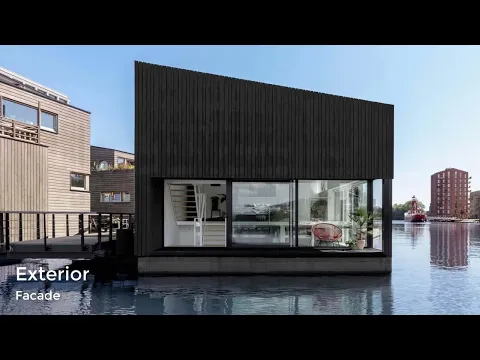
The houses are not boats, but complete structures supported on large concrete boxes that serve as stable floating foundations.
-
Green Roofs on Homes Gain Popularity for Reducing Heat, Noise, and Rain Impact in Brazil

-
Brazilian promises his children to save a river, creates an eco-barrier in his backyard, has already removed more than 40 tons of trash from the water, and even inspires the idea in other states of the country.

-
How a Brazilian company created a system that transforms broken pallets of any brand into new assets, recycles 80 tons of plastic per month, and found a profitable solution to a problem that challenges industries across the country.
-
Invasive bullfrog capable of devouring other amphibians and laying up to 20,000 eggs is found in Florianópolis, raising an alert about the threat to native fauna.


These structures are anchored to flexible poles driven into the bottom of the canal, allowing vertical movement with the tides, without horizontal displacement.
The engineering ensures safety even during severe flooding, providing an intelligent form of urban adaptation in scenarios of rising water.

Shared Energy Among Neighbors
The neighborhood operates its own smart electric microgrid, based on the energy interconnection of all the houses.
Each house has solar panels and batteries, allowing the excess energy to be automatically directed to neighbors or stored.
This model reduces dependency on the public grid and strengthens collective management of renewable energy resources.
Innovation in electrical networks is a central theme for the energy future and, in Brazil, it is regulated by the National Electric Energy Agency, cited as an institutional reference.
Integrated Sustainable Technologies
In addition to the smart grid, the neighborhood uses aquathermal heating, exchanging heat with the water from the canal itself.
The residences also include shared electric cars, enhancing collective mobility and reducing emissions in the community’s daily life.
Another highlight is the vacuum sewage system, similar to that used in airplanes and ships, which saves water.
Waste is collected in a concentrated manner, allowing for future conversion into biogas, enhancing the environmental efficiency of the complex.
Sanitation, Knowledge And Future
The detailed operation of the floating houses was presented in a video by the channel Nikiomahe, cited as an explanatory source of the project.
The houses use heat pumps that extract thermal energy from the canal water, closing an integrated sustainability cycle.
With the advance of global warming, coastal cities are seeking viable and adaptive housing alternatives.
Schoonschip demonstrates that living on water can unite comfort, technology, and social organization, offering relevant precedents for future urban planning.
With information from BMC News.