Portuguese
  Spanish


Learn how a Brazilian startup turned waste into income, strengthened waste pickers, and boosted the circular economy with technology and recycling.
The transformation of waste into economic opportunities is gaining ground in Brazil. One of the most significant examples is Solos, a startup from Bahia that has reached the milestone of R$ 10 million in income generated directly for workers in the recycling chain since its inception.
The result was announced in 2026, during World Environment Day week, and reinforces the potential of innovative models focused on sustainability. The milestone comes a few months after a historic operation carried out during the Salvador Carnival, where more than 46 tons of cans were collected by waste pickers, setting a record recognized by the Guinness World Records.
According to information from the website Exame on June 4, the case shows how recycling can cease to be just an environmental obligation and become a tool for income generation, social inclusion, and economic development.
-
Green Roofs on Homes Gain Popularity for Reducing Heat, Noise, and Rain Impact in Brazil

-
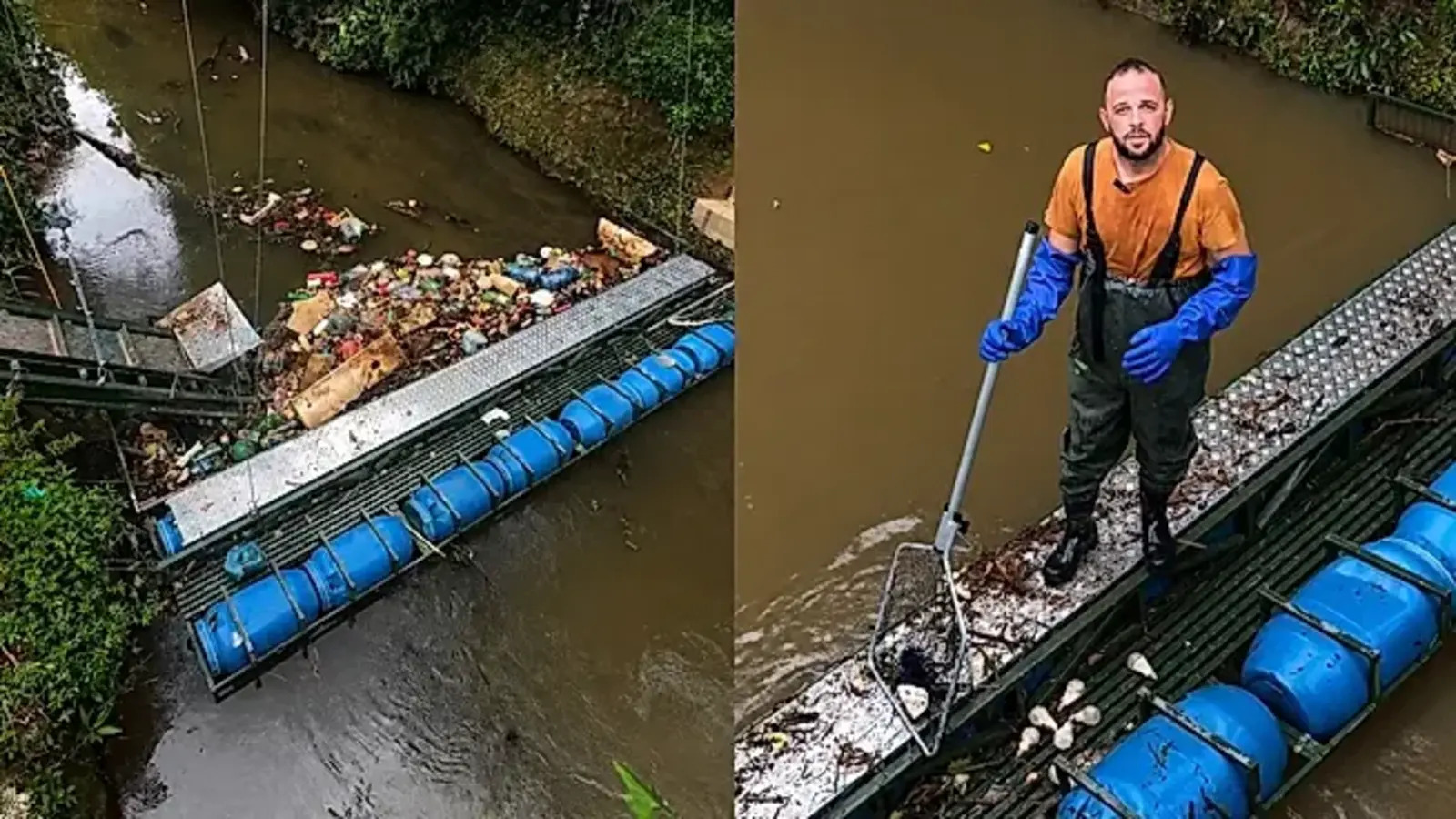
Brazilian promises his children to save a river, creates an eco-barrier in his backyard, has already removed more than 40 tons of trash from the water, and even inspires the idea in other states of the country.

-
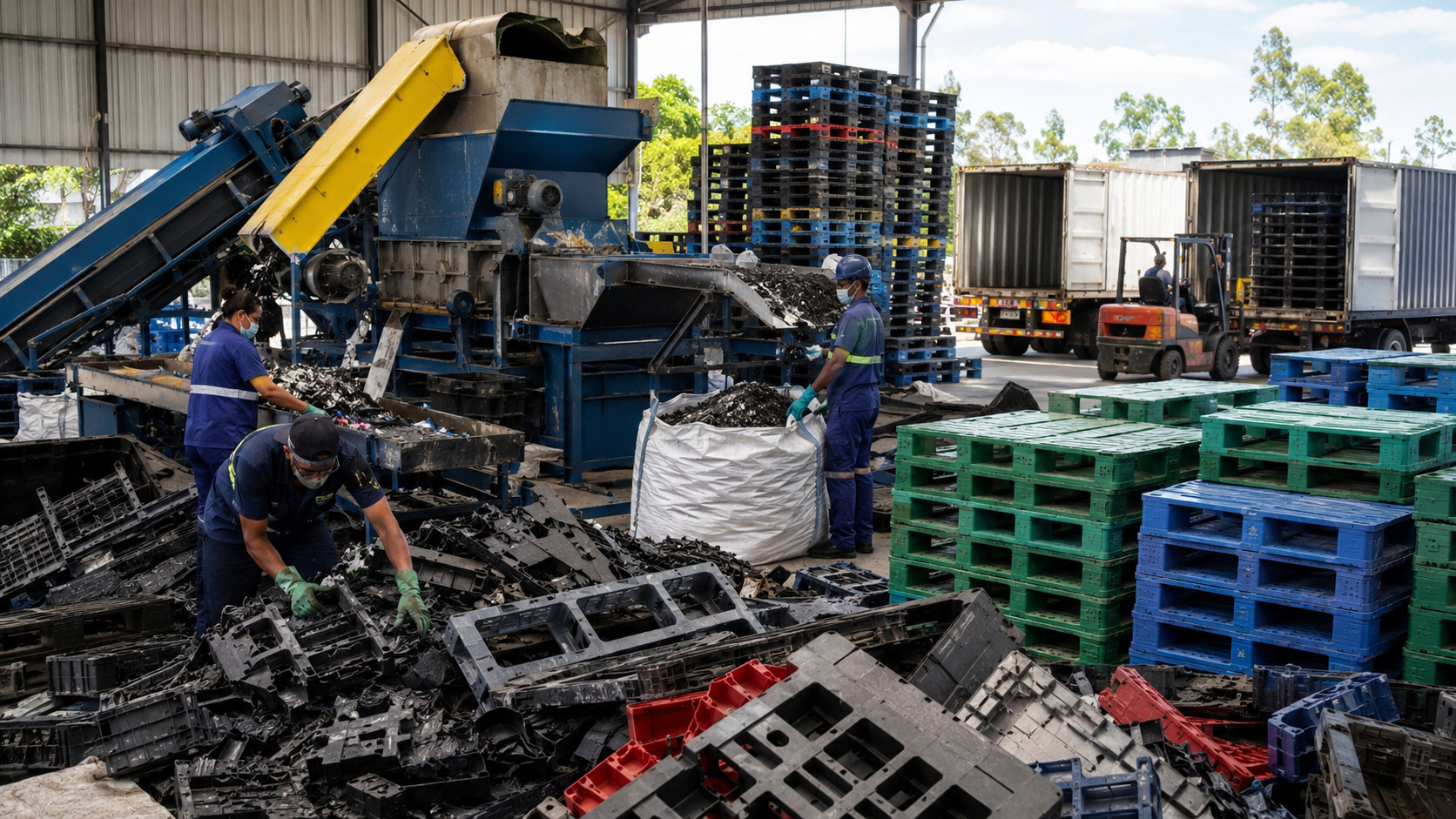
How a Brazilian company created a system that transforms broken pallets of any brand into new assets, recycles 80 tons of plastic per month, and found a profitable solution to a problem that challenges industries across the country.
-
Invasive bullfrog capable of devouring other amphibians and laying up to 20,000 eggs is found in Florianópolis, raising an alert about the threat to native fauna.


Startup turns waste into a source of income and social impact
Solos emerged with a different proposal from most companies in the sector. Instead of seeing waste only as an environmental problem, the company began to treat it as assets capable of generating value for the entire production chain.
Over nearly a decade of operation, the startup developed a network that connects companies, governments, cooperatives, and recycling workers. The result is a system that benefits different sectors simultaneously.
The R$ 10 million distributed by 2026 represents not only a financial result but also an indicator of the social reach of the project. Many people were directly or indirectly impacted by the initiatives developed by the company.
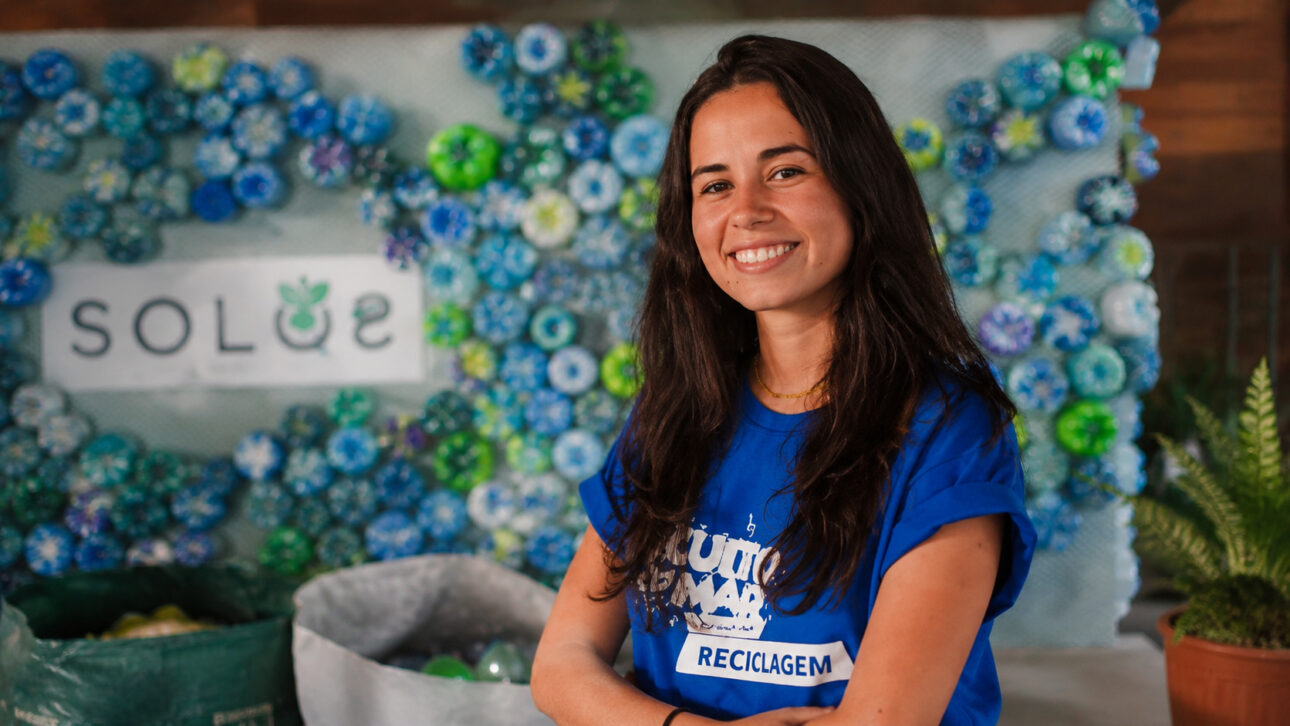
How the model that transforms waste into opportunity works
Solos’ strategy is based on three main complementary fronts.
Among them are:
- Collection operations at large events;
- Reverse logistics programs for large companies;
- Generation of recycling credits.
In operations carried out during major popular festivals, especially the carnivals of Salvador, Recife, Rio de Janeiro, and São Paulo, the company mobilizes waste pickers to collect recyclable materials during and after the events.
In the area of reverse logistics, the startup works in partnership with companies like Ambev, Heineken, and Braskem, assisting in meeting environmental goals and legal requirements related to the correct disposal of materials.
Additionally, the generation of recycling credits creates an additional source of revenue for the entire chain.
Circular economy advances with solutions that value discarded materials
The concept of a circular economy has been gaining global relevance in recent years. Unlike the traditional production and consumption model, which ends in disposal, this approach seeks to keep materials in circulation for as long as possible.
In this scenario, recycling plays a strategic role.
When waste returns to the production cycle, there is a reduction in the demand for virgin raw materials, a decrease in environmental impacts, and the creation of new economic opportunities.
Solos’ activities fit precisely into this model, creating mechanisms for discarded materials to return to the production chain with added value.
Waste pickers receive income from different sources of remuneration
One of the project’s differentiators is that waste pickers do not rely solely on the sale of collected materials.
The income generated comes from different mechanisms, including payments for services rendered, commercialization of recyclable materials, and participation in reverse logistics credits.
According to Saville Alves, co-founder and business leader of the company, the goal has always been to build a structure capable of generating productive inclusion and expanding the social impact of operations.
This diversification helps increase the financial stability of workers and reduces the economic vulnerability faced by many families who depend on recycling.
Northeast becomes a key piece for recycling expansion
A large part of the initiatives that contributed to the milestone of R$ 10 million was developed in the Northeast.
The choice was not by chance. The company decided to invest in regions where the recycling infrastructure still has great growth potential. Thus, each investment made tends to produce even greater impacts.
Programs like Recicla Capital, Roda, Reciclo, and Virado were implemented in different municipalities, always seeking to integrate local cooperatives, companies, and public administrations.
This strategy also allows the startup to expand its presence in less competitive markets and strengthen its operations in territories that demand more structured environmental solutions.
World record reinforces the importance of waste for sustainability
The 2026 Salvador Carnival made history for a reason beyond the party.
At the end of the event, more than 46 tons of cans had been collected by workers involved in the operation coordinated by Solos. The volume set a new world record recognized by the Guinness World Records.
The partnership with the Salvador City Hall was fundamental to enabling the action.
The result demonstrates how waste that would normally be discarded can generate economic and environmental benefits when there is an efficient collection and reuse structure.
Real stories show the impact on the lives of waste pickers
Behind the numbers are people whose lives have been transformed.
An example cited by the company is that of Eduarda Sant’Anna, known as Duda. After facing financial difficulties, periods of unemployment, and even the loss of part of her home in a fire, she found in recycling an opportunity for professional reconstruction.
Since 2017, Duda has been working in cooperatives linked to the sector and currently also develops activities related to environmental education.
Cases like this help to show that valuing waste pickers goes far beyond generating income. It also represents professional recognition, social inclusion, and community strengthening.
Investment of R$ 1 million accelerates startup growth
In 2025, the company received a significant financial boost.
Through the Recycling Incentive Law, Banco do Nordeste made a contribution of R$ 1 million aimed at expanding operations and developing new initiatives focused on productive inclusion.
The resources should help to expand existing projects and accelerate the implementation of new solutions related to waste management.
The investment also strengthens the company’s ability to meet the growing demand from organizations seeking certifications and sustainability goals.
Recycling Credits Market Opens New Opportunities
Another factor that may drive the company’s growth in the coming years is the evolution of the recycling credits market in Brazil.
With increasingly strict environmental regulations and greater demand for sustainable practices, there is a growing search for mechanisms capable of proving the proper reuse of materials.
Among the main factors favoring this market are:
- Advancement of reverse logistics;
- Growth of corporate ESG goals;
- Expansion of the circular economy;
- Greater regulatory requirements.
This scenario can increase the revenues generated by operations and boost the resources allocated to cooperatives and the workers involved.
A Model That Shows the Hidden Value in Discarded Materials
The trajectory of Solos demonstrates that innovation, sustainability, and social inclusion can go hand in hand. By reaching R$ 10 million in income generated for waste pickers, the startup shows that waste can stop being a problem and become an economic opportunity.
The record of more than 46 tons of cans collected during the Salvador Carnival, the R$ 1 million contribution received in 2025, and the expansion of operations in the Northeast reinforce the potential of this model.
At a time when the circular economy is gaining increasing relevance, initiatives like this show that recycling can generate concrete benefits for companies, governments, cooperatives, and especially for the waste pickers who play a fundamental role in building a more sustainable future.