Portuguese
  Spanish


Cutting-edge technology, quick action, and integrated work between firefighters and environmental specialists ensured the rescue of an injured ocelot after being hit on a highway in Minas Gerais, reinforcing the importance of preserving Brazilian wildlife.
A rescue operation carried out in Minas Gerais drew attention for its efficiency and the use of advanced technology in wildlife protection. On the morning of June 1, 2026, Fire Department teams located and saved an ocelot hit by a vehicle with the help of a drone equipped with a thermal camera on the MG-353 highway in Ubá, in the Zona da Mata of Minas Gerais.
The information was released by the Metrópoles portal, based on data provided by the Military Fire Department of Minas Gerais and professionals from the State Forestry Institute (IEF), who directly participated in the search and capture operation of the animal.
The case began on the afternoon of May 31, 2026, when the ocelot was hit near the MG-353. Shortly after the accident, teams began searching the area. However, due to dense vegetation, rugged terrain, and lack of light during the night, the professionals were unable to locate the feline at that time.
-
Green Roofs on Homes Gain Popularity for Reducing Heat, Noise, and Rain Impact in Brazil

-
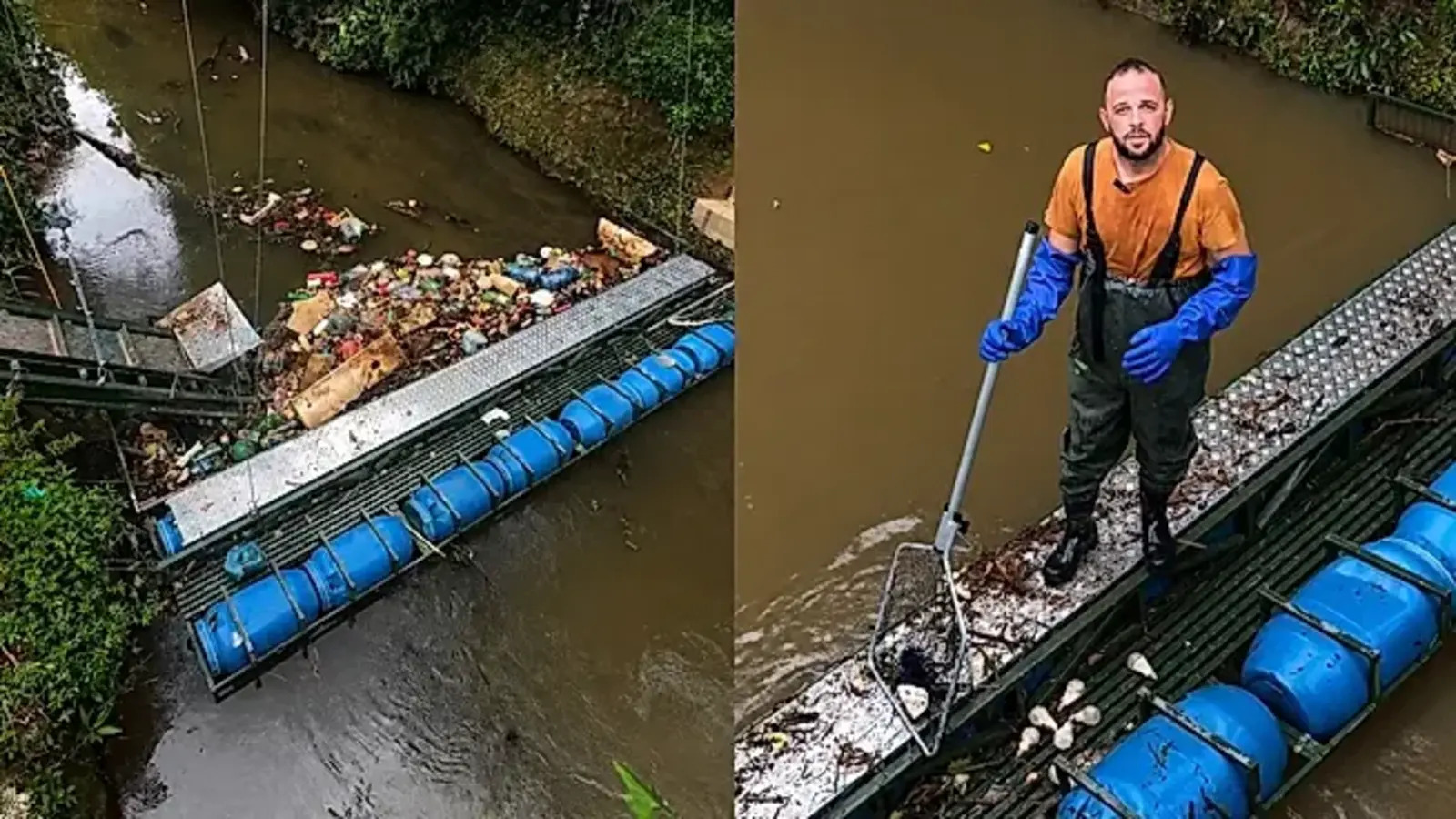
Brazilian promises his children to save a river, creates an eco-barrier in his backyard, has already removed more than 40 tons of trash from the water, and even inspires the idea in other states of the country.

-
How a Brazilian company created a system that transforms broken pallets of any brand into new assets, recycles 80 tons of plastic per month, and found a profitable solution to a problem that challenges industries across the country.
-
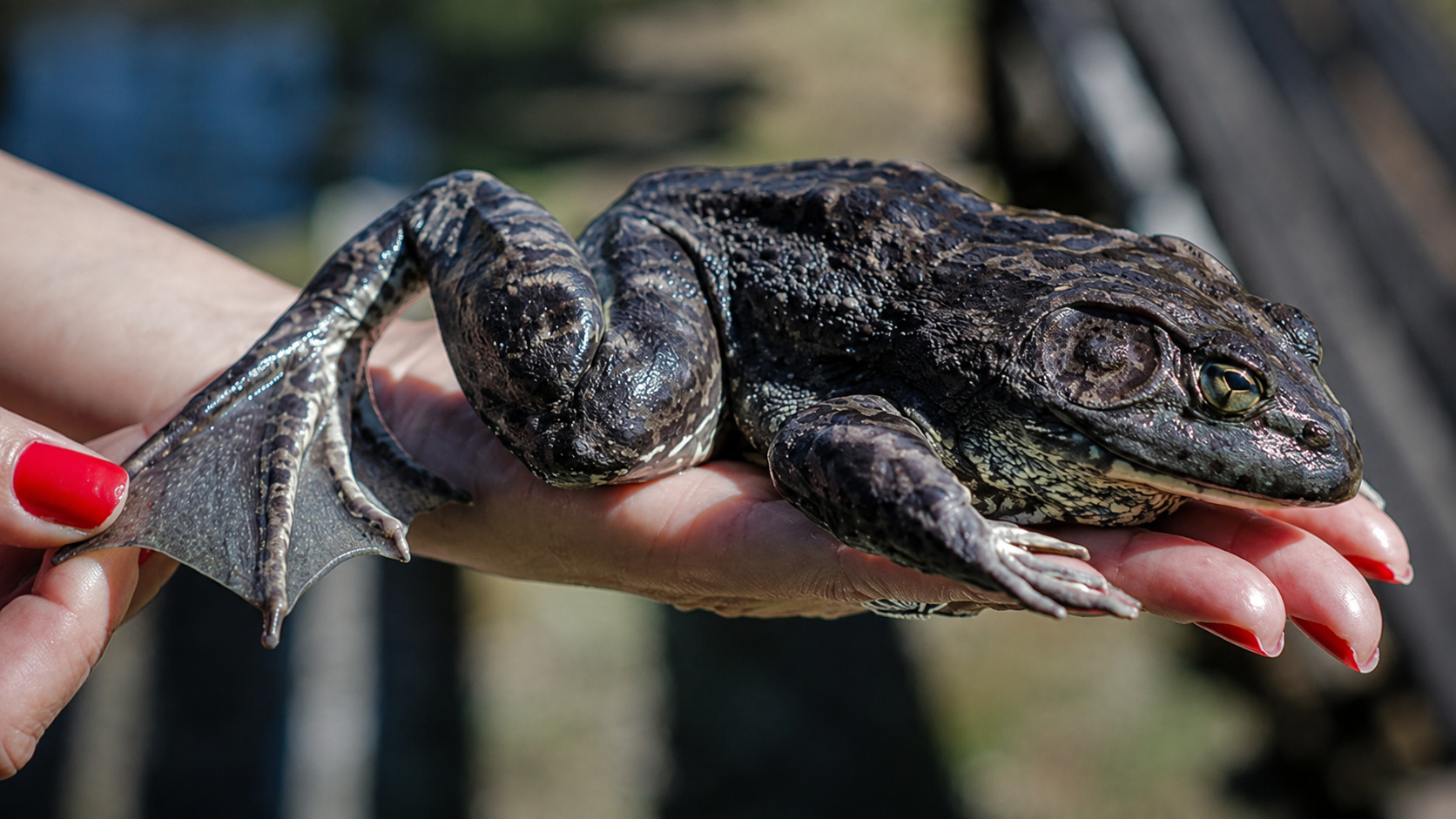
Invasive bullfrog capable of devouring other amphibians and laying up to 20,000 eggs is found in Florianópolis, raising an alert about the threat to native fauna.


However, the situation completely changed the following morning. With renewed planning and technological support, the firefighters returned to the location determined to find the animal before its injuries worsened.
Thermal drone was decisive in locating the ocelot in the forest
As soon as they arrived at the point indicated by the teams that had worked the previous day, the military began a new aerial sweep. This time, they used the Remotely Piloted Aircraft (RPA) Vespa 127, a drone equipped with a thermal camera capable of identifying heat sources even in areas of dense vegetation.
Thanks to this resource, the firefighters located the ocelot after just 20 minutes of flight. The thermal camera identified the animal’s body heat hidden in the forest, allowing the teams to pinpoint its position accurately.
Additionally, the operation was supported by a veterinary doctor and a forestry engineer from the State Forestry Institute. The participation of specialists ensured a safe approach for both the animal and the professionals involved.
After the location, the firefighters entered the forest with the support of the State Highway Police. Then, they used poles and a containment net to capture the feline in a controlled manner.
Clinical evaluation showed that the feline escaped without fractures
Right after the capture, the veterinarian sedated the ocelot. This way, the team managed to perform all necessary procedures without risking the safety of the professionals or the animal itself.
During the clinical evaluation carried out in the IEF vehicle, specialists found that the female ocelot had no fractures. Despite the strong impact suffered during the accident, the examination identified only a cut on the upper part of the snout.
This result brought relief to the professionals involved in the operation. After all, accidents usually cause severe internal injuries, multiple fractures, and even the death of wild animals.
Furthermore, the quick location probably helped prevent more serious complications. The longer an injured animal remains alone in the wild, the greater the risks of infections, dehydration, and attacks from other predators.
For this reason, the use of drones with thermal cameras has become an increasingly important tool in Brazilian wildlife rescue operations.
Specialized center will monitor the animal’s recovery
After the initial evaluation, the team sent the ocelot to the Wildlife Screening Center (Cetas). There, veterinarians and specialists will monitor its recovery and determine the next steps of the treatment.
Meanwhile, the professionals will monitor the clinical condition to ensure that the feline fully recovers its physical condition.
The expectation is that, after completing the treatment and additional exams, the ocelot can return to its natural habitat.
Besides representing a victory for environmental conservation, the case demonstrates how the integration of technology, environmental agencies, and rescue teams can significantly increase the chances of survival for wild animals involved in accidents.
Each year, thousands of animals are hit on Brazilian highways. Therefore, initiatives like this reinforce the importance of investments in monitoring, rescue, and preservation of national biodiversity.
The story of the ocelot rescued in Ubá shows that when technology and dedication work together, even situations that seemed lost can have a positive outcome.
And you, do you believe that the use of drones in wildlife rescue operations should become mandatory in regions with a higher incidence of wild animal roadkill?