Portuguese
  Spanish


New analysis shows that part of Brazilian aquifers is losing strength as water demand grows and pressures essential reserves
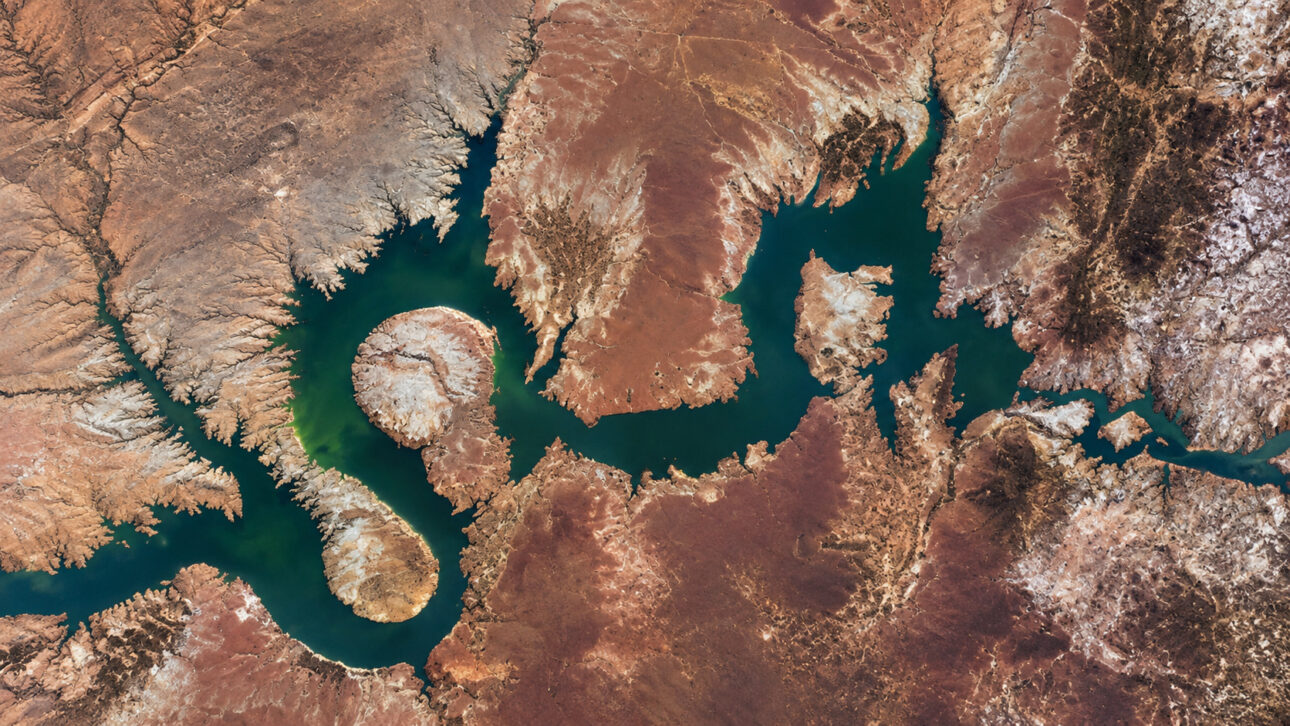
A vital water reserve hidden beneath Brazilian forests, farms, and cities has begun to concern researchers following consistent signs of decline in parts of the country. The study led by Augusto Getirana, a scientist at NASA’s Goddard Space Flight Center, analyzed more than two decades of groundwater behavior in Brazil. The research used satellite observations, artificial intelligence tools, and monitoring systems to assess the dynamics of underground water between 2002 and 2023. The results indicate an uneven scenario, as some aquifers are still recovering after periods of drought, while others show persistent declines. This movement reveals that Brazil’s historical abundance of water does not, by itself, guarantee permanent water security.
Technical study reveals pressure on Brazilian aquifers
The analysis shows that part of Brazil’s groundwater is falling at rates comparable to those observed in some of the world’s most exploited aquifers. According to the researchers, similar patterns have already been documented in systems under heavy pressure in Bangladesh, India, Iran, and the United States. The survey evaluated the 12 main Brazilian river basins and analyzed important aquifer systems, such as Alter do Chão, Urucuia, Bauru-Caiuá, Guarani, Pantanal, Solimões, and Parecis. This scenario requires attention because underground reserves are invisible and can undergo changes for years before clear signs appear.
Invisible reserve sustains municipalities and droughts
Currently, groundwater provides about 55% of the national water demand and supplies more than half of Brazilian municipalities. It also acts as a safeguard during droughts, especially when rivers, lakes, and surface reservoirs lose volume. However, monitoring remains limited given the size of the Brazilian territory. In an area of about 8.5 million square kilometers, the country has approximately 500 federal observation wells. This limitation increases concern, as large areas remain poorly monitored and changes underground can advance silently.
-
Green Roofs on Homes Gain Popularity for Reducing Heat, Noise, and Rain Impact in Brazil

-
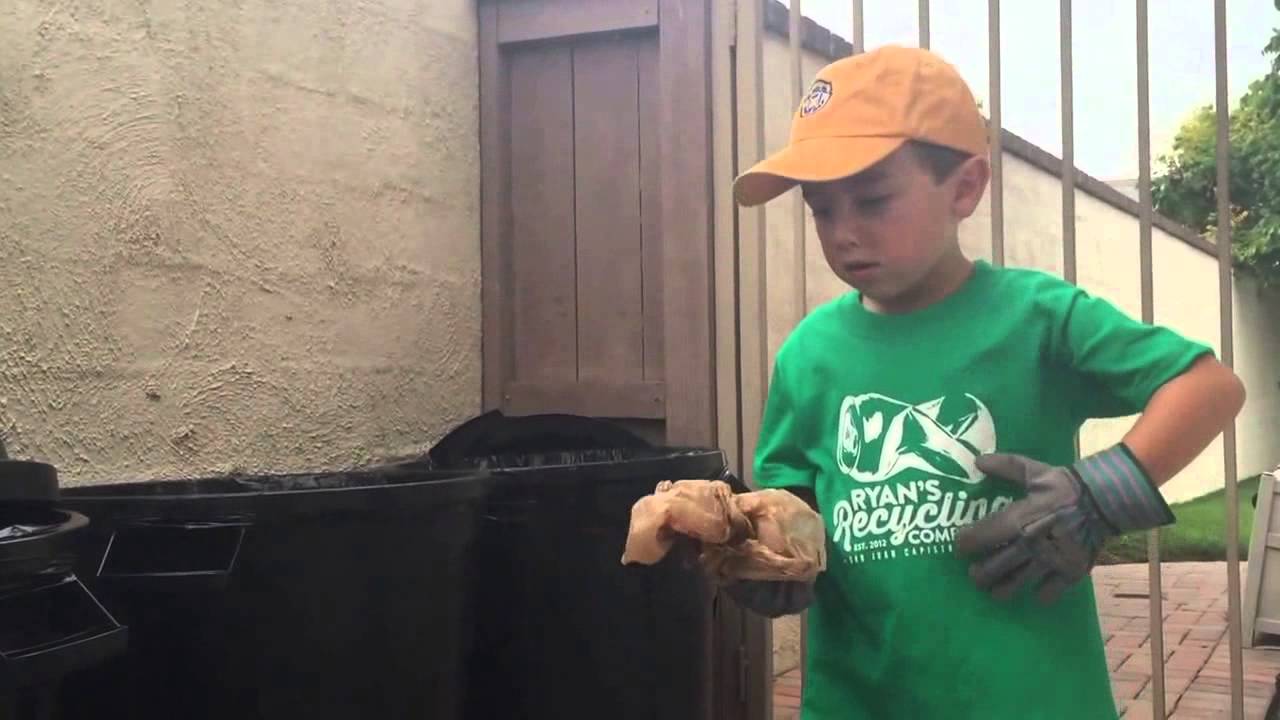
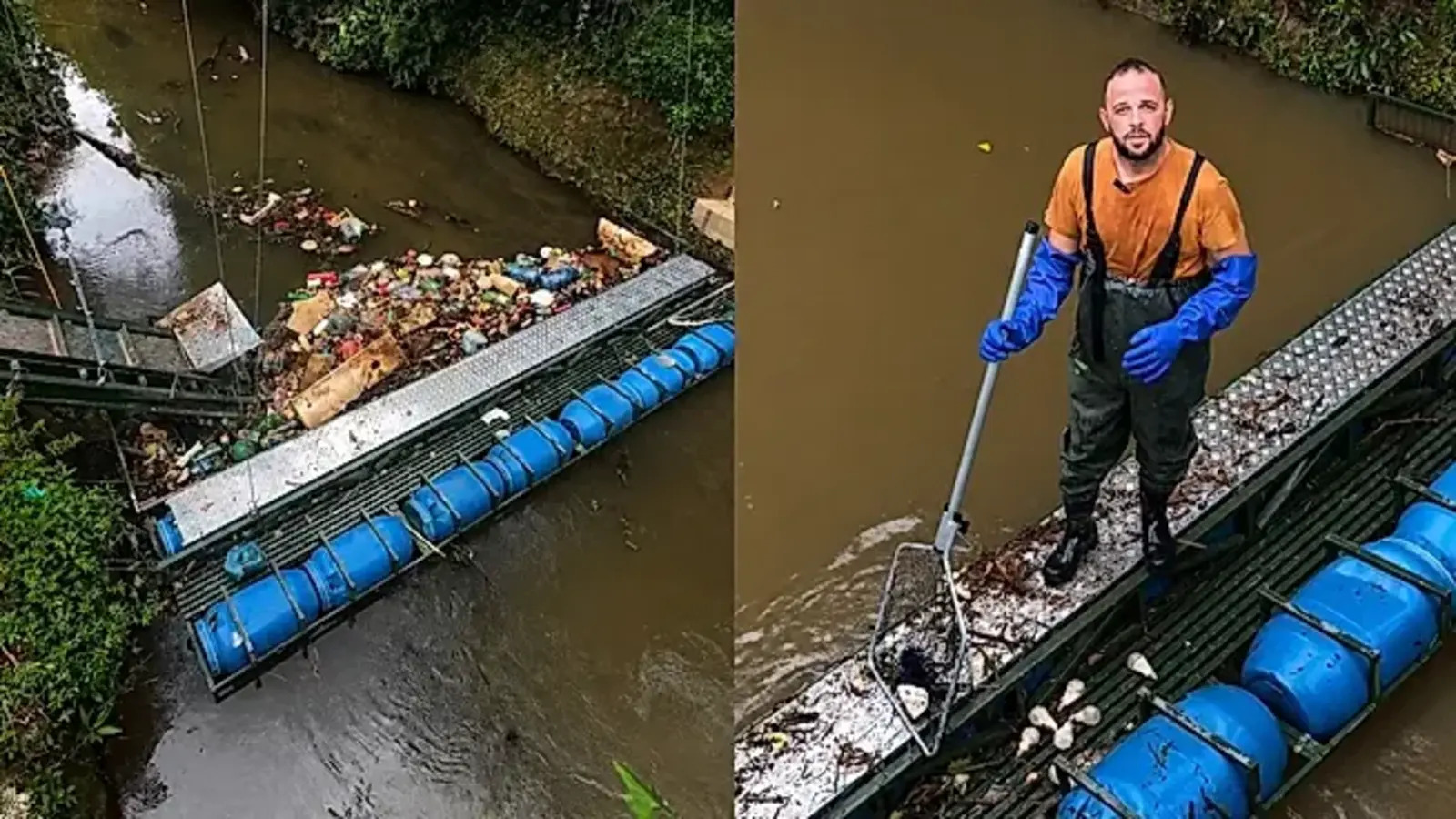
Brazilian promises his children to save a river, creates an eco-barrier in his backyard, has already removed more than 40 tons of trash from the water, and even inspires the idea in other states of the country.

-
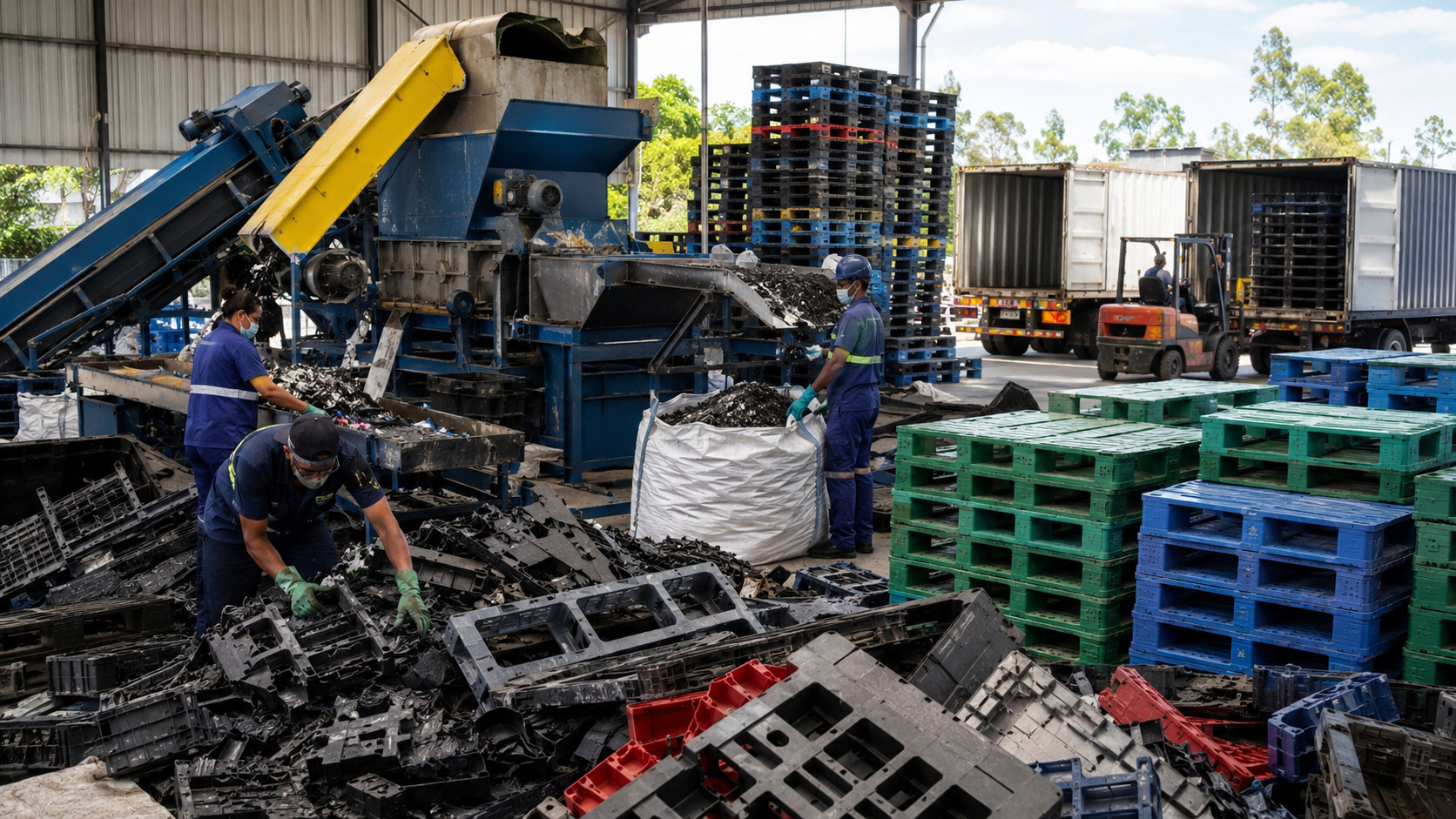
How a Brazilian company created a system that transforms broken pallets of any brand into new assets, recycles 80 tons of plastic per month, and found a profitable solution to a problem that challenges industries across the country.
-
Invasive bullfrog capable of devouring other amphibians and laying up to 20,000 eggs is found in Florianópolis, raising an alert about the threat to native fauna.


Cerrado concentrates strong signs of decline
Some of the most intense signs appear in the center of Brazil, especially in parts of the Cerrado and in the São Francisco and Paraná basins. These regions have also seen strong agricultural expansion in recent decades, with the advancement of crops, pastures, and irrigation. The Cerrado plays an essential role in water production in South America, as its vegetation helps rain infiltrate the soil, recharges aquifers, and keeps rivers active beyond the rainy season. However, when native areas are replaced by intensive activities, underground recharge can lose strength. The study identified periods when some regions had little or no replenishment of underground reserves.
Amazon shows stability and extremes
The Amazon shows a more uneven behavior. Large portions of the region maintained stable conditions during the analyzed period, while some areas recorded greater variations. Extreme weather events can interfere with the natural cycles of river rise and fall. The El Niño of 2015 and 2016 appears as a possible turning point in some analyzed areas. Recent droughts have also led Amazonian rivers to historically low levels, affecting transportation, communities, and ecosystems. Meanwhile, other regions of Brazil faced severe floods, revealing an increasingly frequent pattern of extremes.

Water pressure demands a new understanding of abundance
Brazil is not running out of water, but abundant resources do not eliminate vulnerabilities. According to Getirana, abundance and sustainability do not mean the same thing, especially in the face of climate change and increased demand. Only a fraction of the rain manages to reach underground reserves and replenish the aquifers. In some regions, this recharge remains strong, but in others, it is beginning to weaken. Protecting groundwater may become as important as preserving rivers, forests, and wetlands.
After all, if aquifers sustain Brazil in critical periods, how long can the country ignore the signs coming from underground?