Portuguese
  Spanish


Petrobras invests R$ 15 million in quilombola communities with income, culture, clean energy, and sustainable development projects in four states.
Petrobras has started a new phase of social investments aimed at traditional Brazilian communities. Starting in June, the company began supporting sustainable territorial development actions in six quilombola communities located in the states of São Paulo, Rio de Janeiro, Pará, and Amapá.
Carried out in partnership with the Terroá Institute, the Sustainable Quilombo Project will receive an investment of R$ 15 million over four years. The initiative is expected to directly benefit around 300 people continuously, promoting income generation, environmental preservation, cultural appreciation, and strengthening community autonomy.
According to a company publication on June 1, in addition to the economic impact, the program seeks to strengthen the leadership of the quilombola communities themselves, respecting ancestral knowledge and encouraging productive models aligned with sustainable development.
-
Green Roofs on Homes Gain Popularity for Reducing Heat, Noise, and Rain Impact in Brazil

-
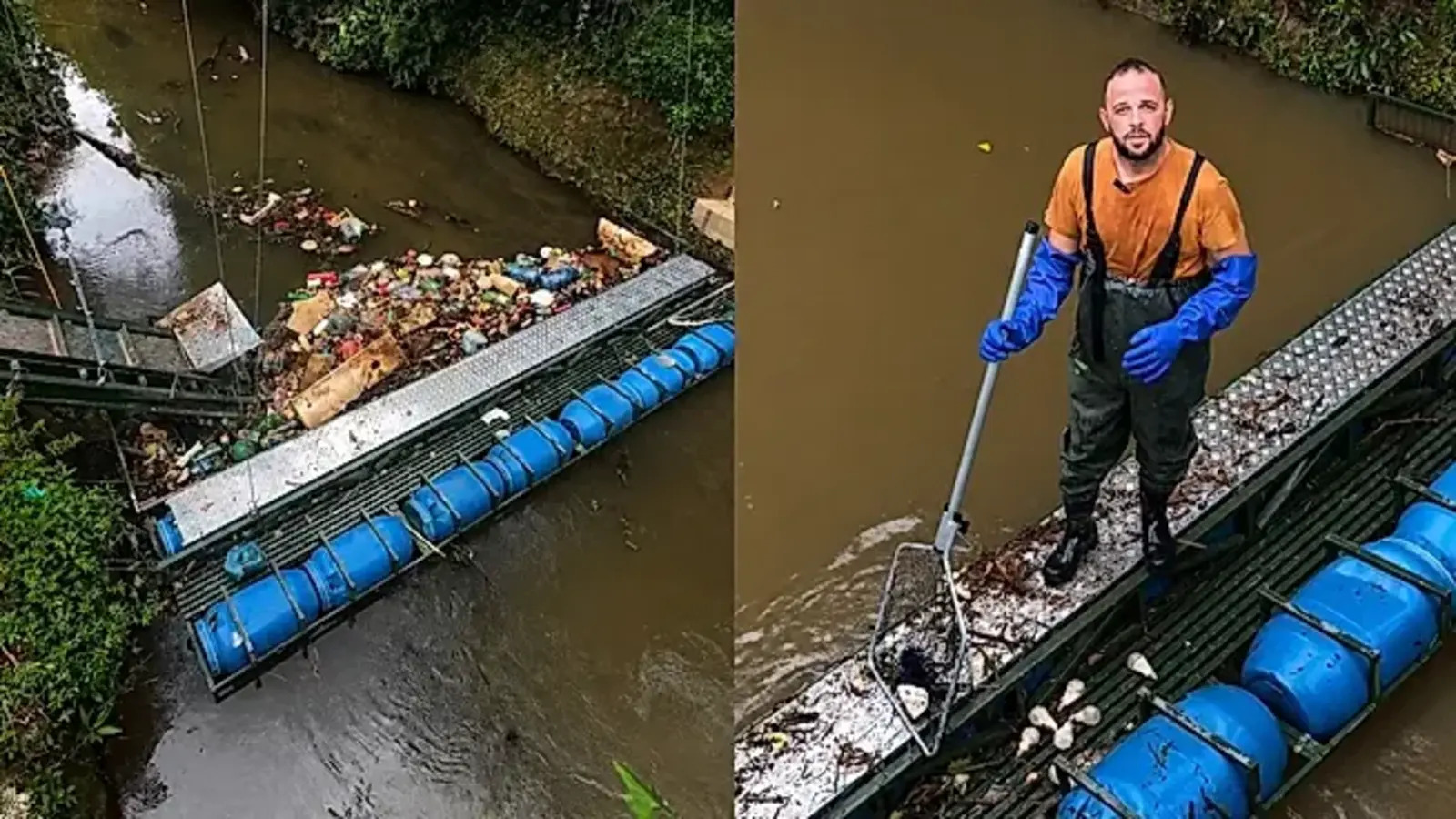
Brazilian promises his children to save a river, creates an eco-barrier in his backyard, has already removed more than 40 tons of trash from the water, and even inspires the idea in other states of the country.

-
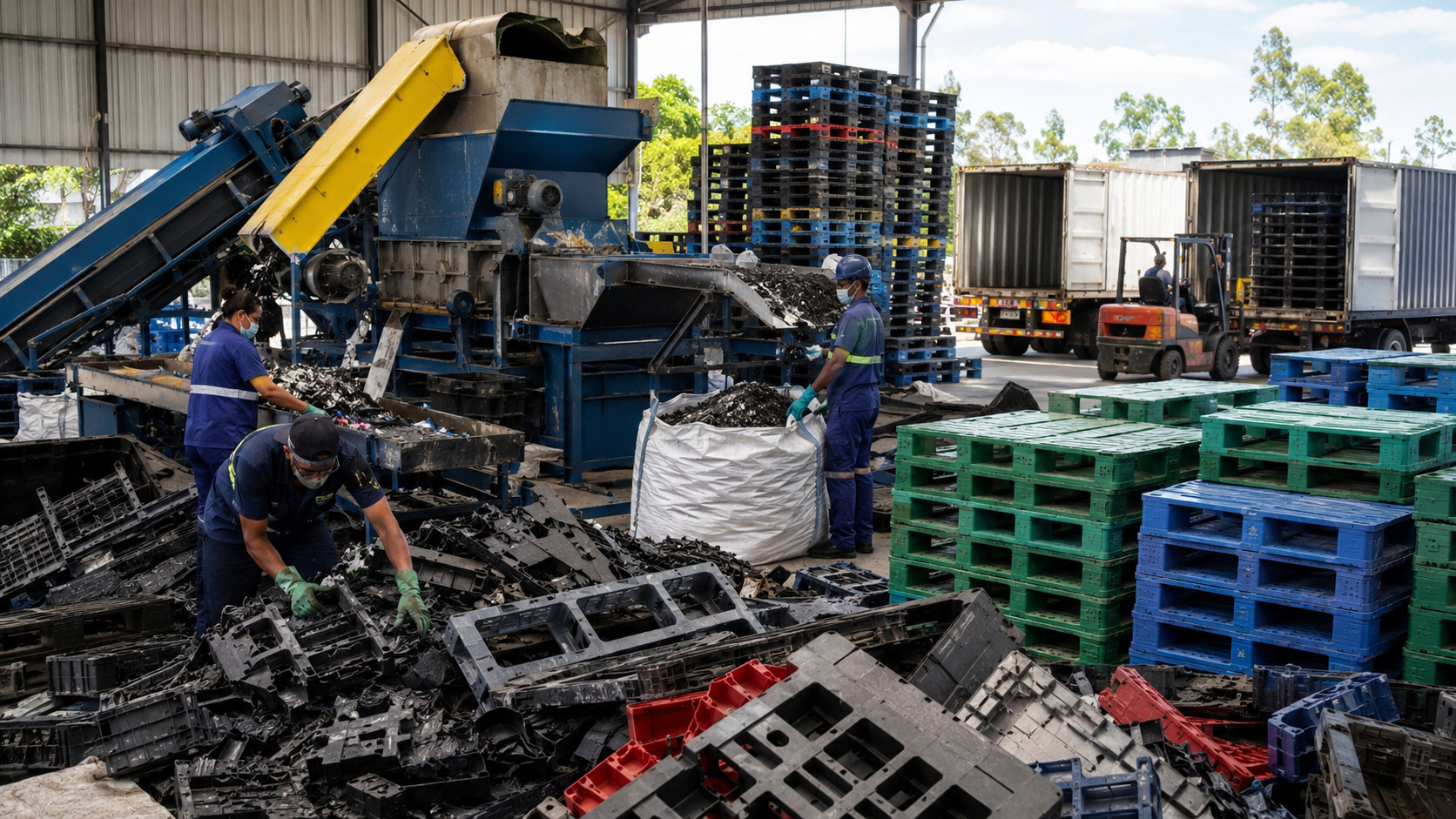
How a Brazilian company created a system that transforms broken pallets of any brand into new assets, recycles 80 tons of plastic per month, and found a profitable solution to a problem that challenges industries across the country.
-
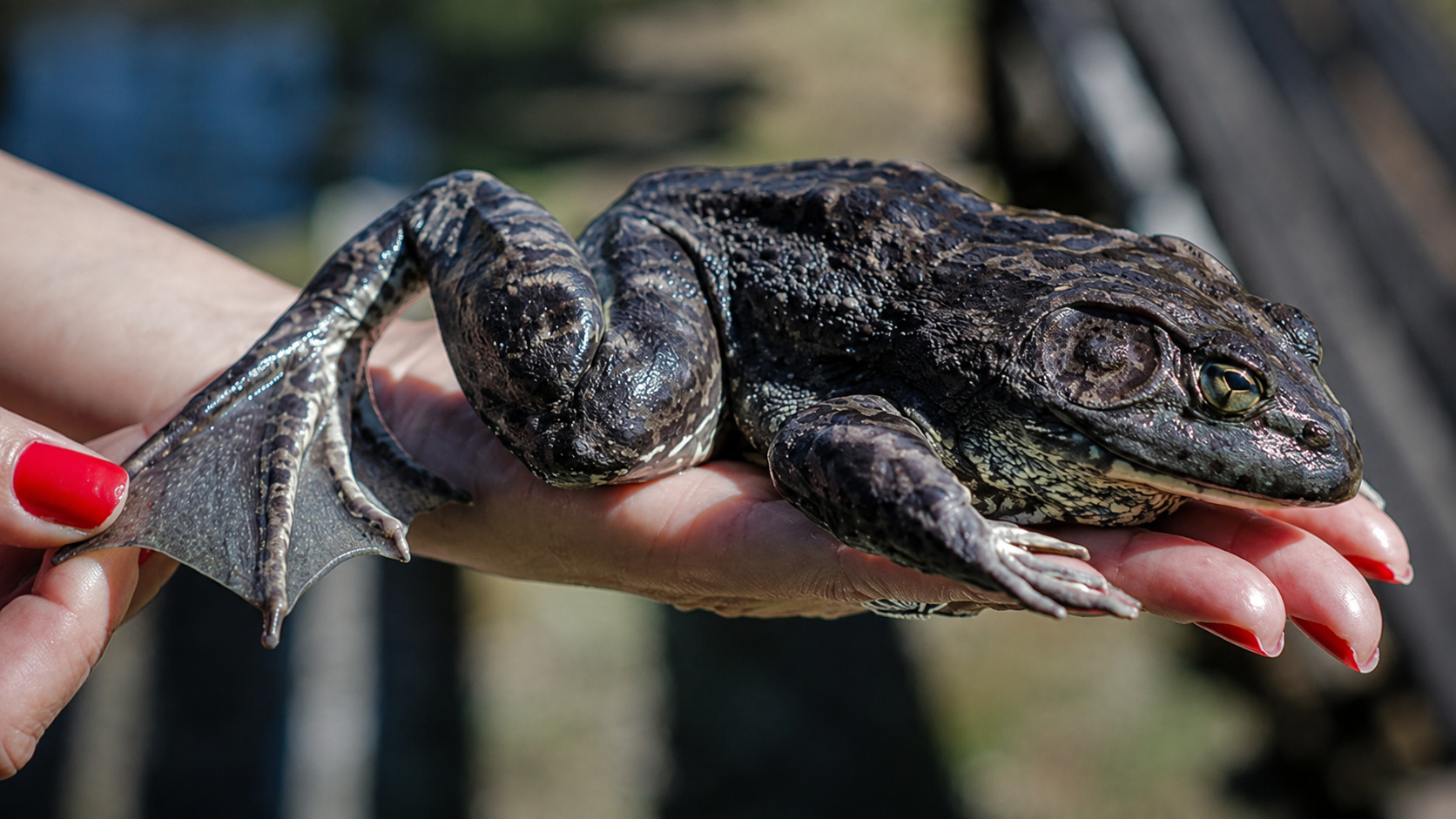
Invasive bullfrog capable of devouring other amphibians and laying up to 20,000 eggs is found in Florianópolis, raising an alert about the threat to native fauna.

Petrobras bets on sustainable initiatives to strengthen traditional territories
The project was structured based on the specific characteristics and needs of each locality. According to Petrobras, the proposal is to ensure that all actions are built in collaboration with the residents, increasing the effectiveness of the results and community involvement.
José Maria Rangel, executive manager of Socio-environmental Responsibility at the company, highlighted that the methodology prioritizes the participation of the quilombolas from the initial diagnosis to the execution of activities.
The main areas of focus include:
- Land regularization;
- Environmental preservation;
- Income generation;
- Community-based tourism;
- Professional training;
- Appreciation of quilombola culture;
- Strengthening local organizations.
These sustainable initiatives are also aligned with the United Nations (UN) Sustainable Development Goals (SDGs).
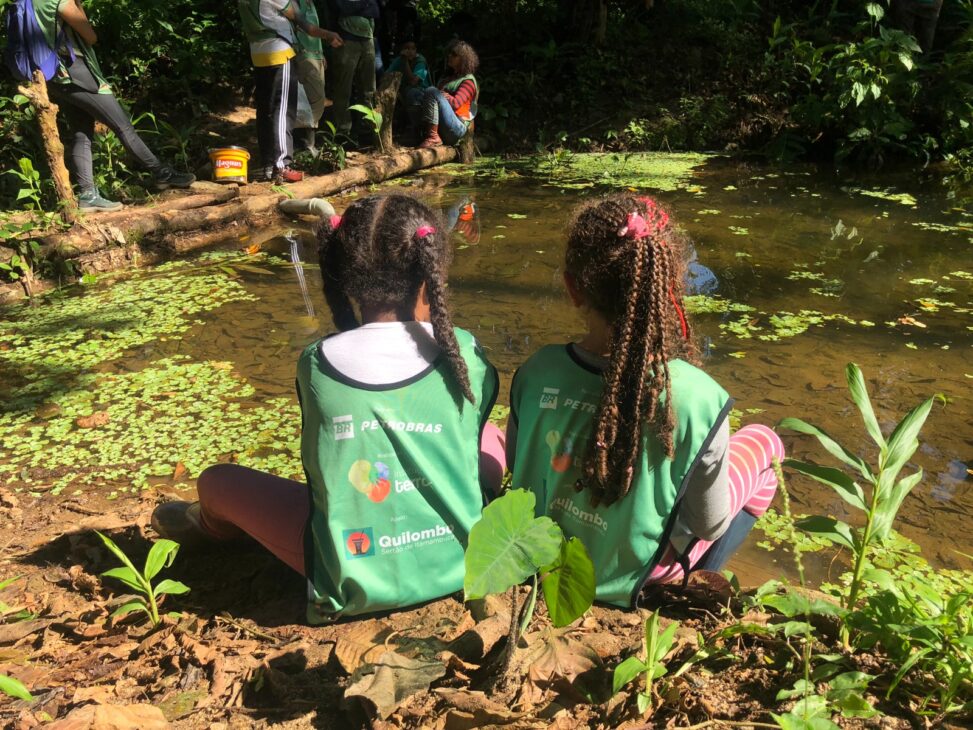
Sustainable development gains strength with community-based productive activities
One of the main differentiators of the project is the appreciation of activities already present in the communities. Instead of introducing external models, the proposal seeks to expand traditional practices that are part of the local identity.
Over the next four years, actions such as community gardens, productive backyards, fish production, seedling nurseries, community kitchens, and processing of regional products will be supported.
The goal is to create permanent sources of income, reduce economic vulnerabilities, and strengthen sustainable development without compromising the natural resources that sustain these populations.
Additionally, the program encourages more responsible production methods, expanding opportunities for future generations.
Quilombola communities in São Paulo receive investments in education and tourism
In São Paulo, the project will serve the Sertão de Itamambuca and Caçandoca quilombos, both located in Ubatuba, on the northern coast of São Paulo.
One of the planned actions is the creation of the Caçandoca Quilomboteca, a library specialized in quilombola culture and history. The space is expected to function as a reference center for students, researchers, and schools in the region.
Another important front involves strengthening local agricultural activities. Community gardens and productive backyards will undergo mapping and improvement processes with agroecological techniques.
Children and teenagers will also be included with surfing courses that combine sport, environmental education, and community interaction.
In Sertão de Itamambuca, the aquaculture system will be expanded to strengthen fish production for local consumption and income generation.
Sustainable initiatives expand economic opportunities on the São Paulo coast
The region will also receive investments aimed at community-based tourism, considered an important economic alternative for local families.
Among the planned improvements are:
- Construction of birdwatching towers;
- Training of environmental monitors;
- First aid training;
- Courses on Afro-tourism;
- Training in regional wildlife observation.
The expectation is that these actions will increase the flow of visitors and strengthen the local economy without compromising environmental preservation.
Petrobras boosts fish production and cultural strengthening in Rio de Janeiro
In Quilombo do Camorim, in the city of Rio de Janeiro, an integrated natural aquaculture system will be implemented.
The model will allow fish production to be destined both for internal consumption and commercialization in local markets. One of the differentiators is the reuse of tank water for irrigating community gardens, reducing waste and increasing productive efficiency.
Residents will also receive practical training for management, implementation, and commercialization of the activity.
Another planned measure is the construction of a community center that will serve as a space for meetings, cultural events, and activities to strengthen quilombola identity.
Açaí production chain opens new perspectives for quilombola communities in Pará
In the municipality of Abaetetuba, in Pará, the communities of Laranjituba and Africa will benefit from investments aimed at modernizing açaí production.
Currently, a large part of the production is sold raw or processed in an artisanal way. With the implementation of new equipment and adequate infrastructure, producers will be able to improve product quality and access more demanding markets.
The proposal is to add value to the production chain and increase the income of the families involved.
The project also includes the construction of a community center equipped with a mini-auditorium to host events of the quilombola movement, universities, and local entrepreneurship initiatives.
Additionally, a seedling nursery will be created, accompanied by courses on management and good production practices.
Sustainable development and solar energy arrive in Amapá
In Kulumbu do Patuazinho, located in Oiapoque, Amapá, the focus will be on strengthening the community economy through the appreciation of traditional knowledge.
One of the most important actions will be the creation of the collective brand “Kulumbu do Patuazinho,” aimed at marketing medicinal herbs, traditional remedies, and crafts produced by the community.
To support this strategy, a community headquarters will be built for the production, storage, and marketing of the products.
The residents will also receive technical training to improve production processes and expand sales channels.
Another highlight involves conducting studies to identify solar energy solutions capable of modernizing local infrastructure and improving water supply systems.
Petrobras reinforces commitment to social inclusion and cultural preservation
The Sustainable Quilombo Project demonstrates how targeted investments can generate positive impacts in different areas simultaneously.
By combining income generation, environmental preservation, professional training, and cultural appreciation, Petrobras contributes to strengthening historically vulnerable communities and expanding their development opportunities.
With an investment of R$ 15 million, a planned duration of four years, and direct assistance to approximately 300 people, the initiative represents an important example of how structured actions can boost sustainable development, preserve cultural traditions, and create new economic perspectives for quilombola communities in different regions of Brazil.