Portuguese
  Spanish


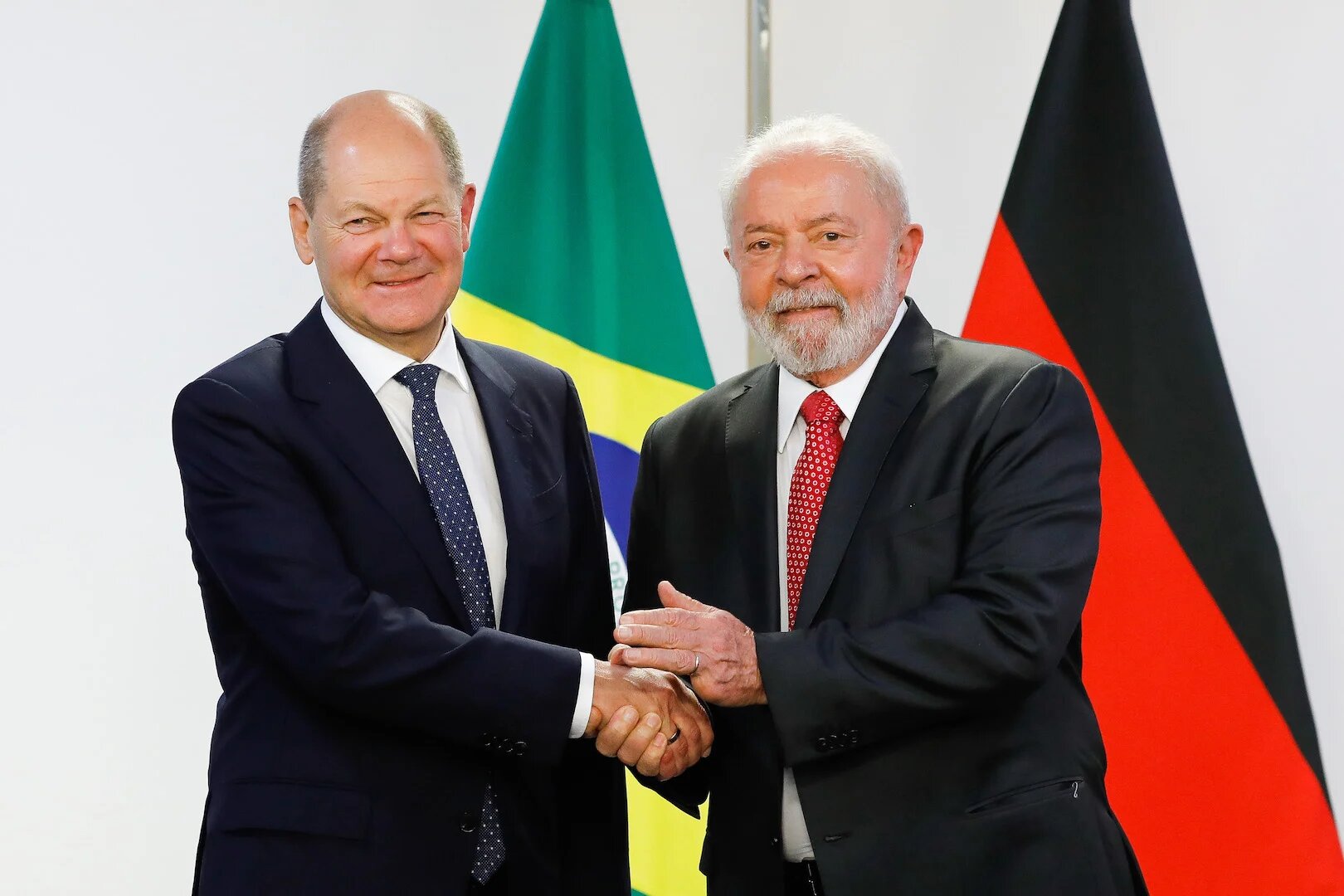

Brazil and Germany Are Strengthening Ties for Strong Investments in Projects Focused on the Decarbonization of the Energy Sector. President Lula Aims to Join Forces with the Country to Expand the Green Hydrogen Economy in Both Countries.
For this Friday, (03/01), Brazil and Germany are getting closer aiming for a cleaner future in the energy market. The current president Luiz Inácio Lula da Silva and German Federal Chancellor Olaf Scholz met this week to discuss future partnerships between the countries. The renewable energy sector was one of the topics presented by the representative of the Lula government, focusing on the high potential for expanding the green hydrogen economy in both countries.
Germany Sees High Partnership Potential in Brazil for Investments in the Green Hydrogen Economy Over the Next Few Years
Even with only a few weeks in office, the new Lula government has been working to strengthen ties with the international energy market, focusing on renewable projects.
In a recent meeting, President Luiz Inácio Lula da Silva and German Federal Chancellor Olaf Scholz discussed the future of both countries regarding the energy economy.
-
Brazil saved US$ 32.4 billion in 2025 by switching from fossil to renewable energy and only ranked behind China and the United States on the IRENA global podium.

-
Fired during apartheid and with a little borrowed money, an electrician started with a borrowed truck and transformed electrical services into a group connected to energy, real estate, and infrastructure in South Africa.

-
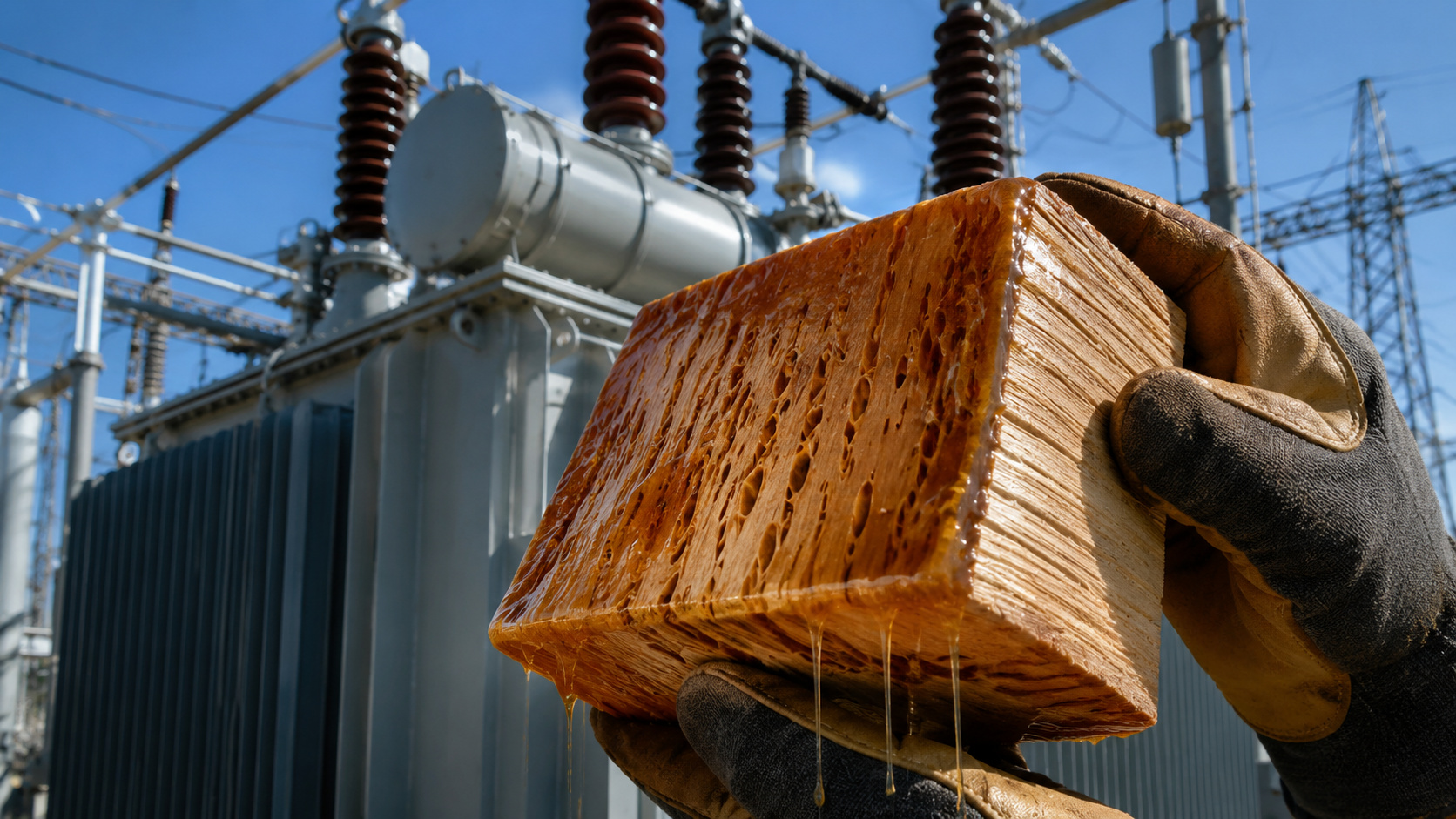
Wood has ceased to be just a construction material in Yale research and has become insulation for electrical transformers that face intense heat, aging, and increasing pressure from the renewable energy-powered grid.
-
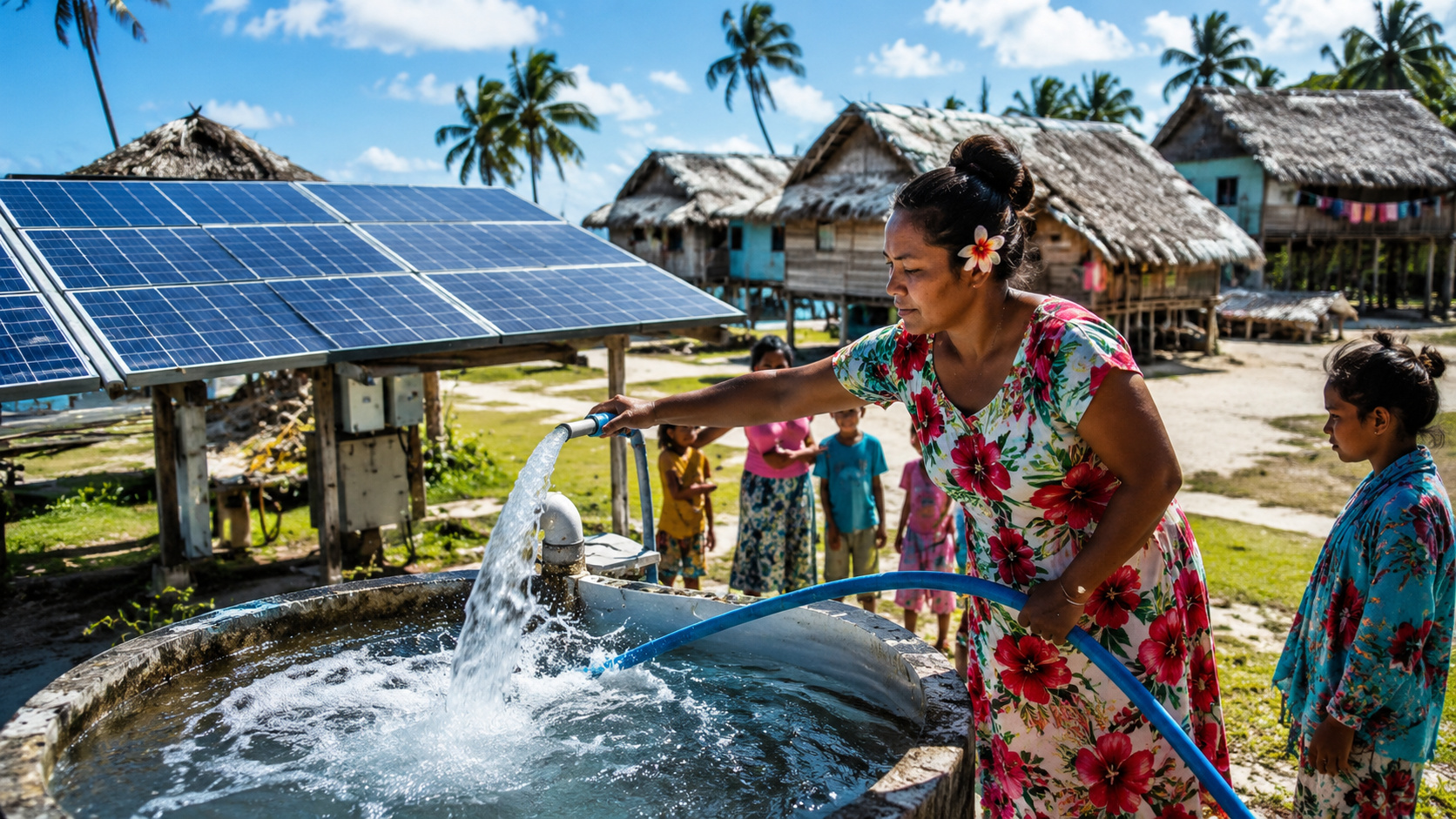
More than 1,000 residents of a remote island in Kiribati now have clean water and electricity with solar systems operated by the community itself.

The main focus of the debate was on the protection of the Amazon, renewable energies, and the EU-Mercosur trade agreement.
However, Scholz also drew attention to the high potential for leveraging the so-called green hydrogen economy in the national territory.
This fuel is produced from renewable energies, which is emerging as the primary bet of developed economies to decarbonize CO2-intensive sectors, such as agriculture, transportation, industry, and energy generation.
Brazil has a high potential for green hydrogen production, and the current Lula government aims to capitalize on these figures in the coming years.
“You [Brazil] have a lot of experience with renewable energies and enormous potentials also through the production and exportation of green hydrogen and its respective products,” stated the head of the German government.
Amidst climate and geopolitical conflicts in Europe, the country is seeking to shift towards a transition in the energy market, focusing on renewables.
Thus, the green hydrogen economy, with the support of the Lula government, is a viable alternative for the decarbonization of the sector in the coming years.
Lula Government Prepares for Possible Future Hydrogen Export Agreements with Germany
Germany is focused on incorporating green hydrogen into its energy economy throughout 2023.
The first auction of the H2Global policy is scheduled for February 7, which provides incentives for importing the fuel, identified as a strategic substitute for oil, gas, and coal for obtaining clean energy.
This first tender will target energy projects centered around green ammonia, a product derived from green hydrogen.
On the 21st, a new round is expected to be held for the contracting of sustainable aviation fuel and methanol, also derived from renewable fuel.
Thus, while preparing for an energy transition, Germany is negotiating with the Lula government for a possible partnership with Brazil.
The country could become a strong exporter of the fuel in the coming years, contributing to a sustainable economy in the European country.
“By being exposed to the crucial issue of energy security and having launched the first tender for the purchase of green hydrogen inputs in ten-year contracts, Germany has a leadership position,” says Nivalde de Castro, a professor at the Institute of Economics at the Federal University of Rio de Janeiro (UFRJ).
Thus, it remains to wait for the next steps from Germany alongside the Lula government for potential green hydrogen economy projects in the energy market.