





 Portuguese
  English
  Spanish
  3 min of reading
  0 comments


Innovation in Biofuels: The Key to Sustainable Progress
In the current energy landscape, the importance of biofuels as a sustainable alternative is increasingly prominent. Brazil, with 40 years of experience in the production and use of biofuels, exemplifies the potential of this energy source. In 2022, according to the National Energy Balance, biomass (including sugarcane, firewood, and lye, among others) accounted for 31.4% of Brazil’s internal energy supply. This growth not only stimulates the economy through job creation and income generation but also significantly contributes to the reduction of greenhouse gas emissions, especially in the road transport sector.
The Need for Specific Public Policies
Despite the relevance and expansive potential of biofuels in the national energy matrix, they face challenges, including the lack of specific public policies for their development. It is crucial to replicate successful initiatives, such as the policies implemented to stimulate the production of ethanol and biodiesel during the oil crisis in the 1970s, exemplified by PróÁlcool. These specific public policies can further enhance the sector.
International Recognition on the Rise
In the global market, the value of biofuels is on the rise. In the European Union, for example, the consumption of pellets has significantly increased, reflecting the growing demand and commercial export potential of biomass fuels. This scenario highlights the strategic importance of biofuels in the international context.
-
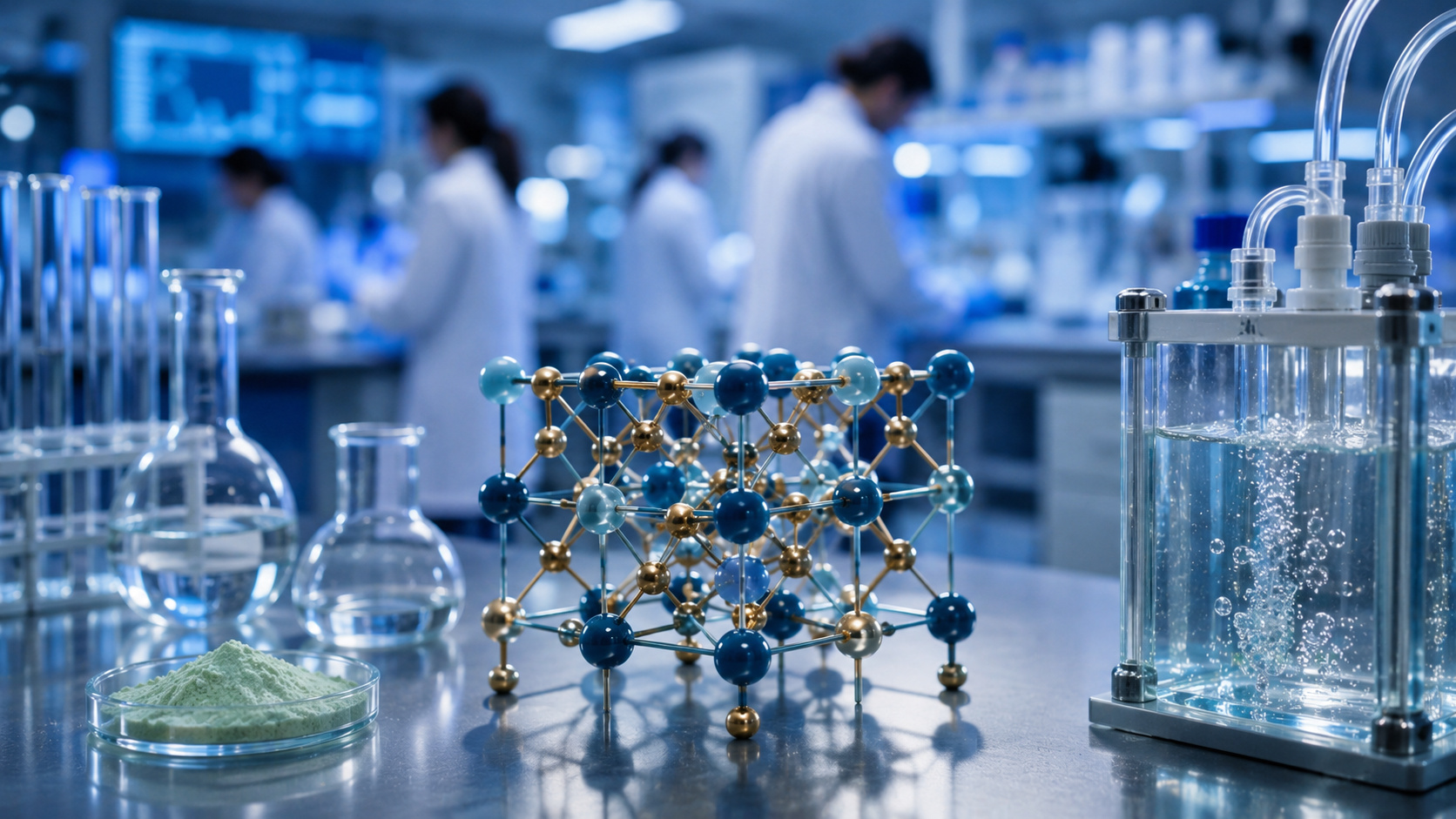
Scientists develop a low-cost alternative to generate green hydrogen on a large scale using an innovative chemical process; discovery could revolutionize energy infrastructure, heavy industry, and sustainable transportation systems around the world.

-
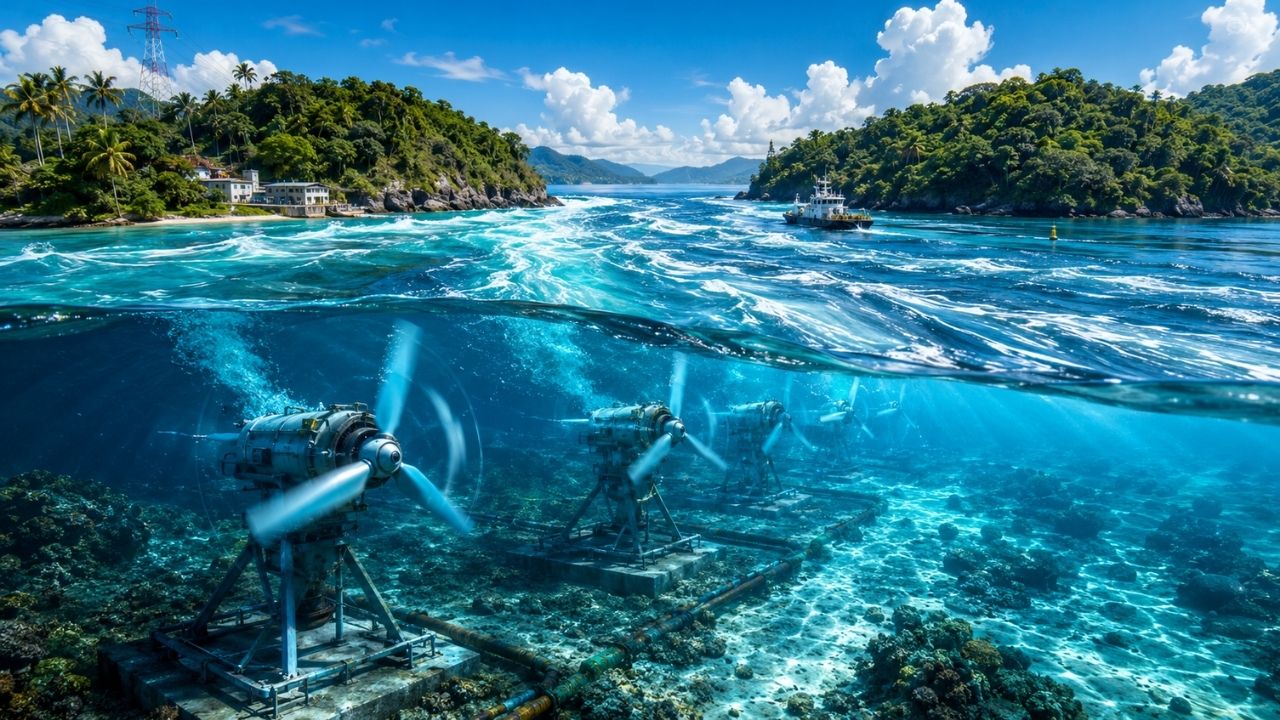
Forget common renewable energy: HydroWing prepares a 10 MW project in Indonesia to transform ocean currents into predictable electricity, using turbines installed on the seabed in a region where the funnel effect between islands increases tidal potential.

-
The world could operate on clean electricity by 2050, but a study indicates that this would require up to 20 TW of renewable energy, more than 9 million hectares for solar, and strong cooperation between countries.
-
Giant arrives in Brazil with R$ 7.5 billion on the table to build a R$ 15 billion mega refinery and produce 1 billion liters per year



The Initiative of the Global Biofuels Alliance
The launch of the Global Biofuels Alliance during the G20 meeting in 2023 marks a historic moment. This initiative, which brings together 19 countries, including the three largest biofuel producers (Brazil, the United States, and India), and 12 international organizations, aims to promote the sustainable production and use of biofuels worldwide. Among the proposed measures are the adoption of a 20% ethanol blend in gasoline, the manufacture of flex-fuel vehicles, and the development of second-generation biofuels. This movement represents an unprecedented cooperation among countries, encompassing government, academic, technological, and business spheres, and promotes the recovery of productivity in already degraded areas.
The Role of Biofuels in Reducing Emissions
Biofuels are crucial elements in the strategy to reduce greenhouse gas emissions in Brazil. In addition to focusing on carbon capture and storage technologies, it is essential to consider biofuels as an integral part of the solution for a more sustainable future. The creation of the Global Alliance strengthens the sector and creates a conducive environment for the establishment of new public policies and specific regulations for each type of biofuel.
The Future of Biofuels
The Global Biofuels Alliance opens doors for a future where biofuels not only play a vital role in the energy matrix but also in combating climate change. International collaboration is essential to meet the growing global demand and to expand the number of suppliers. This joint effort promises not only environmental benefits but also economic opportunities on a global scale.
Marcela Rodrigues and Isabela Morbach are professionals dedicated to promoting and advancing biofuels and sustainability. Together, they emphasize the importance of innovation and global cooperation for the development of the biofuels sector.
Source: Tree Comunicação – Marcela Rodrigues and Isabela Morbach.




Be the first to react!