Portuguese
  Spanish


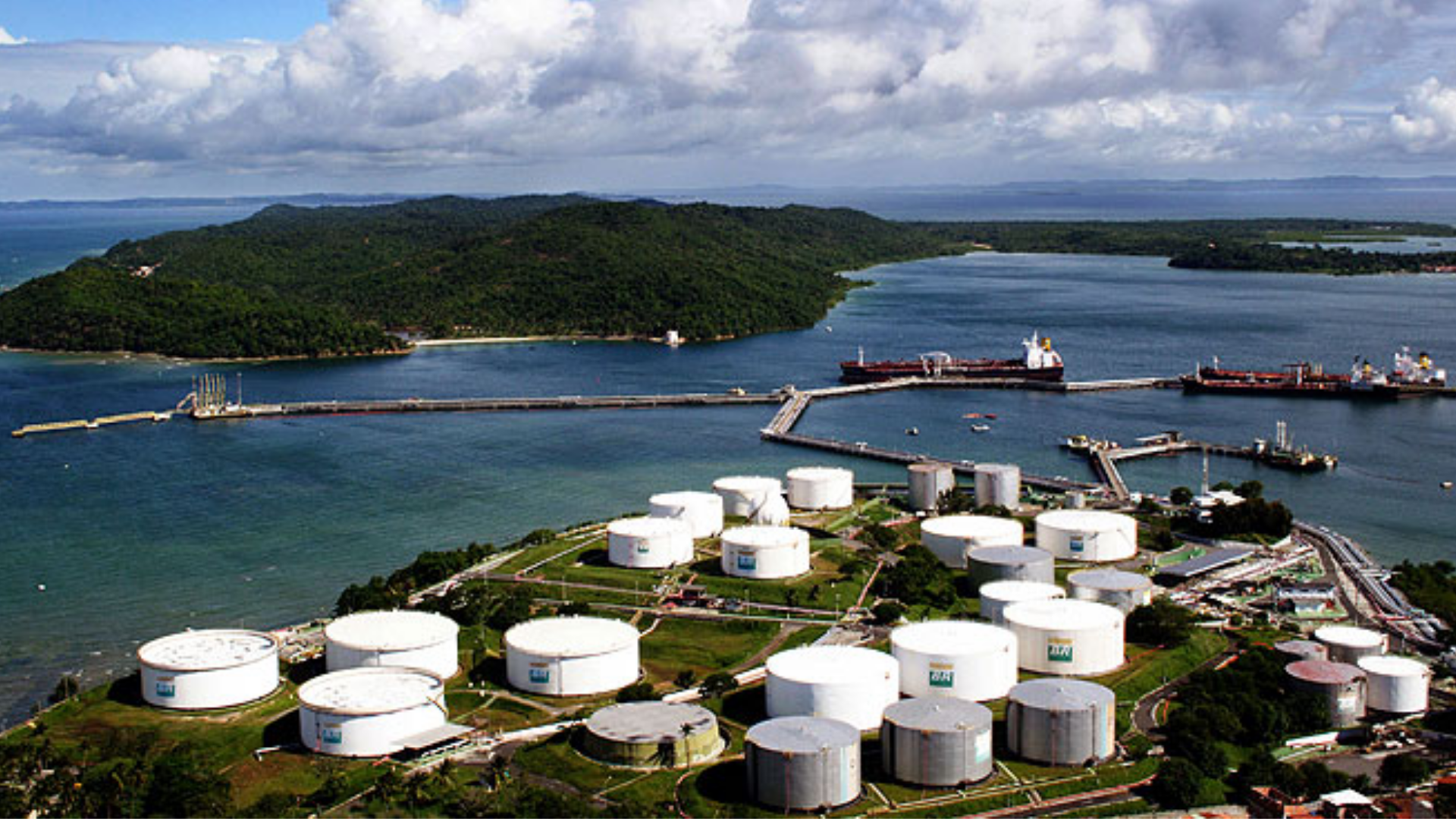

According to the President’s Announcement, Opportunities in Shipbuilding in Shipyards Can Be an Excellent Source of Mass Employment in Brazil, Especially Now with the Growth of the Transpetro Fleet
President Luiz Inácio Lula da Silva stated during an event that the expansion of the Transpetro fleet could boost shipbuilding in local shipyards, generating jobs and driving the national economy. The statement was made during the balance of the 100 days in office, in Brasília, and demonstrates the government’s commitment to strengthening the shipbuilding industry in Brazilian shipyards, especially now with the Transpetro fleet.
Petrobras and Research on Renewable Fuels
Lula also announced that Petrobras will support research on new renewable fuels, aiming to make the country a “global powerhouse” of green hydrogen in shipyards and the shipbuilding industry, just like Transpetro. During previous administrations, the state-owned company invested in research, innovation, and shipbuilding in shipyards, which contributed to the growth of the naval industry and the development of the economy in municipalities where the shipyards are located.
Challenges of Transpetro and the Naval Sector in Brazilian Shipbuilding
Transpetro and the sector have faced challenges in shipbuilding in Brazil in shipyards for nearly 10 years, with a scarcity of projects and job losses. The market has already lost more than 60,000 jobs since the crisis began in 2014. The resumption of Transpetro in the naval industry is essential for the country’s development, not only for generating direct and indirect jobs but also for qualifying the workforce in the oil and gas production chain.
-
21-Year-Old Moves Back to Parents’ Home in Arizona, Finds New Private Apartment in Converted Garage as Families Tackle U.S. Housing Pressures

-
Innovative Container Studio in Brazilian Beach Town Thrives with High Demand and Plans for Expansion
-
30-Square-Meter Container Home with 2 Bedrooms, Living Room, Kitchen, and Bathroom Sold for $12,000 in Brazil, Tour Reveals Project Details

-
Brazilian Couple Builds Eco-Friendly Brick House, Saves 41%, and Shares Simple Test to Check Soil Suitability



Resumption of Shipbuilding in Brazil
The expansion of the Transpetro fleet and the government’s interest in discussing alternatives to revive the naval industry in Brazil are positive signs for the sector. Shipyards need to be prepared to meet market demands, including the construction of new support vessels and energy generation projects at sea. Additionally, policies that expand local content indexes and review rules of the cabotage program may also contribute to the revival of the naval industry in the country, according to the government.
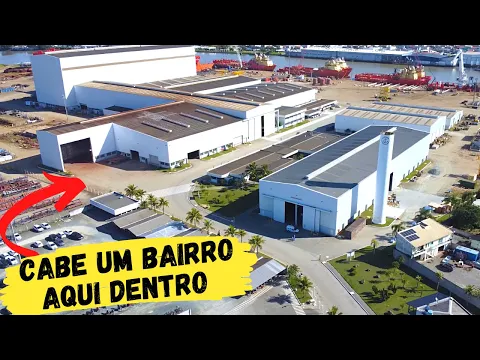
DISCOVER ONE OF THE LARGEST SHIPYARDS IN BRAZIL!