Portuguese
  Spanish


The Star Trek actress behind the achievement was Nichelle Nichols, Lieutenant Uhura, who in 1977 led a NASA recruitment campaign. A recent study goes further and suggests that watching science fiction predicts greater support for space exploration, although it warns that this is a correlation, not proven causation.
The Star Trek actress behind this achievement has a name: Nichelle Nichols, the unforgettable Lieutenant Uhura from the original series. In 1977, she led a NASA astronaut recruitment campaign that lasted only four months and would change the agency’s history. The target was women and minority members, groups almost absent from the astronaut corps until then.
The result was immediate and significant. Applications jumped from about 1,600 to 8,400, and the group of astronauts selected shortly after included the first American woman and the first African American to go into space. This is the most documented case behind the idea that science fiction helps sustain the appetite for space exploration.
From Uhura to NASA, who was the Star Trek actress who changed the game
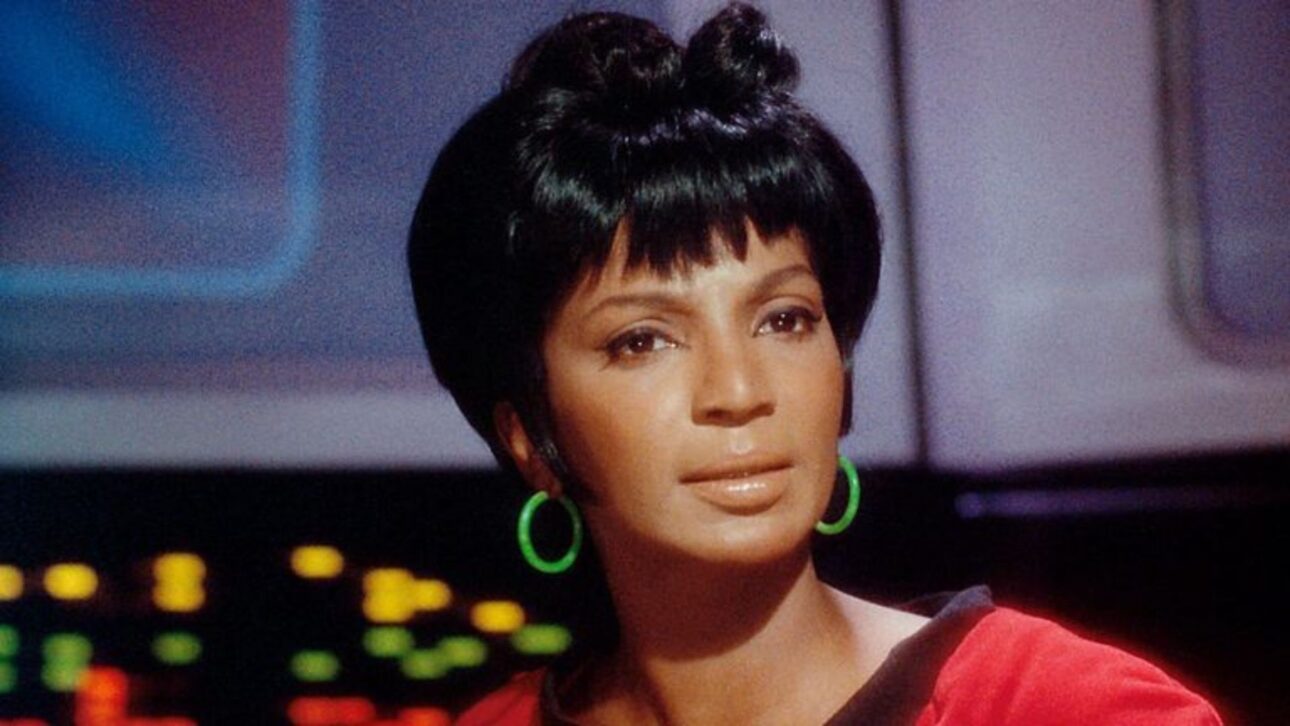
Created by Gene Roddenberry, Uhura was the communications officer of the Enterprise ship and one of the first black women in a prominent, non-stereotypical role on American television.
-
Brazilian Scientist Wins $100,000 for Decoding Bird Songs That Convey Identity and Social Information

-
Brazilian National Team Traveled by Ship to First World Cup, Boarding Conte Verde to Reach Uruguay

-
Ancient Burial Site Uncovered in Brazil: 11,000-Year-Old Artifacts Found Beneath 300-Ton Rock
-
18-Year-Old Student Designs Modular Microhouse from Fiberglass and PET to Combat Homelessness in Brazil, Plans to Live in Prototype for a Year to Demonstrate Quick Assembly





In 1968, Nichols starred with William Shatner in one of the first kisses between a black person and a white person on U.S. network television.
The weight of this role was almost lost early on.
After the first season, Nichols considered leaving the series to return to Broadway, but was dissuaded by Martin Luther King Jr., who, according to the actress’s own accounts, reminded her that she held an unprecedented role and was changing the way black people saw themselves on screen.
She stayed, and the character became a symbol far beyond entertainment, which gave the Star Trek actress authority when she began advocating for diversity in science.
The four-month campaign that multiplied the candidates
In 1975, Nichols founded the consulting company Woman in Motion and began collaborating with NASA.
In 1977, the agency invited her to lead an astronaut recruitment campaign for the new space shuttle program, aimed especially at women and minorities.
The Star Trek actress starred in an institutional film and traveled across the country calling for qualified candidates.
The turning point numbers are recorded in Nichols’ autobiography, Beyond Uhura, from 1994.
According to her, in the months prior, NASA had about 1,600 applications, with less than 100 from women and 35 from minorities.
By the end of the four-month campaign, in June 1977, there were 8,400 applications, including 1,649 from women, a fifteenfold increase, and about a thousand from minority groups.
Before that, in a speech, she had challenged NASA to come down from its ivory tower, reminding them that the next genius could have a black face and be a woman.
The astronauts who came from this turning point
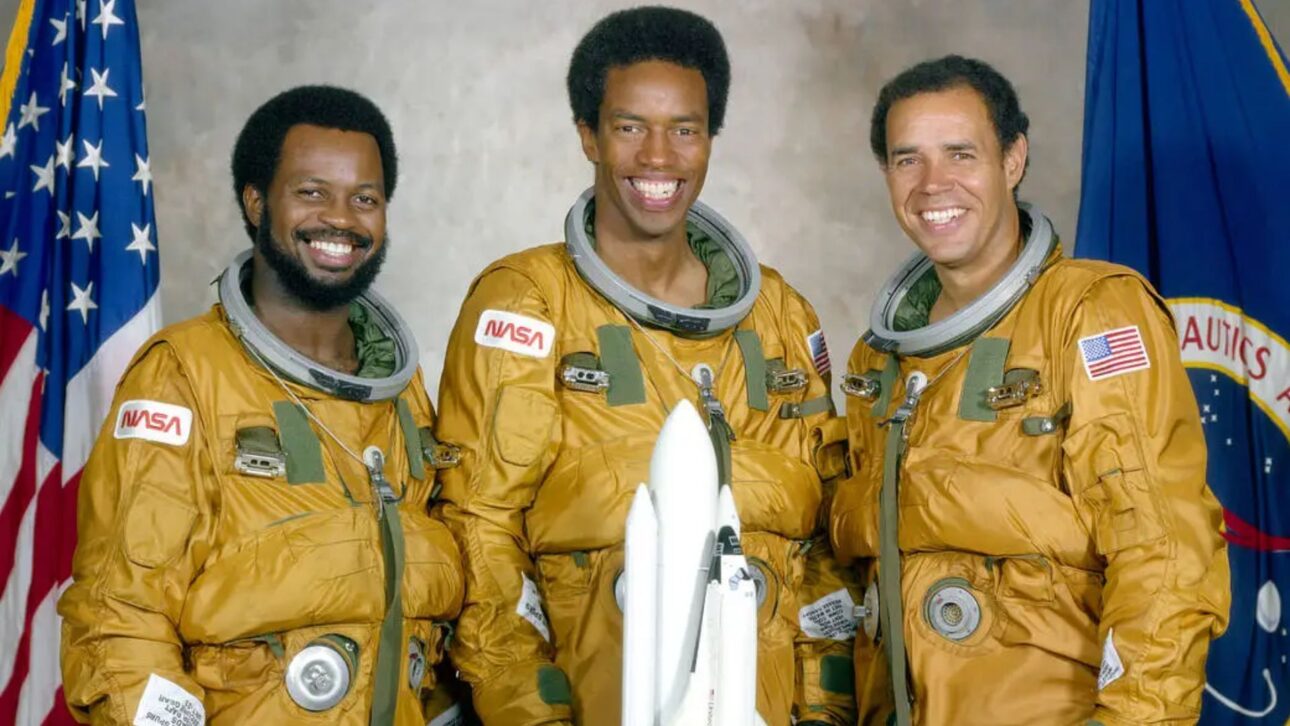
Among the 35 names were six women, three African-Americans, and one Asian-American.
From this group came Sally Ride, the first American woman in space, and Guion Bluford, the first African-American in space, as well as Judith Resnik and Ronald McNair, who would die in the Challenger space shuttle accident in 1986.
Another inspired by the Star Trek actress would come later.
Mae Jemison, who in 1992 became the first black woman in space, was selected in 1987 and openly credited Nichols’ campaign and the character Uhura as influences on her career. Years later, she herself would appear in Star Trek: The Next Generation.
NASA recognized Nichols’ work with its Public Service Award in 1984, and the actress continued collaborating with the agency until 2015. Nichelle Nichols died in July 2022, at the age of 89.
What science says about fiction and space exploration
The case of Nichols is often cited as the most concrete example of a broader relationship between pop culture and support for space exploration.
A study published in the scientific journal Space Policy in 2022 analyzed three national surveys in the United States from 2016, 2020, and 2021, and concluded that watching science fiction predicts greater support for space exploration, both public and private.
For television news and social media, the results were weak or inconclusive.
The authors themselves, however, make a point of separating correlation from causation.
The study shows that those who consume science fiction tend to support space exploration more, but it does not prove that one causes the other.
Regarding the specific effect of Uhura, the character played by the Star Trek actress, a 2013 study by academic Moira O’Keeffe argued that she served as a rare and powerful representation, capable of shaping career aspirations in science and technology among women and minorities.
More recent series, such as The Expanse, Star Trek: Discovery, For All Mankind, and Foundation, keep this conversation between fiction and real exploration alive.
The trajectory of Nichelle Nichols shows that entertainment and science do not always run on separate tracks.
An actress from Star Trek helped open NASA’s doors to women and minorities, and the effect of this spanned decades, from Sally Ride to Mae Jemison.
In Nichols’ own words, the campaign changed the face of the astronaut corps forever.
And you, did you imagine that a science fiction character had such a concrete role in the history of space exploration? Do you believe that series and movies still inspire vocations in science and technology today? Leave your opinion in the comments, with respect for different opinions, and share this article with those who love science, space, and good stories.