Portuguese
  Spanish


The world’s largest electric car manufacturer claims to be the target of coordinated attacks and has already obtained the first convictions in the Chinese courts. The accused, however, are still facing legal proceedings, and one of them, with low income, says he cannot pay the fines imposed.
BYD, the world’s largest manufacturer of electrified vehicles, has intensified a legal offensive against content creators who, according to the company, spread false information about its products. In a statement released in June 2025 by its legal department, the Chinese automaker reported that it is suing 37 influencer accounts and keeping another 126 under internal monitoring, accusing them of spreading rumors about alleged vehicle explosions and supposed financial instability of the company.
The dispute gained a new chapter in May 2026, when the Chinese courts handed down the most significant conviction so far against one of these creators. BYD describes the publications as part of attacks it classifies as organized and coordinated, allegedly orchestrated by unidentified media outlets and public relations agencies. It is important to emphasize that this characterization is the version presented by the company itself, and that most of the 37 accused are still facing legal proceedings, with no final decision.
What the automaker claims and what has been decided
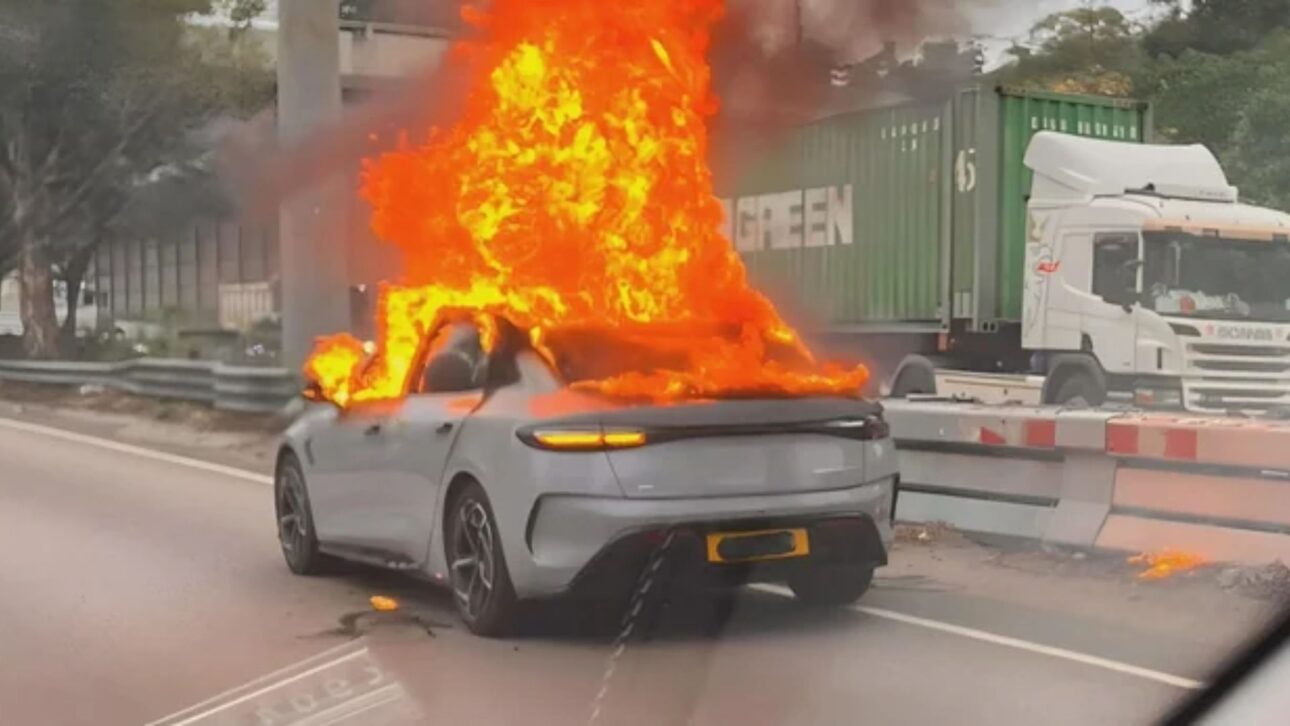
The BYD statement was signed by Li Yunfei, general manager of the company’s Brand and Public Relations Department, who adopted a firm tone.
-
Rio de Janeiro Buses Stop Accepting Cash: How to Pay and Maintain Fare Integration

-
Toll Fees in São Paulo’s Countryside Drop by Up to 50% Starting Today

-
Petrobras Invests $2.3 Billion in Brazilian Coastal Shipyards, Creating Over 5,000 Jobs and Revitalizing the Naval Industry

-
$2.5 Billion Amazon Potash Mine Aims to Reduce Brazil’s 95% Import Dependency


According to him, the company welcomes journalistic criticism and public scrutiny, but does not tolerate defamatory content or false accusations.
Li also stated that all posts and comments considered relevant are being preserved as judicial evidence, and that legal actions will continue.
So far, only a few cases have reached a verdict, and it is at this point that the distinction between accusation and conviction becomes essential.
In one of the cases already judged, a user of the social network Weibo was convicted of defamation after accusing BYD of manipulating influencers to attack competitors, being required to publish an apology and pay 100,000 yuan, about 75,000 reais in approximate conversion.
Other profiles were penalized for false claims about product safety, financial health, and vehicle explosions, according to a survey by the specialized site Cars News China.
The Case That Became a Landmark and the Million-Dollar Fines
The highest penalty was imposed on the author of the channel known as Long Ge, focused on content about electric cars.
In a decision reported in May 2026, he was ordered to make a public apology and pay 2 million yuan to BYD, equivalent to about 1.5 million reais or approximately 293,000 euros in approximate conversion.
The case has come to be regarded as a landmark due to the size of the compensation imposed on a single content creator.
The escalation of fines has created a chain reaction among the prosecuted influencers, some of whom have no financial means to cover the amounts.
On June 4, creator Qian Zuping, who maintained accounts on the Douyin and Bilibili platforms, was forced to publish an apology for videos released in 2023 and 2024, and had his content deleted and his accounts closed.
He claimed he could not pay the amounts demanded, explaining that his monthly income, around 250 euros, about 1,477 reais, is insufficient in the face of the penalties.
Other channels mentioned in the reports face charges exceeding 260,000 euros, approximately 1.5 million reais each, according to industry sources.
A Reward Program and the Influence of Influencers in China
To support the offensive, BYD maintains a program that offers financial rewards to those who provide verifiable reports of alleged defamatory campaigns.
According to the company’s statement, the amounts range from 50,000 to 5 million yuan, something between about 37,000 and 3.7 million reais in approximate conversion, depending on the relevance of the information.
The initiative is conducted by an internal structure that the automaker created to address what it calls news frauds.
The Chinese context helps to understand the intensity of this dispute over brand reputation.
In China, the specialized automotive press has reduced weight, and much of the public gets information through influencer profiles and channels on social networks.
This centrality of content creators amplifies both the reach of legitimate criticism and the impact of false information, which explains the pressure and attention these profiles are subjected to in the country.
An image war that goes beyond BYD

Xiaomi, which recently entered the automobile market, has also taken legal action against what it considers a defamatory campaign.
According to the company, the articulation has been active since December 2024 and has mobilized around 10,000 social media accounts to spread rumors and manipulate public debate, on the eve of the launch of one of its models.
In Xiaomi’s case, Chinese authorities have opened a criminal investigation to find out who is behind the alleged campaign.
As with BYD, it is an ongoing investigation, with no definitive conclusion about those responsible.
The parallel between the two companies highlights how the fierce competition in China’s electric vehicle sector has gone beyond showrooms and reached the courts and social media.
BYD’s judicial crusade against influencers exposes a delicate tension between combating misinformation and the risk of stifling legitimate criticism of products and companies.
On one hand, the automaker defends the right to protect its reputation against what it classifies as coordinated and deceitful attacks.
On the other hand, doubts arise about the intimidating effect of million-dollar fines imposed on content creators, especially those of lower income, in a country where independent press oversight is limited.
The lawsuits are ongoing, and new decisions are expected to define the contours of this clash.
And you, how do you see this dispute between BYD and the influencers? Share your thoughts on the boundary between false information and legitimate criticism of a brand, whether the fines seem proportional to you, and how this type of conflict could influence the electric car market, which is also growing in Brazil. The space is open for debate, with respect for different opinions.