Portuguese
  Spanish


Google system turns Android phones into small seismometers, identifies unusual vibrations, and can alert residents before the arrival of stronger seismic waves.
Some residents of Venezuela received earthquake alerts on their phones before the two strong tremors recorded on Wednesday, June 24, 2026.
The shocks hit the north of the country with magnitudes of 7.2 and 7.5. The interval between the two earthquakes was less than a minute.
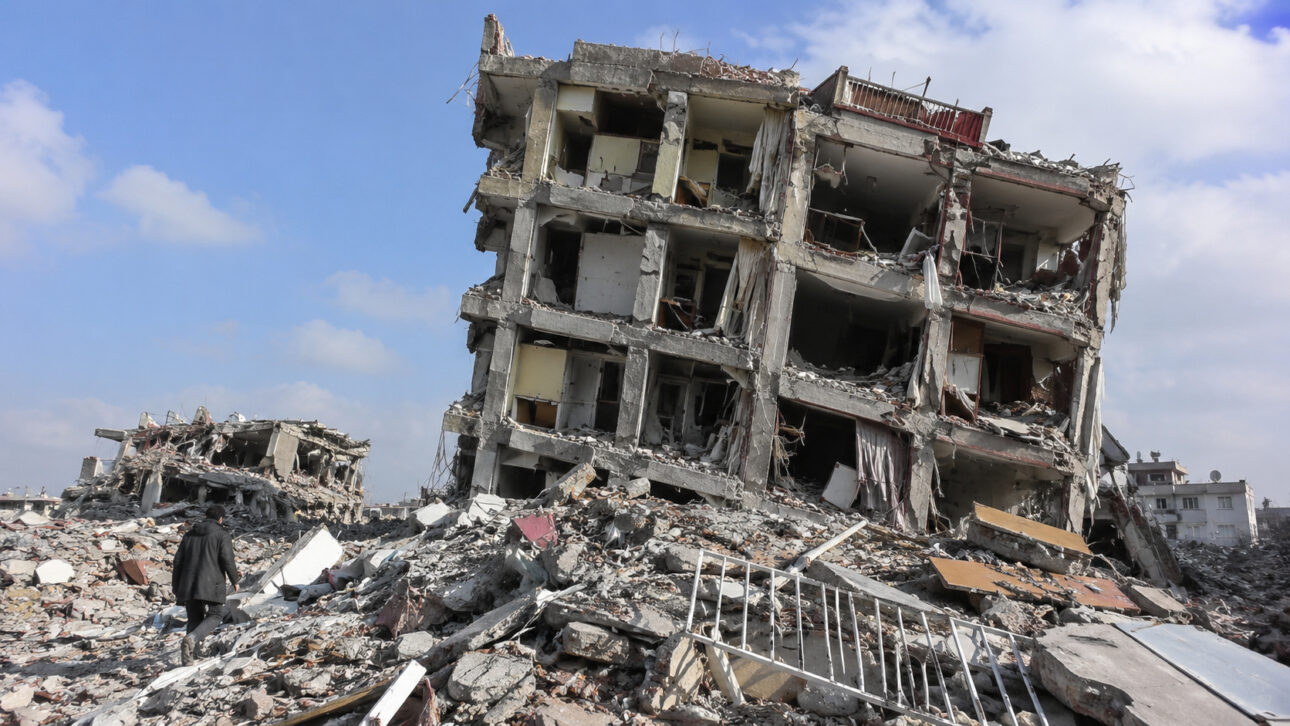
The report released later indicated more than 180 dead and approximately 1,500 injured in the affected areas.
-
Scientists Warn WHO: Cat-Linked Parasite Infects One-Third of Global Population, Poses Risks to Vision, Pregnancy, and Neurological Health

-
NASA Rover Discovers Organic Carbon in Ancient River Region on Mars, Raising Hopes for Past Life

-
Solar Electric Stoves Reduce Firewood Use from 3.4 kg to 0.86 kg Daily in Rwandan Households

-
AI Study Reveals Cognitive Debt Concerns: Users Writing with Assistants Show Reduced Brain Connectivity, Highlighting Long-Term Risks of Easy Productivity



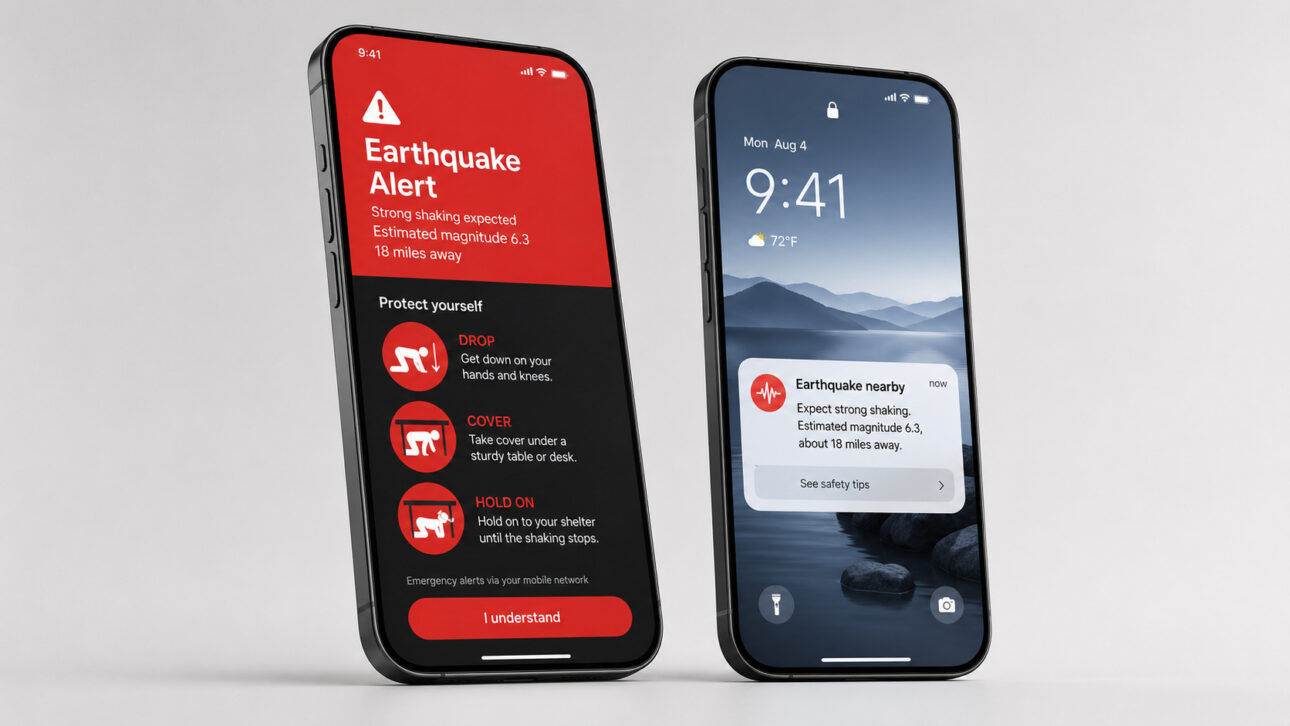
The notifications were sent by the Android Earthquake Alerts System, developed by Google to recognize seismic movements.
Alert arrived before residents felt the ground shake
Venezuelan Jessie Figueira told g1 that she received a notification approximately 30 seconds before feeling the tremor.
One of the warnings shared on social media initially indicated an earthquake of magnitude 6.2, located about 357 kilometers away.
The interval between the notification and the tremor, however, depends on the distance between the user and the earthquake’s origin point.
Residents close to the epicenter, for example, may receive the alert only a few seconds before the arrival of the seismic
waves.
How does Android manage to identify earthquakes?
The system uses the accelerometer present in smartphones, a sensor responsible for measuring vibrations, movements, and changes in the device’s acceleration.
This same component allows, for example, the phone screen to change position when the device is rotated.
Out-of-pattern vibrations may indicate the occurrence of an earthquake. At this moment, the data is sent to Google’s servers.
The approximate location of the device is also shared. The system then compares information received simultaneously from phones in the same region.
Several devices recording similar movements help Google confirm that a possible earthquake is underway.
Billions of phones function as small seismometers
According to Google, more than 2 billion Android smartphones can integrate this global earthquake detection network.
Each device functions, in practice, as a small seismometer connected to an extensive monitoring structure.
The mechanism has identified more than 18,000 earthquakes since 2021, according to information released by the company itself.
About 2,000 tremors had enough intensity to generate notifications. In total, approximately 790 million alerts were sent.

Which earthquakes can generate notifications?
Alerts are issued for earthquakes of magnitude 4.5 or higher, according to the criteria adopted by Google.
The analysis also considers the Modified Mercalli Intensity Scale, known by the acronym MMI.
This scale measures the effects perceived by the population and the possible damage caused by the tremors.
The levels range from 1, referring to tremors not felt, to 12, associated with events of widespread destruction.
Android offers attention and action alerts
The attention alert is sent for earthquakes with MMI intensities of 3 and 4. In these cases, mild or moderate tremors may be perceived.
The action alert, in turn, appears in earthquakes with MMI intensity of 5 or higher.
This second warning receives greater prominence on the screen and advises the user to seek protection immediately.
The lead time may be short, but every available second allows residents to understand the situation and seek a safer place.
Have you ever received an emergency alert on your phone? Do you believe this type of technology can help reduce risks? Share your opinion!