Portuguese
  Spanish


Organic carbon found on Mars by the Perseverance rover raises scientific debate about possible life on the planet, but study indicates origin may also be geological or abiotic.
The discovery of complex organic carbon in samples from Jezero Crater on Mars has reignited the debate about the possibility of life on the red planet. Despite the advancement of analyses conducted by the Perseverance rover, a study published on June 24, 2026, in Science Advances reinforces that these compounds may have a completely abiotic origin, resulting from geological processes or meteorite impacts, without necessarily indicating the presence of living organisms.
Possible non-biological explanations
According to Olhar Digital, among the most accepted hypotheses for the presence of these compounds are natural processes that do not involve life:
- continuous deposition of meteorites throughout the planet’s history
- internal geological reactions and natural mineral interactions on Mars
These mechanisms would be sufficient to explain the presence of organic carbon without the need for biological activity. One of the most relevant aspects of the study was the state of preservation of the samples collected in the Bright Angel region of Jezero Crater.
-
Solar Electric Stoves Reduce Firewood Use from 3.4 kg to 0.86 kg Daily in Rwandan Households

-
AI Study Reveals Cognitive Debt Concerns: Users Writing with Assistants Show Reduced Brain Connectivity, Highlighting Long-Term Risks of Easy Productivity

-
Brazilian Researchers Develop Low-Cost Sensors to Detect Avian Flu in Minutes, Enhancing Global Health Security

-
545 Intact Amphorae Found 370 Meters Deep in Turkey Reveal Ancient Byzantine Trade Routes Connecting the Aegean and Black Sea


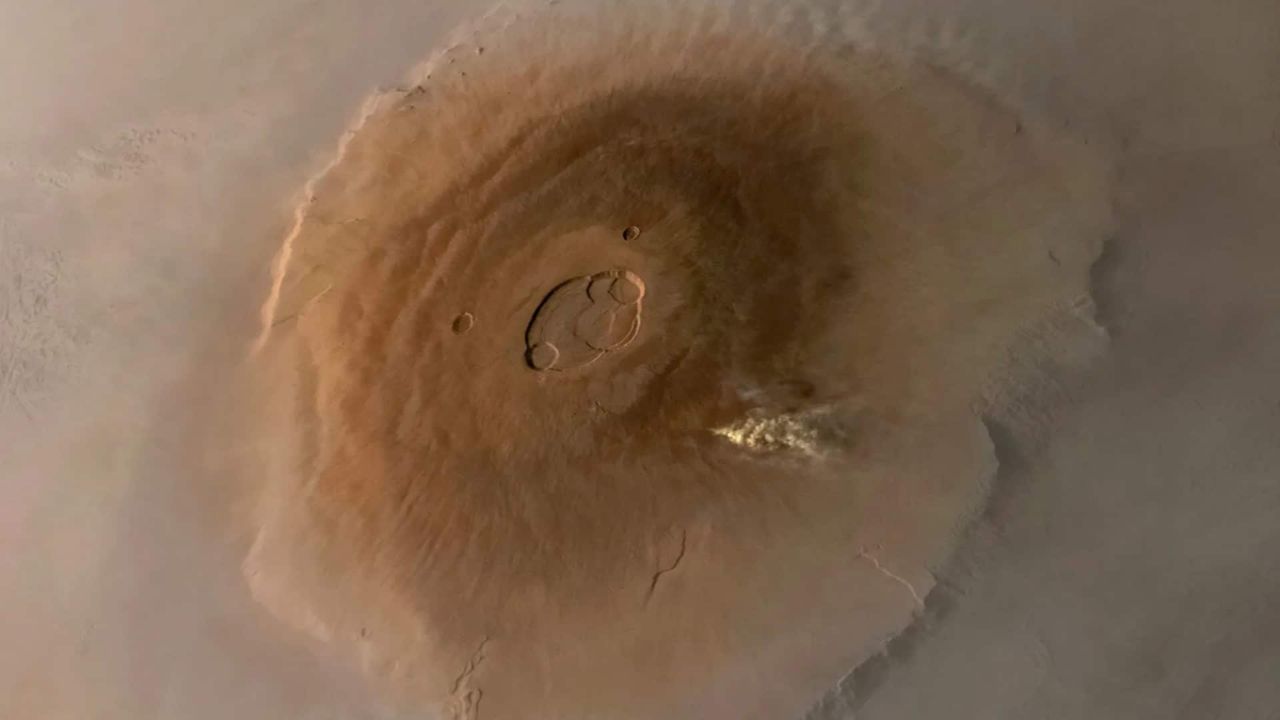
The shale formations, which are part of an ancient Martian river system, showed significant resistance to degradation caused by radiation and oxidation. This preservation allowed the SHERLOC instrument, equipped with high-precision lasers, to perform hundreds of chemical measurements on two distinct sedimentary rocks.
Bright Angel and the history of investigation
The Bright Angel region was already considered promising in the search for biosignatures on Mars.
One of the previous highlights is the rock known as Cheyava Falls, which features structures called “leopard spots,” interpreted as possible evidence of ancient geological or even biological processes.
Furthermore, some formations identified by Perseverance show similarities with patterns that, on Earth, may be associated with the activity of primitive microorganisms.
Chemical differences between the samples
Although the two rocks analyzed are in the same region, the data indicate significant differences in their internal composition.
The measurements taken by Perseverance showed variations in how carbon is associated with minerals:
- in the first rock, carbon appears mainly linked to silicates
- in the second, it is associated with minerals such as sulfates and carbonates
These differences suggest multiple formation processes, which may have both biological and purely geological origins.
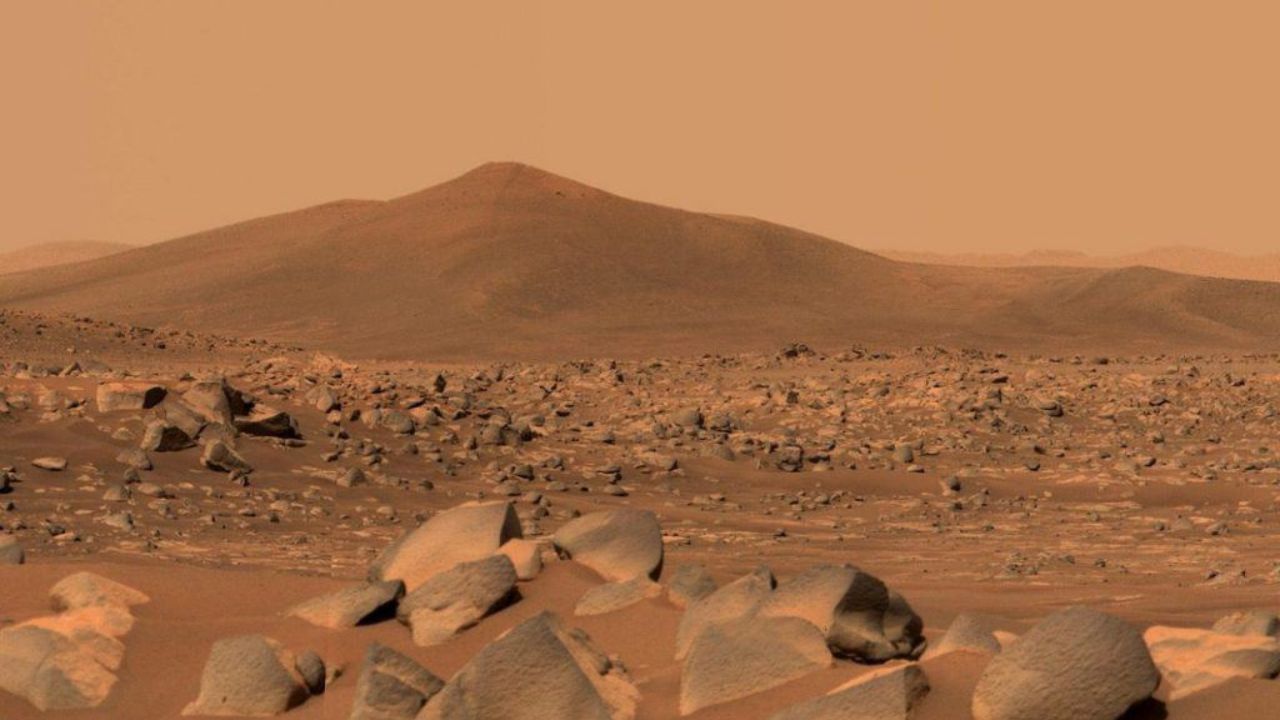
One of Mars’ greatest mysteries
Despite the promising chemical evidence, there is still no confirmation of ancient biological activity on Mars.
The data set reinforces that Jezero Crater remains one of the most important and intriguing sites in space exploration, precisely because it allows interpretations ranging from mineral processes to possible signs of ancient life.