






 Portuguese
  Spanish
 3 min of reading


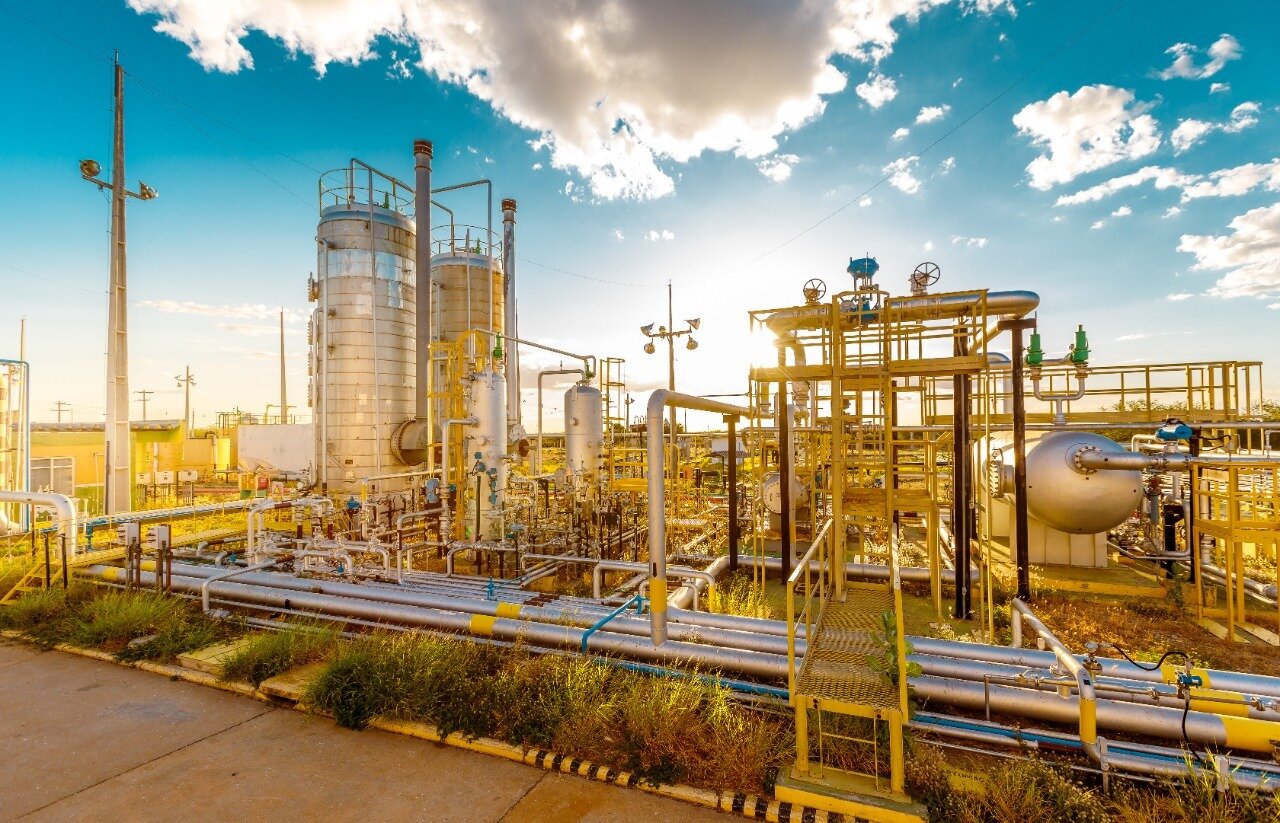
The Agency’s Decision Was Made to Avoid Operational Risks in Oil Production by the State-Owned Oil Company. Petrobras Argued the Importance of the Bahia Terra Polo in the Fuels Segment, but Failed to Get ANP Approval.
The state-owned Petrobras had its request to resume oil production in the Bahia Terra Polo denied by the National Agency of Petroleum, Natural Gas and Biofuels (ANP). Even with arguments regarding the importance of the asset for the national fuel market, the agency did not approve the resumption of operations. According to them, there may be currently unpredictable operational risks due to existing failures in the area.
Resumption of Oil and Fuel Production in the Bahia Terra Polo Was Denied by ANP. Petrobras Did Not Obtain Agency Approval for Operations
Petrobras’s request to ANP for the resumption of oil and other fuel production in the Bahia Terra Polo region was denied by the ANP collegiate.
The decision not to resume operations was unanimous within the agency, as the operational risks of returning to production remain significant in the current scenario, which could bring serious consequences to the asset.
-
Petrobras is expected to complete the drilling of the Morpho well in the Foz do Amazonas in August 2026, the first well in the Equatorial Margin, an oil frontier that the ANP estimates at more than 30 billion barrels and could redraw the map of Brazil.

-
Oil returns to the center of concerns with tension between the US and Iran

-
IEA reduces forecast for global oil demand in 2026 after impacts of the Middle East crisis

-
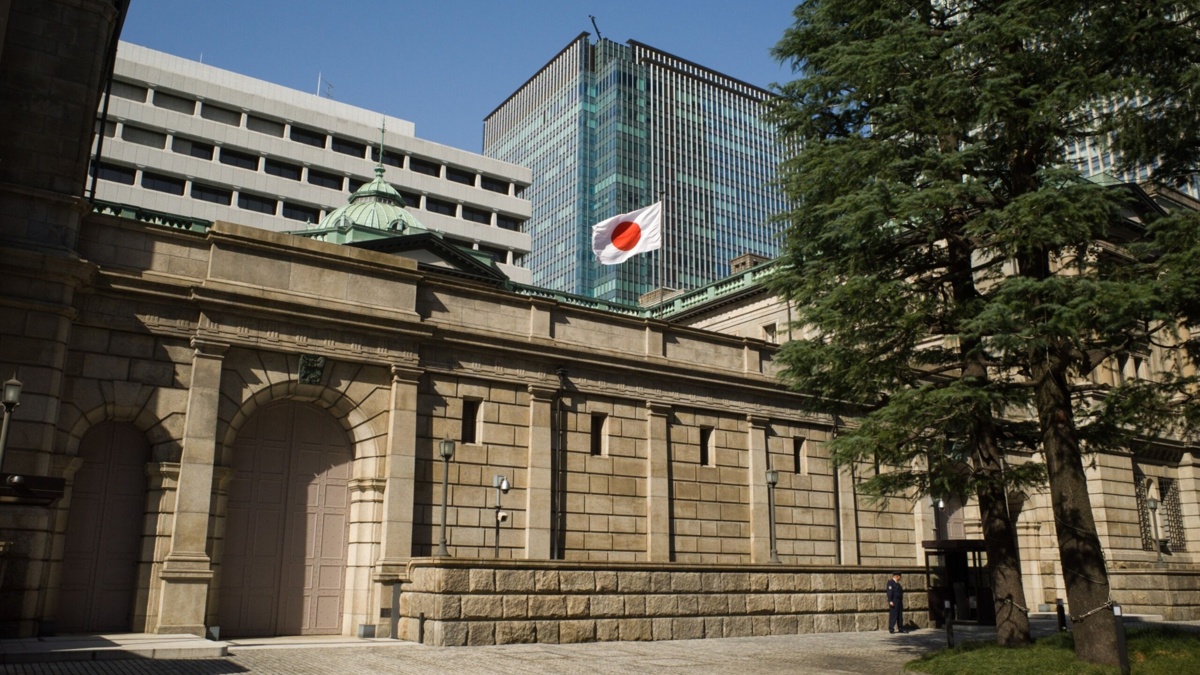
Bank of Japan raises interest rates to 1%, reaching the highest level in over three decades


Currently, the Polo is being negotiated by Petrobras with a consortium formed by Eneva and PetroReconcavo, as part of the divestment plan established by the previous government.
However, this is a move heavily criticized in the national fuel market, particularly by the Single Federation of Oil Workers (FUP), which has already called for the suspension of the sale but is awaiting a decision from the company’s management, still under the leadership of appointees from former President Jair Bolsonaro.
The ANP’s director-general, Rodolfo Saboia, is the rapporteur of the process against the state-owned company and, in addition to denying Petrobras’s request for the return of oil production in the Bahia Terra Polo, suggested the creation of a monitoring group for operations in the asset.
Thus, a gradual and safe resumption of fuel production in the state-owned asset would be monitored.
Petrobras Argues Importance of Bahia Terra Polo for the Fuel Sector, but Collegiate of ANP Does Not Accept the Request
During its request to resume production in the Bahia Terra Polo, Petrobras emphasized the asset’s relevance to the fuel sector to the ANP.
This is because the venture generates nearly R$ 200 million in royalties, in addition to creating jobs and income at the operation site.
Despite this relevance on a national scale, the operational risks present in the asset are still real and must be considered above any other characteristic of the polo.
Only during December 2022, ANP identified around 37 operational failures in the Bahia Terra Polo.
Thus, approving the resumption of oil and natural gas production would be an imprudent and reckless decision by the agency.
“The interdiction proved to be inevitable (at the time). The situation put people’s lives at risk. There was a lack of fire and gas sensors, a lack of firefighting measures, among other irregularities. In systemic terms, the company’s failure to manage or oversee the Polo was observed,” said Saboia.
Get to Know the Bahia Terra Polo
What is the Bahia Terra Polo? Bahia Terra is a polo 100% owned by Petrobras, located in the State of Bahia (as the name indicates). The Bahia Terra asset involves 28 onshore fields along with a complete downstream infrastructure.
It encompasses the production and extraction fields of Balsamo, Araças, Buracica, Imbé, Taquipe, Santiago, and the Parks of Recife, São Sebastião, and São Paulo, in addition to the Vandemir Ferreira Station.




Be the first to react!